If you've felt a little more tired lately, found yourself craving warmer food, or noticed your energy dipping earlier in the day, you're not imagining it. Your body is responding to the season, and fall is one of the bigger shifts it makes all year.
Here's what I actually pay attention to this time of year, and how I think about adjusting a daily routine as summer winds down.
The Vegetable Gap Is Real
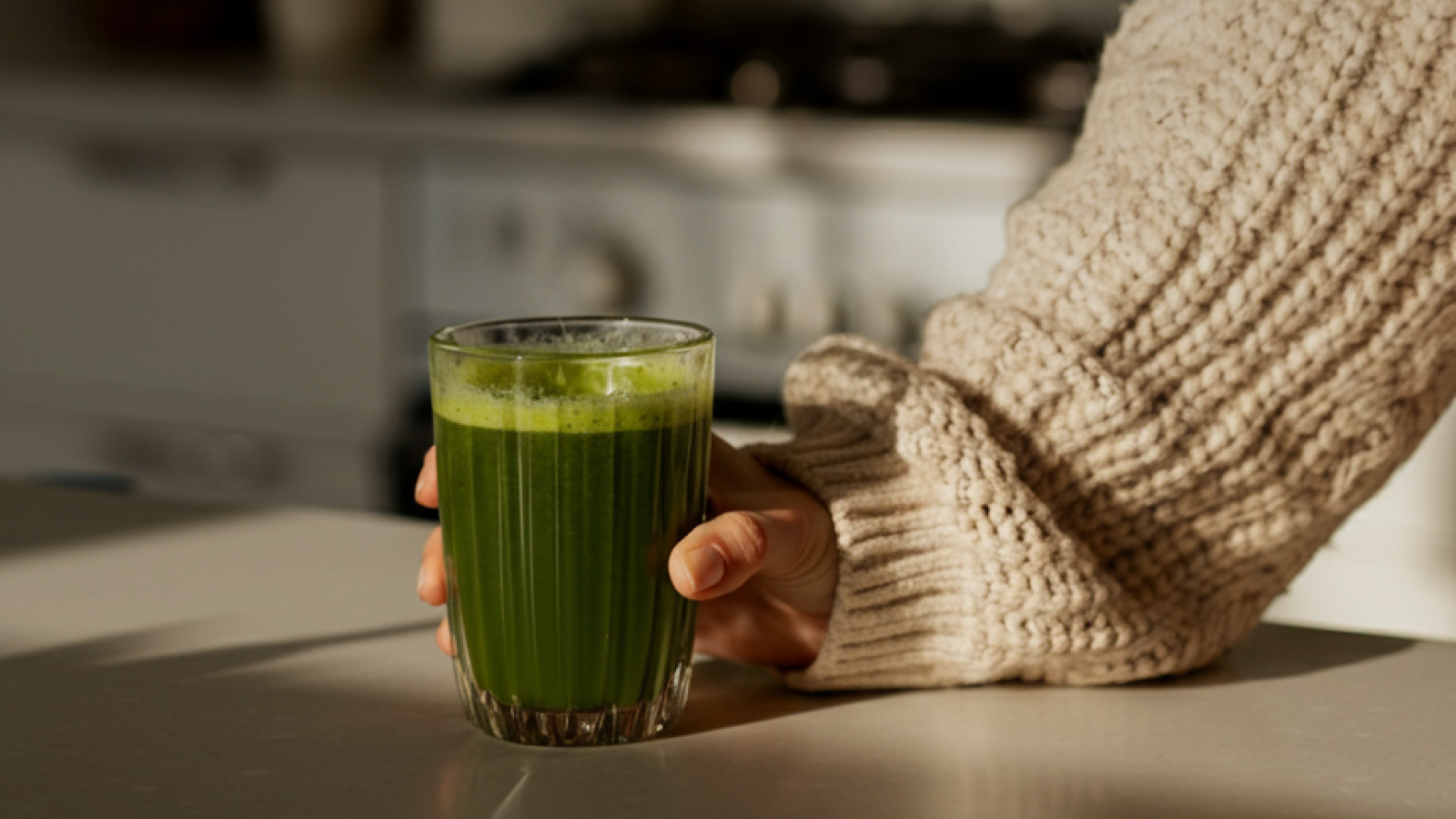
Summer makes fresh produce easy. Salads, smoothies, berries, and raw vegetables all fit naturally into warmer days without much thought. Come fall and winter, that changes. Heavier, warming foods take over, and many of us don't realize that our veggie intake has shrunk. For some people, this means getting fewer vitamins and micronutrients.
I call this the vegetable gap, and it's one of the most underappreciated reasons to be intentional about your morning routine going into the colder months.
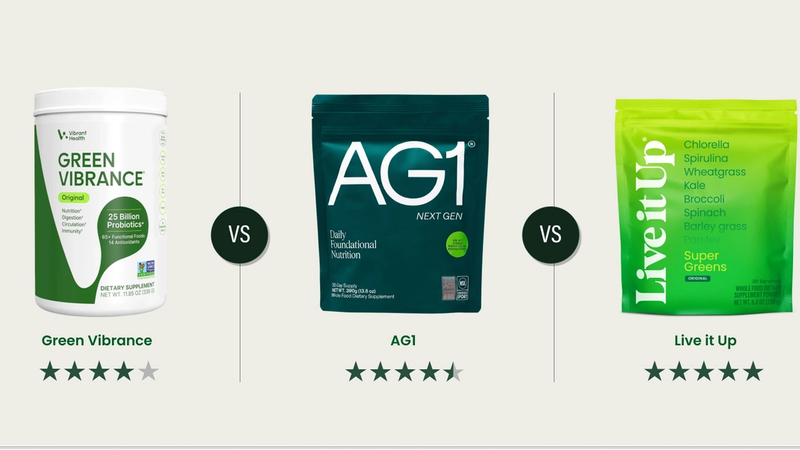
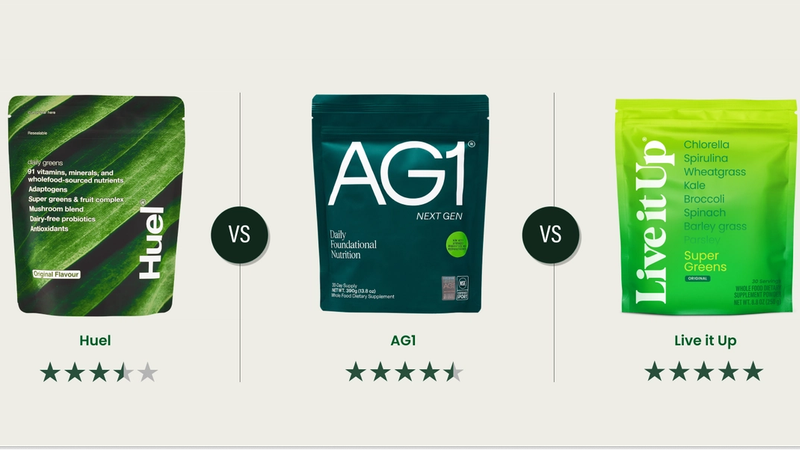
This is also why I think a daily greens powder habit matters more in the fall, not less. When fresh produce naturally drops off, Live it Up Super Greens helps fill a veggie gap that's often hard to accomplish from diet alone. This supplement offers 16 organic superfoods and three cups of vegetables in one scoop, and in fall and winter, that may help you hold the foundation of a healthy diet together.
Hydration Gets Sneaky in Cold Weather

Here's something most people don't think about: you get less thirsty in cold weather. Your thirst response is actually suppressed when temperatures drop, which means you can be meaningfully low on fluids without feeling it.
Electrolytes matter here too. Not just plain water, but the minerals your body needs to actually absorb and use what you're drinking. In Live it Up Vital Minerals, coconut water, sea salt, potassium, and calcium are the building blocks of real hydration, and they don't become less important just because it's cold outside.
My advice: keep your electrolyte habit going through fall and winter even when you don't feel thirsty. Your body still needs it, but it's not reminding you as loudly.


Did You Know?

When we breathe in, our body humidifies the air to help protect the delicate tissues in our lungs. When we expel this warm, humidified air in cold, dry weather, we lose this precious hydration to the environment. This is what scientists call “insensible water loss,” because we can’t tell it’s happening. It’s also why we often have to work harder to stay hydrated in dry climates.
Energy Without the Crash
Shorter days mean less natural light, and less light has a real effect on your energy levels. The body's circadian rhythm responds to daylight, so when the days get shorter, it's harder to maintain the kind of steady, consistent energy you might have had in summer.
This is where adaptogens earn their place. They don't give you a spike or a buzz, instead helping your body regulate its stress response and fight fatigue. The longer you've been consistent with them, the more you'll notice the difference during seasonal transitions.
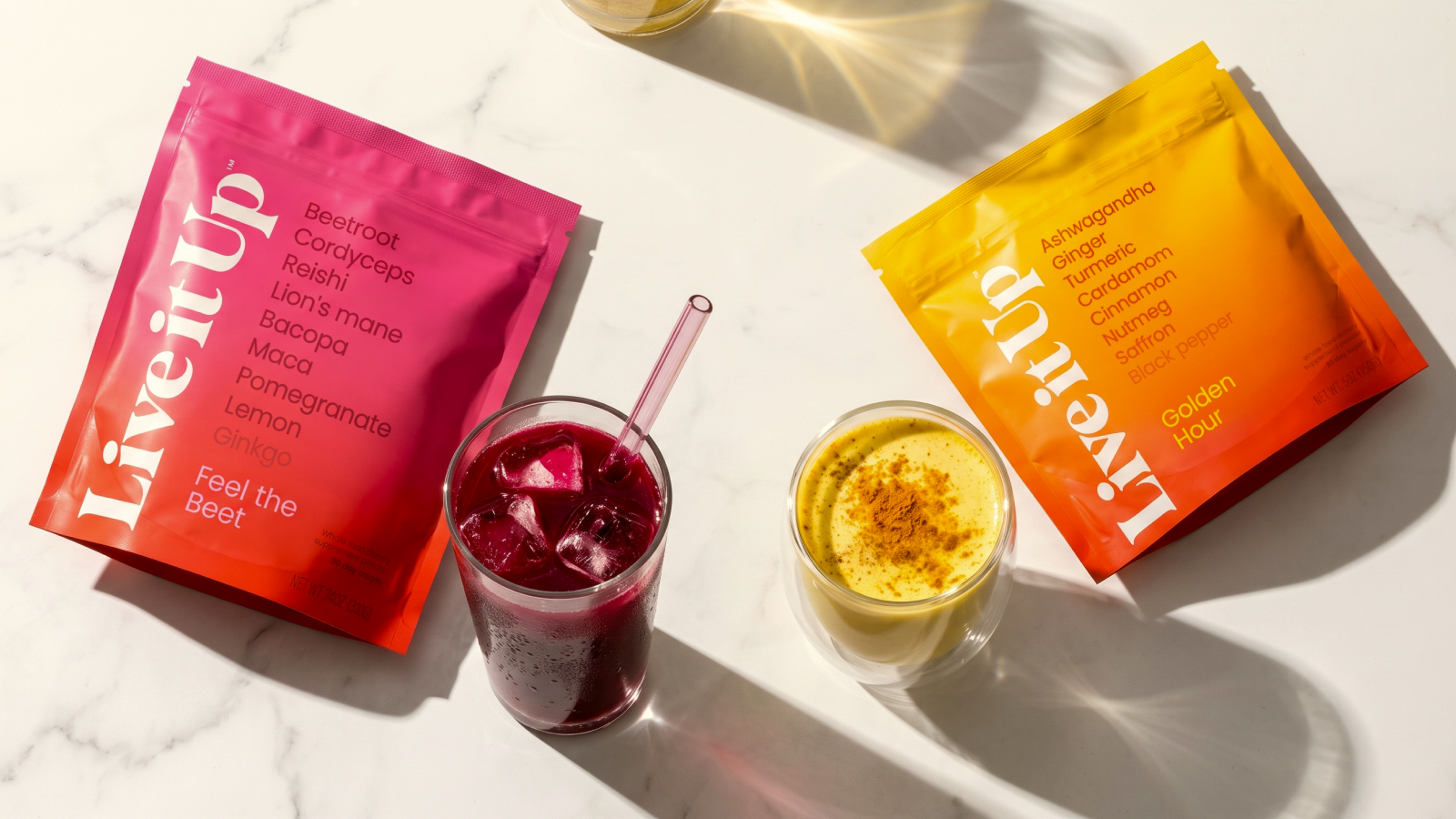
Live it Up Feel the Beet was built around this idea: antioxidant-rich beetroot for healthy circulation and stamina plus a blend of adaptogenic mushrooms, including Lion's Mane, Reishi, and cordyceps, to support the kind of focus and endurance that keeps you going without the spike-and-crash cycle. In fall especially, that kind of natural, steady energy is worth protecting.
Rest Is Not Optional
People talk a lot about what they're doing during the day—nutrition, exercise, energy—and almost never about sleep and recovery. But your immune system does a significant portion of its repair work overnight. Shorter days and cooler temperatures are your body's natural signal that it needs more rest, not something to push through.
A few things I actually do going into fall: I start dimming lights earlier in the evening, I'm more intentional about a wind-down ritual, and I stop treating late nights as a badge of honor.
This is where I recommend Live it Up Golden Hour. Ashwagandha supports your body's stress response so your evenings feel calmer before you even try to sleep, while turmeric and other superfoods may also support quality sleep. All of this comes together in a cozy spiced drink that’s a perfect ritual for the season.
Did You Know?
The curcumin in turmeric works even better when paired with black pepper. This is because piperine, a compound in black pepper, helps make curcumin more bioavailable or easier for our body to use. Live it Up Golden Hour has a ratio of both curcumin to black pepper to help you get the most from these supplements.
The Habit That Holds Everything Together
All four of these threads: vegetables, hydration, energy, and rest come back to the same thing: consistency. Seasonal transitions are the moments when routines are most likely to slip, not because people stop caring, but because the cues change. The salad you ate without thinking in July doesn't feel as natural in October.
The routines that survive seasonal transitions are the ones that don't depend on motivation or mood. They're the ones that are simple enough to do on a tired Tuesday in November, not just on a bright morning in June.
The whole idea behind building a morning and evening routine you actually stick to, is not trying to be perfect, just consistent.
Try the Live it Up superfood collection!
This article is for informational purposes only and is not medical advice or individualized nutrition counseling. Please consult a qualified healthcare provider before making changes to supplements or medications. Any product or brand mentions are for general information and don’t guarantee results.
- https://www.ncbi.nlm.nih.gov/books/NBK232870/
- https://www.jpeds.com/article/S0022-3476(62)80172-3/pdf
- https://pmc.ncbi.nlm.nih.gov/articles/PMC6751071/
- https://pmc.ncbi.nlm.nih.gov/articles/PMC3991026/
- https://pmc.ncbi.nlm.nih.gov/articles/PMC3256323/
- https://pmc.ncbi.nlm.nih.gov/articles/PMC12440604/
- https://pmc.ncbi.nlm.nih.gov/articles/PMC10724617/