Millions of people set New Year’s resolutions every January to improve their health, finances, relationships, and more. Yet studies show that nearly 80% of people give up on their goals before February. There’s even a name for it: the second Friday of January is known as Quitter’s Day because most resolutions have already fizzled out in the first few weeks of the year.
If you’re hoping to build a consistent exercise routine, drink more water, improve your sleep, or simply feel more balanced in 2026, you’re in the right place. This guide breaks down practical New Year’s resolution ideas, explains why goals often fall off track, and shares simple strategies to help you achieve your fresh start and stay consistent all year long.
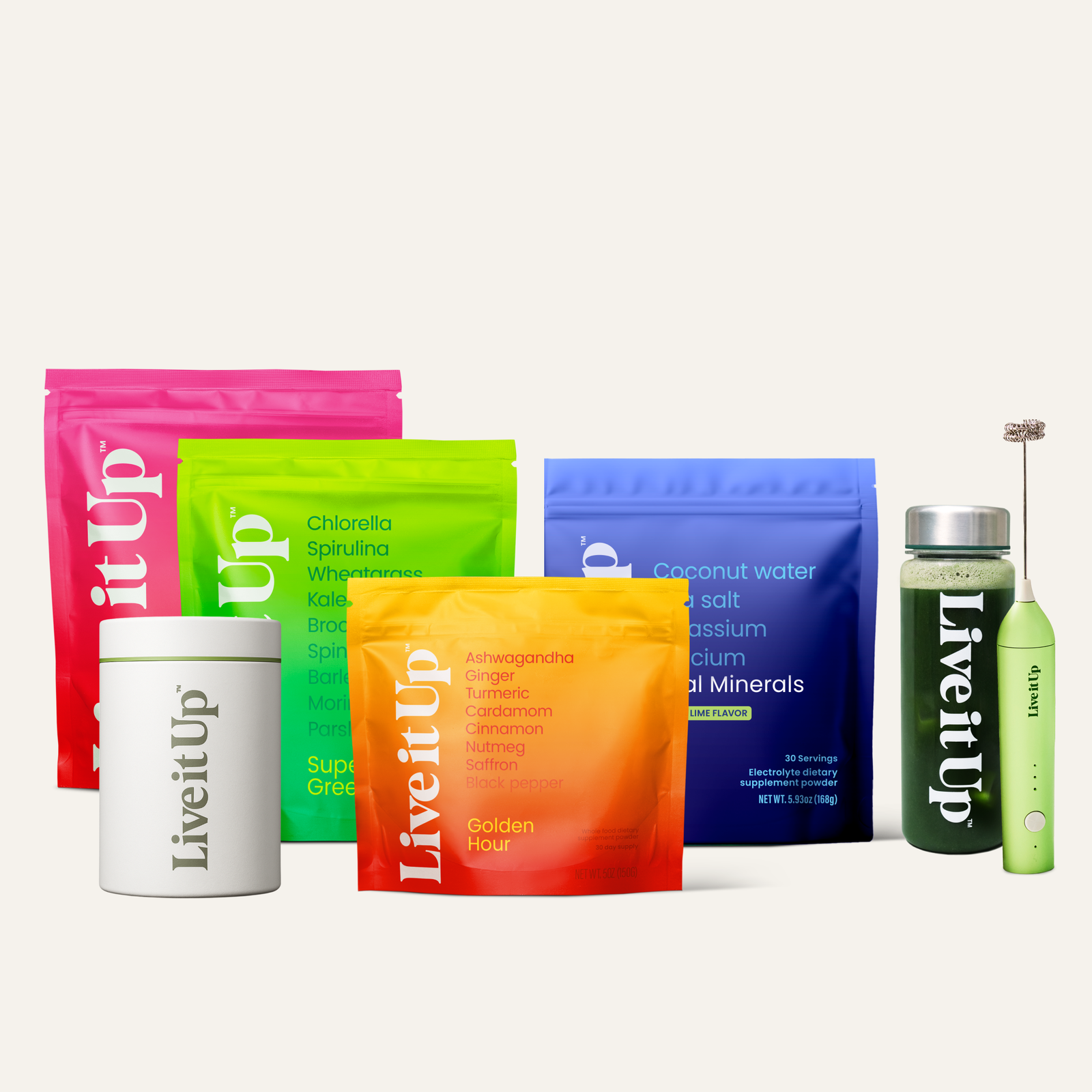
Start the New Year off right and set your feel-good goals for 2026 with our Ultimate Holiday Survival Pack bundle!
Our superfood supplements can help transform your loved ones' wellness this year. This exclusive deal gets you 50% OFF of all of our products, including:
- Super Greens
- Feel the Beet
- Golden Hour
- Vital Minerals
- Premium Mixer
- Shaker Bottle
- Canister
Top New Year’s Resolution Ideas for 2026
Not sure where to start? These resolution ideas are designed to be approachable, flexible, and easy to adapt to your goals for the year ahead.
Health and Nutrition
A healthier year doesn’t require a full lifestyle overhaul. Start small, stay consistent, and choose habits that make you feel good.
- Drink less alcohol: Even a short break from drinking alcohol can improve sleep quality, mood, and energy. If a month-long reset feels overwhelming, create your own flexible guidelines and try out a few mocktails!
- Prioritize balanced meals: Build your plates with protein, veggies, and whole grains to keep your natural energy levels steady all day long—no afternoon slump required.
- Eat more veggies: in addition to balanced meals, one of the easiest ways to add more greens to your day is with a greens powder like Live it Up Super Greens, which has three cups of veggies in every scoop.
- Try a weekly meal prep hour: Even light prep, like washing produce, cooking grains, and chopping veggies, makes healthy eating more achievable during busy weeks.
- Drink more water: Staying hydrated might seem like the easiest habit in the world, but nearly half of U.S. adults drink far below the recommended daily amount. Try tracking your intake with an app, using a water bottle with measurements, or adding a flavor boost to make it more enjoyable.
- Breakfast every morning: Who said skipping breakfast was a good idea? Nobody, that’s who. A nourishing morning meal supports steady energy levels, mood, digestion, and cognitive function throughout the day.
- Support your electrolyte balance: Hydration isn’t just about drinking enough water. Supporting your electrolyte levels through products like Live it Up Vital Minerals is an easy, refreshing way to meet this essential need.
- Eat less meat: You don’t need to go fully vegan to add more plant-based foods into your week. Swap chicken for tofu, try a bean-heavy chili, or build a veggie-forward salad or stir-fry for a simple, satisfying shift a few days a week.
- Squeeze more citrus into your diet: Vitamin C-rich fruits support immune health, brighten up winter meals, and add a fresh pop of color to your plate on gloomy days.
- Eat mindfully: Eating too quickly can confuse your body’s hunger cues. Slow down, chew thoughtfully, and give your body time to register satisfaction to support healthy digestion.
- Limit ultra-processed snacks: Instead of relying on willpower, keep fewer ultra-processed snacks in your pantry and stock nourishing options within reach.
- Add one fermented food to your routine: Yogurt, sauerkraut, kimchi, or kombucha help support gut health in a simple and tasty way.
- Swap the sweets: Going cold turkey on sugar intake is difficult to stick to, but you can swap sugary drinks and snacks with satisfying alternatives. Choose berries and dark chocolate for dessert, and sparkling water with citrus, herbal tea, or electrolyte mixes keep hydration fun without extra sugar!
- Schedule annual health screenings: Preventive care is one of the most underrated forms of self-care. Start your year by scheduling your dental and primary care appointments, so you’re not scrambling later.
Fitness & Movement
You don’t need a gym membership or a color-coded workout spreadsheet to move more in 2026. Think of movement as a mood booster, an energy reset, and a form of self-care you can weave into the pockets of your day. Small good habits count (and they add up faster than you think).
- Take the stairs: The elevator may be tempting, but a quick switch to the stairs strengthens your legs, boosts your heart rate, and sneaks movement into days when you can’t fit in a full workout.
- Attend a yoga class: Whether in person or streamed at home, yoga supports flexibility, mobility, and stress relief—and gives you a much-needed moment to slow down.
- Take dance breaks: If you spend most of your day sitting down, a five-minute dance break every so often is an easy way to reset. A favorite song and a spin around your kitchen count as cardio, stress relief, and joy all at once.
- Start walking more: A daily walk supports digestion, immunity, and mental well-being. If “daily” feels overwhelming, start with three times a week. You can also track steps on your phone or watch to help you stay motivated.
- Stretch for 5 minutes each morning: You don’t need a full routine—just roll your shoulders, stretch your spine, and wake up your muscles before the day begins.
- Try a new low-impact workout: Pilates, swimming, and cycling are great options if you want movement that’s gentle on your joints yet highly effective.
- Experiment with fitness apps: Guided workouts can make consistency easier. Many fitness apps have free classes you can do anytime, anywhere.
- Turn errands into steps: Modern convenience can limit opportunities for movement. Park farther away, take an extra lap through the store, or walk to nearby restaurants and cafes when you can.
- Schedule movement like an appointment: Adding it to your calendar makes it feel non-negotiable and increases the likelihood you’ll stick with it.
- Try an outdoor workout: Fresh air is a natural mood booster. Move your stretching, walking, or strength training outside whenever the weather allows.
- Incorporate movement snacks: Long workouts aren’t always realistic. On busy weeks, sprinkle in mini bursts: a few squats while your coffee brews, a short walk after lunch, or light stretching during your morning news.
- Try strength training: Bodyweight exercises like squats, lunges, and push-ups can be done anywhere.
- Take post-meal walks: A 5-10 minute walk after meals supports digestion and regularity.
- Fix your posture: Whether it’s investing in a desk chair with back support, replacing your go-to shoes, or being mindful of sitting up straighter, posture can have a huge impact on how you feel.
Sleep & Recovery
Quality sleep fuels every part of your health. When you get enough sleep, your mood, focus, immune function, and resilience also improve. Consistent habits can make your nights more restorative and your days feel easier.
- Go to bed at the same time each night: Consistency is one of the most effective ways to support your circadian rhythm and improve your sleep quality over time.
- Limit doom scrolling before bed: Trade the stress loop for something calming: a book, meditation, journaling, or a cozy golden milk latte.
- Create a wind-down ritual: A warm shower, soft lighting, or a few minutes of gentle stretching can help your body shift from alert mode to rest mode.
- Try a calming nighttime beverage: Live it Up Golden Hour is made with a clinically backed dose of ashwagandha and soothing spices to help you relax nightly and support long-term sleep health without melatonin.
- Dim lights an hour before bed: Soft lighting tells your brain it’s time to wind down and encourages melatonin production naturally.
- Keep your bedroom cool: Around 60°F-67°F is ideal for most people and can help encourage deep sleep.
- Get morning sunlight: On the flip side, even 5 minutes outside early in the day can also help regulate your circadian rhythm and make you feel more awake.
- Remove screens from your room: A simple boundary with a big payoff for your sleep quality (and your stress levels).
- Use a sleep journal: Track small patterns, including what you ate, your stress levels, your screen time, and your wind-down routine to better understand what helps you sleep well.
- Prioritize recovery days: Rest isn’t optional; it’s part of the process. Build in low-effort days to help your body bounce back from workouts and daily stress.
- Limit caffeine after 2 PM: Caffeine fuels the vicious cycle of late nights, less sleep, and fatigue-filled days. Switch to decaf, tea, or Golden Hour in the afternoon and evenings.
Mental Health & Mindset
A healthier year starts with a healthier headspace. These small mental shifts and grounding practices can help you move through daily life with more clarity, calm, and confidence.
- Practice daily affirmations: Repeating grounding statements can help build confidence and soften negative self-talk, especially during tough times. Say affirmations to yourself in the mirror each morning to promote mindfulness.
- Create gentle digital boundaries: Limiting screen time supports better focus, mood, and mental clarity. Leave your phone behind on walks, put it away an hour before bed, or try apps that automatically limit your screen time.
- Stop procrastinating on important decisions: Taking one tiny action toward clarity can improve your decision-making rather than letting big tasks pile up in your mind.
- Start a gratitude journal: A quick list of small daily wins can shift your mindset in just a few moments. Write down three things you felt grateful for every evening.
- Try a short meditation: Even two minutes of clearing your head can help regulate stress and settle your nervous system.
- Reframe negative thoughts: Notice when your mind spirals, and replace harsh thoughts with more rational, realistic ones.
- Set one weekly intention: A simple guiding focus keeps you aligned without adding pressure and helps you stay consistent with your personal goals throughout the year. It can be something like taking a morning walk or aiming for an earlier bedtime.
- Limit multitasking: Doing one thing at a time makes your day feel calmer and your work more satisfying. Allow yourself the grace of completing tasks one by one (including rests and breaks).
- Build a joy list: Write down activities to do this year, big or small, that make you feel good. Pull from that list when you feel stuck or low energy.
- Consume uplifting content: Follow books, podcasts, accounts, and playlists that inspire you, and schedule a 5 minute mood boost every day.
- Practice a one-minute pause: A quick reset throughout the day can help you manage stress in real time.
Self-Care
A healthier, more successful year isn’t just about what you check off your to-do list. It also means prioritizing care for your mind, body, and energy along the way. Thankfully, self-care doesn’t need to be elaborate or expensive to lead to self-improvement.
- Become a plant person: Tending to something green adds to your space and brings the joy of the outdoors indoors. Research the right plant for you, and then create a watering and care schedule for the year.
- Treat yourself to a weekly spa day: Pick one night a week for some self-love, like a warm bath, face mask, manicure, or quiet hour with no agenda.
- Consider therapy: Your mental health is just as important as your physical health (and they are all connected). Working with a mental health professional throughout the year can help you navigate stress, overcome hurdles, and understand yourself better.
- Practice financial self-care: Create a small savings plan that helps you save up for a splurge activity, like a vacation or fancy spa day.
- Invest in your skincare routine: Your skin is your body’s largest organ, and it needs the right nourishment to maintain a vibrant, healthy glow. A simple routine every night goes a long way—as does eating more superfoods for skin health.
- Start a reflection journal: Even a few lines a day can help you process emotions, track habits, and reflect on what’s working (and what isn’t).
- Spend more time outside: Exposure to natural light supports your circadian rhythm, mood, and focus. A quick outdoor reset without your phone counts.
- Be kind to yourself, actively: Start listening to your self-talk and actively replace harsh negativity with compassion. How you speak to yourself throughout the year matters more than almost any other resolution on this list.
- Take a weekly personal reset hour: Choose one hour at the same time each week to reset, clean your space, prep food, or review your goals. It doesn’t have to be perfect; it just has to meet your needs.
- Just say “no”: Learning when to say no to people and commitments and yes to yourself is a powerful form of self-care that takes practice.
Home & Lifestyle Habits
Many people spend more time at home than anywhere else. The state of your home can often impact your sleep, mental health, and more, but small, consistent habits can transform your space, your routines, and the way you feel moving through your day.
- De-clutter once a month: A clearer space supports a clearer mind. Start with one drawer or one surface at a time, with one de-clutter day per month.
- Add light cleaning tasks to your weekly routine: A few minutes of upkeep prevents weekend overwhelm and helps your space feel calmer.
- Make your bed every morning: It’s a small win that sets the tone for the rest of your day.
- Reorganize your pantry: Make healthy choices the easy choices by putting whole foods and staples within reach. Keep this up every time you go grocery shopping.
- Practice habit stacking at home: Pair tidying, laundry, or dishes with something enjoyable like a podcast, playlist, or audiobook.
- Refresh your space seasonally: A new throw pillow, fresh flowers, or rearranged furniture every once in a while can make your home feel new without spending much.
- Create a weekly fridge reset: Toss expired items, wipe down shelves, and rotate leftovers. It keeps your kitchen inspiring and reduces food waste.
- Set up a drop zone: A designated spot for keys, bags, and mail to keep chaos to a minimum and make running out the door easier this year.
Professional Growth
A more balanced, fulfilling work life in 2026 doesn’t require more money, a new job, or a promotion. Small shifts in how you structure your day can boost productivity, personal development, and self-confidence, and make your workload feel more manageable.
- Time-block your schedule: Instead of juggling tasks as they come in, group similar tasks together. Blocking off chunks of time for email, deep work, or meetings can help you stay focused and reduce the mental fatigue of constant switching. It also makes it easier to dedicate time to the projects that matter most.
- Adopt a “top three” mindset: Before your workday starts, identify the three most important tasks you need to accomplish. It keeps your to-do list realistic and helps you end the day feeling satisfied instead of overwhelmed.
- Create task boundaries: If you tend to jump into reactive mode, try setting “inbox hours.” Checking messages at set times (instead of all day long) protects your deep-focus windows.
- Take intentional breaks: Five minutes away from your screen can reset your energy and improve focus. Take time to stretch, refill your water, step outside, or just breathe. Breaks aren’t wasted time; they keep burnout at bay.
- Declutter your digital space once a month: Cleaning up your desktop, organizing files, and unsubscribing from unused platforms can help you feel more in control of your workflow.
- Refresh your resume: Plan time to take a fresh look at your LinkedIn profile and resume. Is it reflective of your responsibilities and what’s happening in your industry? This may prompt ideas for new skills to acquire this year.
- Conquer the midday slump: Create a slump kit with go-to items or activities that help you power through a midday lull in your workday, such as green tea, a walk pad for your desk, or a superfood boost with Feel the Beet to balance your energy.
- Use templates to save time: If you find yourself writing the same emails or creating the same reports repeatedly, build simple templates. They reduce repetitive work and improve consistency.
- Learn one new skill: Whether it’s a full certification or just a news article, focus on your professional development. Watching a short tutorial, taking a class, or attending a webinar once a week keeps you growing.
- Set a real stop time: Work creep is real, especially if you’re remote or hybrid. Setting a clear end-of-day boundary helps protect your evenings (and your stress levels).
- Consider mentorship: Whether you find a mentor in your industry to decide to become a mentor yourself, sharing knowledge expands your network and shows you outside perspectives.
- Schedule one “learning lunch” a month: Watch a talk, read an article, or tune into a webinar while you eat to spark new ideas.
Relationships
A more connected year doesn’t require a packed social calendar or a new friend group. Nourishing your romantic, platonic, and family relationships often comes from intentional habits that make you feel grounded and supported.
- Reach out first: If you struggle to keep up with texts and phone calls, try sending a spontaneous text to a close friend or family member once a week, whoever crosses your mind!
- Schedule friend dates: Put time with friends on your calendar the same way you would a doctor appointment. A standing monthly walk, coffee date, or phone call makes staying in touch much easier.
- Be fully present in conversations this year: Put your phone away during meals or catch-ups, make eye contact, and listen with care.
- Nurture your closest friendships: When in doubt, prioritize the people who fill your cup. Perhaps they’ll want to join you on one or two of your other goals!
- Set social boundaries: There will be times when you are spread too thin, and that’s okay. Decline plans or choose lower-energy hangouts to protect your social bandwidth.
- Join a group or hobby class: Shared-interest spaces like book clubs, running groups, or art classes can make meeting new people feel natural instead of intimidating.
- Build a resolution plan: Conflict can be one of the most challenging parts of a relationship to navigate. Commit to improving your conflict resolution skills this year and build more resilient bonds.
- Spend quality time with family in simple ways: Schedule a weekly call with a parent, plan a virtual movie night with siblings, or start a monthly dinner with a relative you want to feel closer to.
- Share the love: The simple act of acknowledging someone’s kindness, generosity, humor, or support can go a long way in making people feel seen.
- Celebrate people’s milestones: Give yourself a goal of how many you want to hit this year, then set reminders for birthdays, promotions, anniversaries, and big moments.
- Check in with yourself, too: Social wellness is about honoring your own needs as well as your loved ones'. Notice which interactions energize you and which drain you, and reflect.
Learning & Creativity
Your growth doesn’t have to stop if you aren’t in school. Whether you want to learn a musical instrument or a language, making space to learn, explore, and create keeps your mind sharp and brings more joy and curiosity into your day-to-day life.
- Experiment with new recipes: Cooking can be a creative outlet that also nourishes your body. Try a new spice, cuisine, or technique each week.
- Read more books: Start a tracker with your reading goal for the year. Even 10 minutes before bed or during your lunch break adds up quickly.
- Listen while you learn: Pick a few podcasts that interest you and commit to learning something new with a listening goal each month. Learning becomes effortless on commutes, walks, or while doing chores.
- Get crafty: Creativity reduces stress and boosts your mood. Try something simple like knitting, sketching, or making a photo album.
- Learn a new language: Short, daily practice with apps or YouTube lessons keeps your brain engaged and supports long-term cognitive health.
- Explore a topic you know little about: Follow your curiosity! Watch a documentary, read an article, or dive into a subject that feels new and exciting.
- Visit museums, galleries, or cultural sites: Fresh surroundings spark new ideas and broaden your perspective.
- Attend a local talk or workshop: Libraries, bookstores, and community centers often host free events that expose you to new ideas and perspectives.
- Learn more about personal finance: Whether you want to start investing, make tax season less stressful, or get better at budgeting, make a goal to spend time on your financial literacy.
- Take an online class: Platforms like Coursera, MasterClass, and Skillshare make it easy to learn at your own pace.
- Play brain games: Crossword puzzles, Sudoku, and word apps can sharpen memory and focus in just a few minutes a day.
- Revisit an old hobby: Pick up something you used to love—music, painting, writing, or sports—and give it 10 minutes of attention each week.
- Try a creative challenge: A 30-day photo challenge, daily doodle, or “one new fact a day” keeps your brain playful and engaged.
- Start a curiosity notebook: Jot down questions, topics, or ideas that spark your interest. Pick one each week to explore.
Adventure
Adventure doesn’t always mean hopping on a plane. Sometimes it’s simply choosing to see your everyday world with fresh eyes.
- Explore new hobbies: Try activities that challenge or inspire you, from ceramics to trail running to creative writing.
- Take a road trip: A short drive with good music and no strict agenda can be incredibly refreshing.
- Experiment with a different commute: Sometimes a small shift in your daily route opens you up to new sights, sounds, and rhythms.
- Visit a nearby town you’ve never explored: Discover local shops, parks, and restaurants you’ve been overlooking.
- Take a class outside your comfort zone: Stepping into a new environment builds confidence and often leads to unexpected joy.
- Try a new outdoor activity: Kayaking, hiking, paddleboarding, or even a simple nature walk can spark a sense of discovery.
- Test out a new restaurant or cuisine: Trying new foods is one of the easiest (and most delicious) ways to bring adventure into your everyday life.
- Plan a vacation: Whether it’s a long weekend or a big trip, having something on the calendar can lift your mood for months.
- Try a sunrise or sunset outing: A walk, drive, or local lookout spot can make an ordinary day feel like an adventure.
- Become a tourist in your own city: Visit a museum, landmark, or a popular spot you’ve never been to, even though it’s right down the street.
- Say yes to something spontaneous: Accept an unexpected invite, turn left instead of right on a walk, or try something unplanned just because it feels fun.
Give Back
Small acts of generosity strengthen your community, boost your sense of purpose, and create a rippling impact far beyond your daily routine.
- Volunteer your time: Whether it’s tutoring, mentoring, or helping at a local shelter, choose a cause that aligns with your values and schedule.
- Donate items you no longer need: Clear out clothes, books, and household items to give them a meaningful second life. Pair this with a monthly de-clutter goal!
- Support local businesses: Choosing more local cafés, bookstores, and shops helps strengthen your community’s economy.
- Participate in community cleanups: Join a neighborhood trash pickup, adopt a local park, or simply bring a bag on your weekly walks.
- Reduce your carbon footprint: Small shifts like walking when you can, conserving energy, and opting for reusable products add up.
- Attend community events: Farmer’s markets, festivals, school events, and town gatherings help foster connection and belonging.
- Share your skills: Offer your expertise, whether that’s cooking, writing, tutoring, or home repair, to someone who could use a hand.
- Practice sustainable habits at home: Composting, recycling, or reducing food waste supports both your household and your community.
- Be a neighbor people can count on: Check in on someone who lives alone, offer to help with errands, or simply say hello more often.
- Support community fridges or mutual aid groups: Contribute shelf-stable foods, hygiene products, or small donations to help neighbors directly.
Why New Year's Resolutions Fail
New Year’s resolutions don’t usually fall apart because people lack willpower or the desire for personal growth. More often than not, resolutions fail because they are built on a weak foundation. Research shows that goals set without a clear plan or genuine motivation are far less likely to stick. Here are some of the most common missteps:
- They are too vague. “Eat healthier” or “get in better shape” doesn’t offer direction or a clear action plan, which makes follow-through difficult.
- They’re too lofty: Overly ambitious, all-or-nothing goals can lead to burnout or discouragement after the first week of the year.
- They come from external pressure: Studies suggest that goals tied to social comparisons or expectations feel less meaningful and are less likely to be maintained.
- They lack structure: Without a way to measure your progress, even a well-intentioned goal can lose steam quickly.
The good news is that with a little strategy, you can set achievable goals that are realistic, motivating, and designed to last long-term.
How to Set New Year’s Goals that Actually Work

When your goals feel attainable and aligned with your true wants and needs, consistency becomes so much easier. Here’s how to set goals that genuinely support you throughout the year.
Try Smart Goals
SMART stands for Specific, Measurable, Achievable, Relevant, and Time-bound, turning vague intentions into goals with a clear plan. Breaking bigger goals into smaller, manageable steps within a certain time frame makes progress attainable rather than overwhelming.
Align With Your Values
Goals that are rooted in your genuine wants and intrinsic motivation are far more sustainable. If you focus on what you care about, not what you think you “should” be doing, the process becomes more rewarding and habits are easier to maintain.
Make Time for Your Goals
If you don’t make time for your goals, they are just a list of ambitions and wishes. Consider your realistic weekly schedule, and block out periods for the habits you want to build. Planners, journals, habit trackers, apps, and milestone check-ins can help you stay accountable and review progress monthly or quarterly.
Stay Flexible
Life is constantly changing, and your goals can too! New Year’s resolutions aren’t things you do every day—it’s what you do for more days of the year than not. Adjust timelines, methods, or expectations when you need to. Flexibility helps you stay committed without feeling boxed in.
Celebrate Small Wins
Small achievements lead to big milestones, and they create momentum. Make a point to recognize your progress along the way instead of waiting until the very end to celebrate.
Try Habit Stacking
No matter how spontaneous you are, your brain loves routine. Pair a new habit with one you’ve already built into your day, like stretching after brushing your teeth or taking vitamins with your morning super greens smoothie. Connecting habits makes them easier to remember and reinforces consistency.
New Year, New Goals
As you move into 2026, remember that consistent habits, and the routines that support them, are what make resolutions stick. At Live it Up, we help people nourish their bodies with potent superfoods to give them the energy, focus, and feel-good power to work toward their goals:
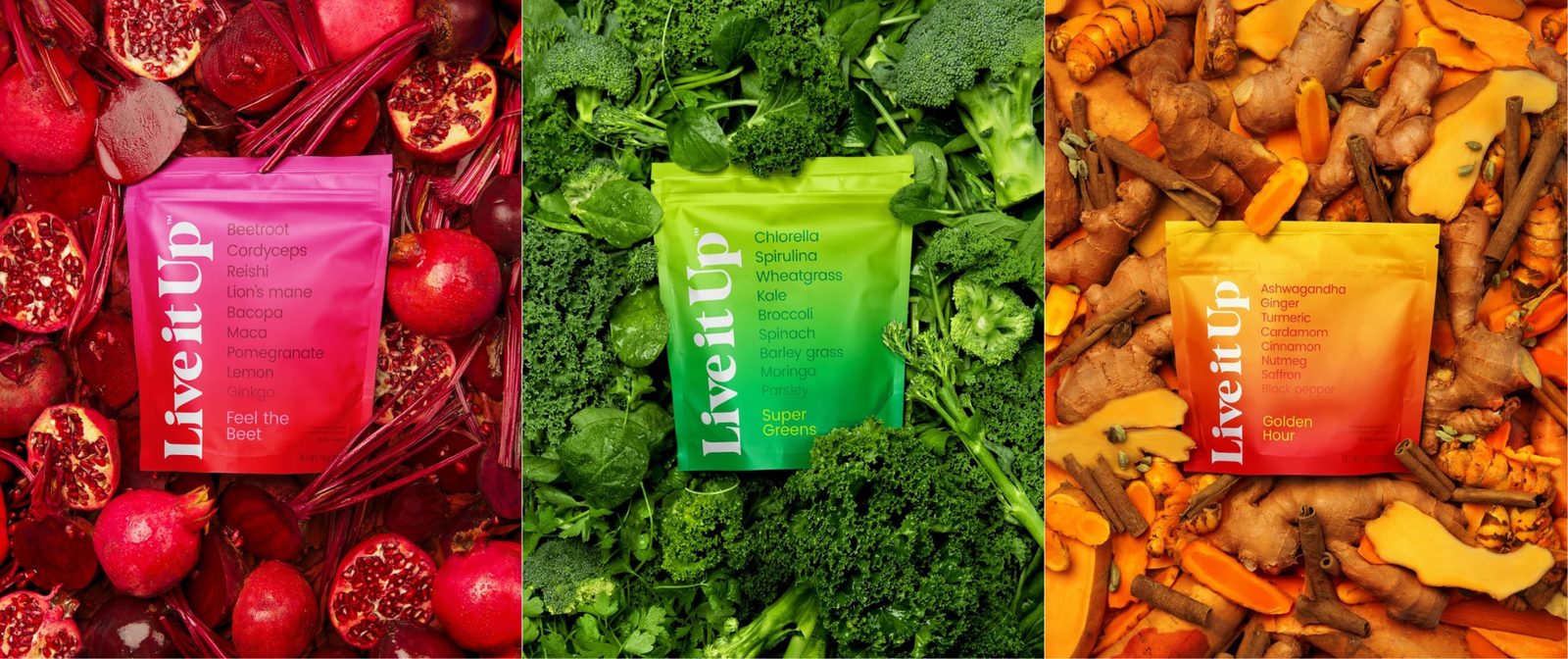
- Get your daily greens with Super Greens
- Stay hydrated with Vital Minerals
- Power through with Feel the Beet
- Rest easy with Golden Hour
Most importantly, be kind to yourself. Progress doesn’t need to be perfect or dramatic to be meaningful. Here’s to a healthier, happier 2026!
FAQs About New Year’s Resolutions
Here are our most frequently asked questions about New Year’s resolutions.
What is the best New Year’s resolution?
The best New Year’s resolution is one that aligns with your personal values and feels genuinely meaningful to you. When a goal reflects what you truly want, rather than outside pressure or trends, it becomes easier to stay motivated. Choose something realistic, specific, and supportive of the life you want to build in the year ahead.
What is the hardest New Year’s resolution?
The hardest resolutions are often the ones that are too vague, overly ambitious, or motivated by comparison rather than true desire. Goals like “get healthier” or “never eat sugar again” lack structure and quickly become overwhelming. When a resolution doesn’t match your lifestyle or lacks a clear plan, it’s much more difficult to maintain.
What are the common resolutions?
Typical New Year’s resolutions usually focus on overall well-being, like eating healthier, exercising more regularly, saving money, getting better sleep, reducing stress, reading more, drinking more water, or nurturing relationships. These themes are so common because they center on the universal desire to feel more balanced, energized, and fulfilled in daily life.
What are SMART goals?
SMART goals are a goal-setting framework that makes resolutions easier to follow through on. They are Specific, Measurable, Achievable, Relevant, and Time-bound, meaning they’re clear, realistic, and grounded in a timeline. This structure turns broad intentions into action steps you can track, helping you stay focused and see progress over time.
How to make New Year’s resolutions and keep them?
Start by choosing goals that matter to you and breaking them into small, manageable steps. Use the SMART framework to give your resolution structure, schedule time in your week to work on it, and stay flexible as life changes. Checking in monthly and celebrating small wins can also help keep your motivation high throughout the year.
- https://www.psychologytoday.com/us/blog/what-mentally-strong-people-dont-do/202412/why-new-years-resolutions-set-you-up-to-fail
- https://health.ucdavis.edu/blog/cultivating-health/better-sleep-why-its-important-for-your-health-and-tips-to-sleep-soundly/2023/03
- https://civicscience.com/forty-seven-percent-of-americans-dont-drink-enough-water-plus-more-h2o-insights/
- https://health.clevelandclinic.org/what-is-the-ideal-sleeping-temperature-for-my-bedroom
- https://som.yale.edu/story/2024/now-or-never-why-do-many-new-years-resolutions-fail
- https://academic.oup.com/jcr/article-abstract/46/2/351/5253366
- https://positivepsychology.com/how-to-say-no/
- https://www.rush.edu/news/power-good-posture
- https://www.helpguide.org/relationships/communication/conflict-resolution-skills
- https://www.psychologytoday.com/us/blog/what-mentally-strong-people-dont-do/202412/why-new-years-resolutions-set-you-up-to-fail
- https://health.ucdavis.edu/blog/cultivating-health/better-sleep-why-its-important-for-your-health-and-tips-to-sleep-soundly/2023/03
- https://civicscience.com/forty-seven-percent-of-americans-dont-drink-enough-water-plus-more-h2o-insights/
- https://health.clevelandclinic.org/what-is-the-ideal-sleeping-temperature-for-my-bedroom
- https://som.yale.edu/story/2024/now-or-never-why-do-many-new-years-resolutions-fail
- https://academic.oup.com/jcr/article-abstract/46/2/351/5253366
- https://positivepsychology.com/how-to-say-no/
- https://www.rush.edu/news/power-good-posture
- https://www.helpguide.org/relationships/communication/conflict-resolution-skills