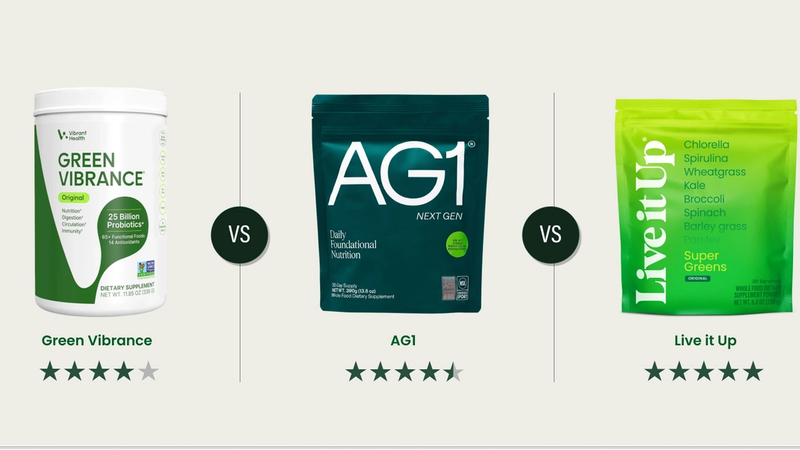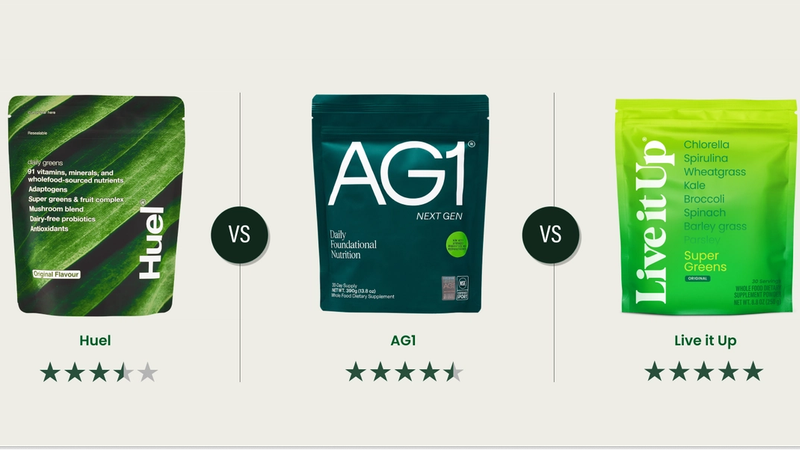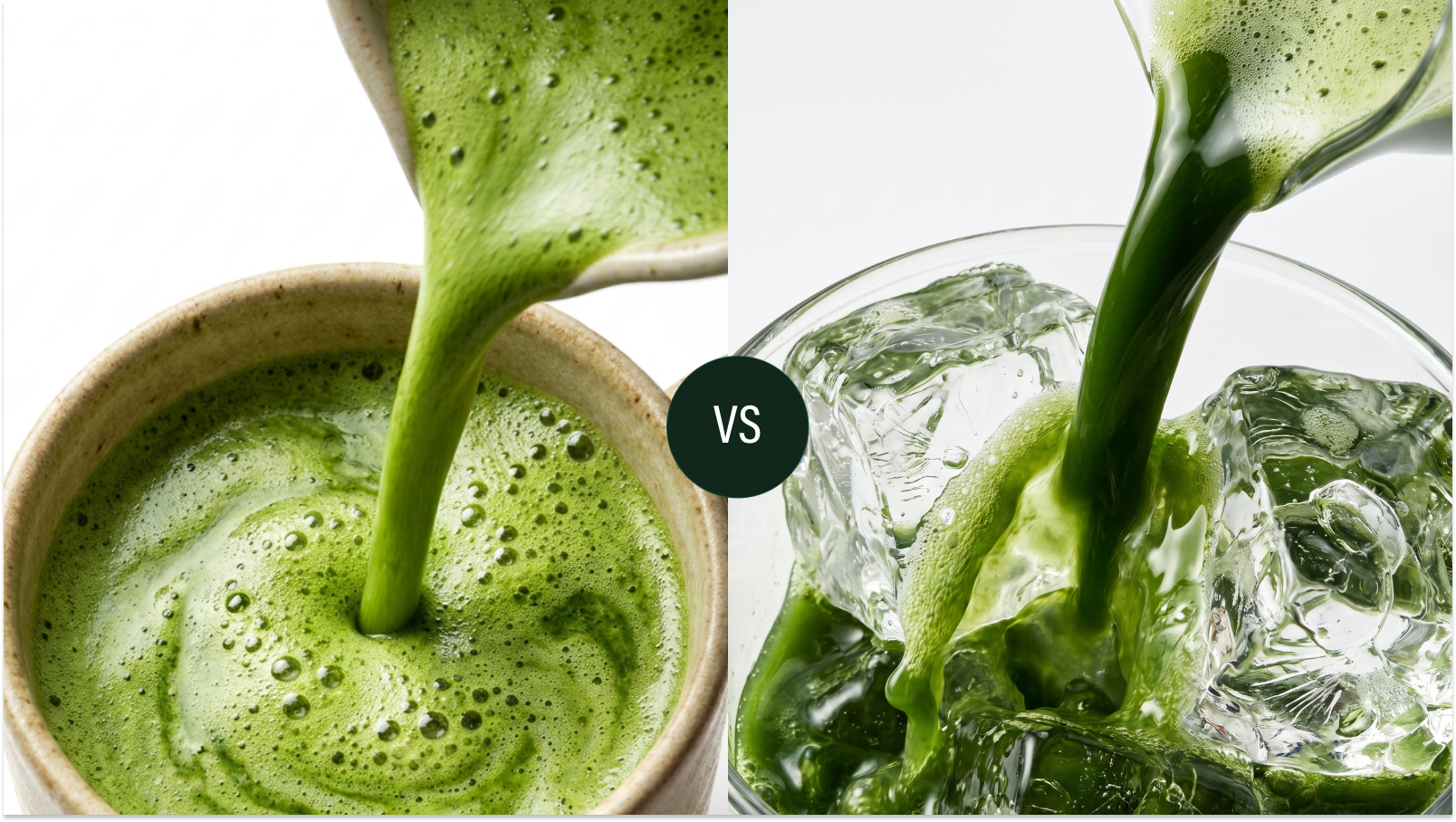
Matcha green tea and greens powders are two widely popular beverages, both known for their signature green color. As a registered dietitian, I love it when nutritious beverages make their way into the mainstream. But which is better—matcha or greens powder?
In this article, I’ll walk you through how both drinks are packed with nutrients yet are very different in terms of their taste, use, and potential health benefits. Matcha green tea powder has a high antioxidant and caffeine content plus a unique flavor, while greens juice contains an array of green superfoods.
Personally, I am a fan of vegetable-dense greens powders like Live it Up Super Greens for natural, caffeine-free energy, although matcha also offers its own unique benefits. Let’s take a closer look at these delicious beverages to help you decide which best suits your health needs and preferences.
Matcha and Greens Powder at a Glance
If there’s one thing to know about matcha versus greens powder, it’s this:
- Matcha is a powdered, highly caffeinated green tea that is often served alone, topped with steamed milk (matcha latte), or used as a flavor in baked goods. Although matcha powders vary in quality and tasting notes, most contain only one simple ingredient: matcha green tea leaves.
- Greens powders are powdered supplements that contain leafy green veggies, but vary widely depending on the manufacturer’s unique formula—no two greens powders are the same.
Matcha Green Tea Powder | Greens Powders | |
|---|---|---|
Best For | Those wanting an antioxidant-rich, caffeine boost or a delicious, warming tea. | Those wanting to support their overall health and nutrition through veggies. |
Flavor |
| Depends on the product. Some are earthy, and others are fruity and sweet. Live it Up Super Greens is:
|
Nutrient Quantity (per serving) | Based on one serving (1tsp) of Jade Leaf Organic Ceremonial Matcha:
| Based on one serving (8.3g) of Live it Up Super Greens:
|
How to Use |
|
|
Price | ~$15-$40+, quantity and price varies by manufacturer |
|


Dietitian Tip

If you’re looking for a caffeinated alternative to coffee, give matcha a try. If you’re simply looking to support your daily diet, a greens powder is your best bet.
What Is Matcha?
Matcha is a Japanese powdered green tea popular for its complex earthiness and umami flavor profile. With important significance in Japanese culture and history, this tea has since made its way into pop culture and is widely consumed as lattes.
Unlike other standard green teas, matcha comes in a powdered form that uses the entire green tea leaf and contains a plethora of bioactive compounds. The vibrant green color is due to the plant’s high chlorophyll content plus theanine, caffeine, and catechins.
Additionally, matcha is known by health experts for its high amino acid and antioxidant content. In particular, matcha contains the phenolic compound epigallocatechin-3-gallate (ECGC), which is a powerful phytonutrient that this special green tea is renowned for.
- Rich in antioxidants
- Potential health benefits may include: energy, helping support a healthy inflammatory response, supporting cognitive function, and supporting a healthy metabolism
- Can be incorporated into a variety of uses, from beverages to baked goods
- Not best for those sensitive to caffeine
- Contains tannins which are considered antinutrients
- High doses of catechins may impact liver function
- Can be complicated to prepare
- Grassy flavor may be an acquired taste
What Is Greens Powder?
Greens powders are a type of dietary supplement that features leafy greens. In many cases, greens powders also contain other ingredients like superfoods, digestive enzymes, probiotics, and sometimes adaptogens in addition to the vegetables.
When shopping for a greens drink, remember that no two greens powder formulas are the same—always do your research to ensure you’re getting the ingredients that best meet your health needs.
- May contain probiotics, digestive enzymes, and dietary fiber for digestive and gut health
- Can help fill fruit and vegetable gaps in the modern diet
- Made in a variety of flavors
- Support many areas of health including bloating, gut health, immunity, energy, and cognition
- Many brands (like Live it Up) are delicious and easy to prepare
- Formulas vary widely and some are better than others—requires research to find the right one for you
- Can be overly sweet, especially for powders using stevia
- Many brands have grassy flavors or grainy textures
Potential Health Benefits
Both matcha powder and greens powders offer potential benefits for your health. Here’s a closer look at the unique benefits of each drink.
Matcha Benefits
Since matcha tea leaves are rich in antioxidants and phytochemicals, matcha offers an array of potential health benefits:
- High content of polyphenols (an antioxidant) may help support a healthy inflammatory response.
- Amino acid L-theanine offers support for cognition, concentration, and alertness.
- Helps with cellular repair due oxidative stress and harmful free radicals thanks to high antioxidant content.
- Triglycerides in green tea, including matcha, help with healthy weight management by supporting the body’s metabolic function; however, studies suggest matcha poses the best possible support for weight-managing efforts when paired with proper diet, sleep, and exercise.
- Contains less caffeine than coffee while providing more sustained energy throughout the day—this is because of L-theanine, meaning that matcha doesn’t usually lead to the coffee jitters.
Did You Know?
Matcha contains more caffeine than other green tea leaves since it requires shady growing conditions. Shading the matcha plants is essential for jumpstarting the production of amino acids, compounds, and antioxidants that make matcha, matcha.
Greens Powder Benefits
Unlike matcha powder, which is made with a single ingredient (matcha tea leaves), the ingredients in greens powders vary widely by manufacturer and formula. Common ingredients used in addition to leafy greens may include probiotics, antioxidants, fruits, digestive enzymes, and adaptogens. Depending on the blend of ingredients, the potential benefits of greens powders can vary widely.
However, there are some common potential benefits that you can expect across the board:
- Support essential nutrition. 90% of Americans don’t get enough fruits and veggies, meaning that most people don’t get the nutrients their bodies need! Greens powders help fill this gap by providing at least one serving of leafy greens in a single scoop. (Live it Up Super Greens has three cups!)
- Offer immune support. Although some greens powders are better than others for immunity, many greens powders rely on kale, spinach, chlorella, and other leafy greens that are rich in vitamins A, C, K, and folate plus iron, calcium, and potassium. These vitamins are likely to support a strong immune response.
- Support digestion. Dietary fiber is needed for smooth digestion, but this essential component isn’t available in many highly-processed foods consumed across the U.S. Greens powders are an easy way to add to your daily fiber intake, which supports your digestion along with probiotics and enzymes.
- Offer sustained energy. Your body needs essential nutrients and antioxidants to energize itself throughout the day. For those trying to beat the afternoon slump or simply feel steady energy, a greens powder may offer the nutrients to feel ready to go!
Potential Side Effects
It’s important to know the impact of any new addition to your diet. Fortunately, matcha tea and super greens powders offer very few, yet distinct, potential side effects.
Matcha Potential Side Effects
Matcha is higher in caffeine than other green teas, which is where most of its potential side effects come from. Here’s how much caffeine is in one serving:
- Green tea: 28mg
- Matcha powder: 70mg (2.5x more caffeine than regular green tea!)
If you’re sensitive to caffeine or experience symptoms like headaches, sleep disruptions, nervousness, irritability, or frequent urination, then consider trying regular green tea over matcha.
Regularly drinking matcha may potentially expose you to impurities, depending on the grade and manufacturer you choose. To reduce the likelihood of consuming a matcha powder with impurities, ensure you opt for a certified organic variety or one with thorough third-party testing.
Greens Powder Potential Side Effects
Greens powders offer more potential side effects than matcha simply because they contain more ingredients and vary widely in additives depending on the formula and your specific health sensitivities. Look for a green supplement that is third-party tested, made in a certified Good Manufacturing Practices facility, and uses organic ingredients.
Depending on the ingredients, possible greens powder side effects include:
- Digestive upset (gas, upset stomach, nausea, stool changes)
- Rare allergic reactions
- Acid reflux
- Bloating
- Interactions with medications
- Vitamin megadosing (most likely to occur if taking a multivitamin containing similar vitamins and minerals, all totalling well over the daily recommended value)
How to Use Matcha vs. Greens Powder
Although there are some similarities in the uses of matcha and greens powders, more often than not, the preparation is very different. Let’s dive into how to use each of these powders.
How to Use Matcha
Although tea enthusiasts will tell you that the flavor of matcha varies widely depending on the grade, quality of the plant, and manufacturing, matcha powder may taste bright, vegetal, grassy, slightly bitter, and smooth to a newcomer.
Since matcha is high in caffeine, this powdered green tea is best taken in the morning or at low energy times of the day. If caffeine disrupts your sleep, don’t take it before bedtime.
Traditionally, matcha powder is whisked with hot water for a strong, highly-concentrated tea drink. However, matcha is versatile—here are some of the most popular ways to use this tea powder:
- Whisk with hot water for a simple tea
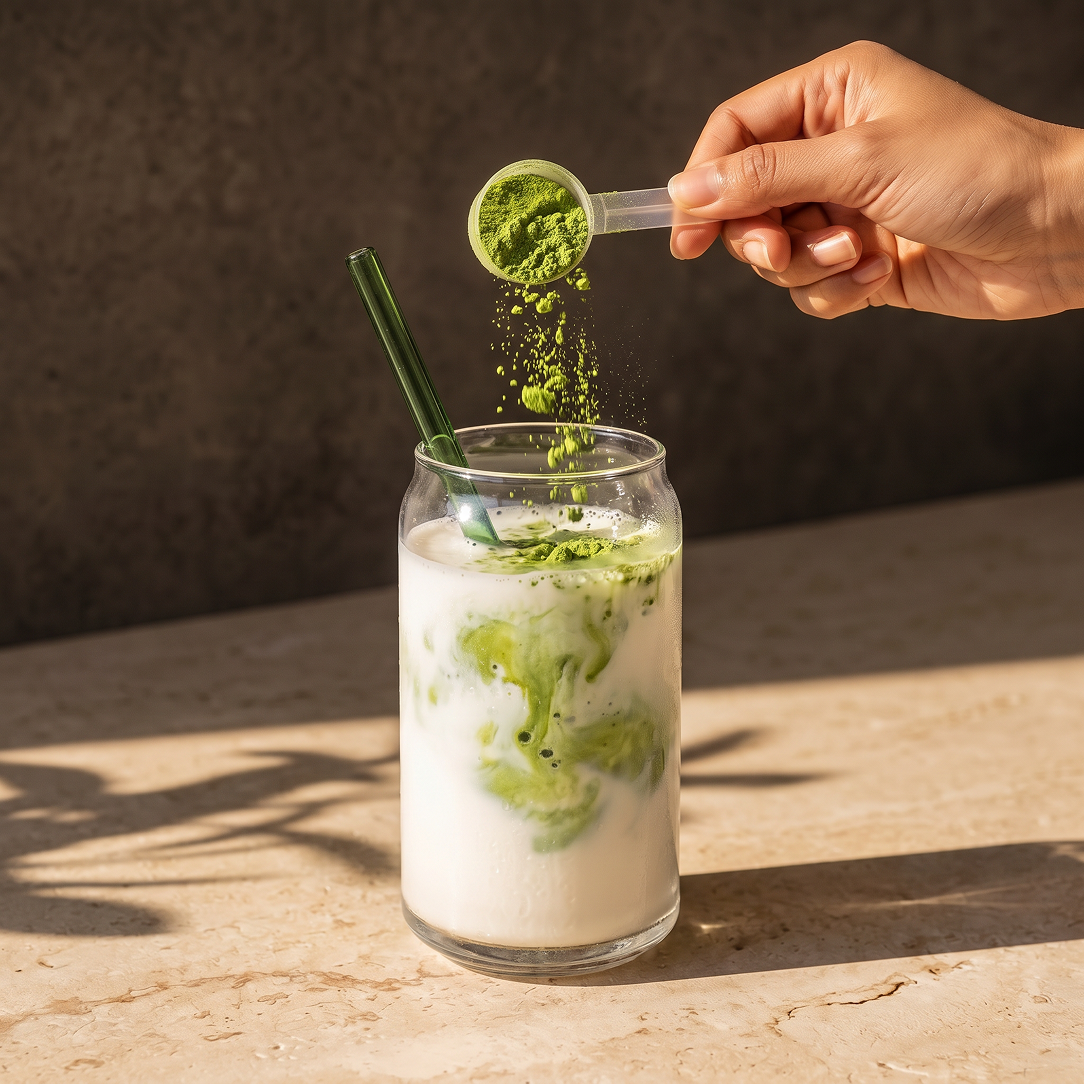
- Top with steamed milk for a matcha latte
- Mix with milk and serve over ice for an iced matcha latte
- Add a sweetener of choice to your tea or tea latte
- Blend with smoothies
- Mix a pinch into yogurt
- Use in baked goods
How to Use Greens Powder
Remember, no two greens powders are the same, and this definitely goes for the taste and texture! Some greens powders are grainy and offer the grassy flavor that many people associate with greens powders. Other greens powders, such as those from Bloom Greens and Superfoods, come in a variety of fun, although very sweet flavors.
My greens powder preference is Live it Up Super Greens. Available in two flavors—Original (sweet with a hint of mint) and Wild Berry (tart with a mild sweetness)—this fine powder mixes easily into drinks and is free of any grittiness. My favorite part about this formula is that you don’t have to fight to cover the greens flavor. Instead, Super Greens is refreshing and smooth, making it a pleasant addition to my morning routine!
Regardless of the greens powder you choose, here are some fun ways to add greens powders into your diet:
- Shake with 10-12oz of cold water
- Mix into juice or your milk of choice
- Mix with green tea for a refreshing iced green tea
- Sprinkle on top of yogurt
- Stir into vinaigrette and toss with a superfoods salad
- Blend into smoothies
- Add a scoop to overnight oats
Go Green with Live it Up Super Greens
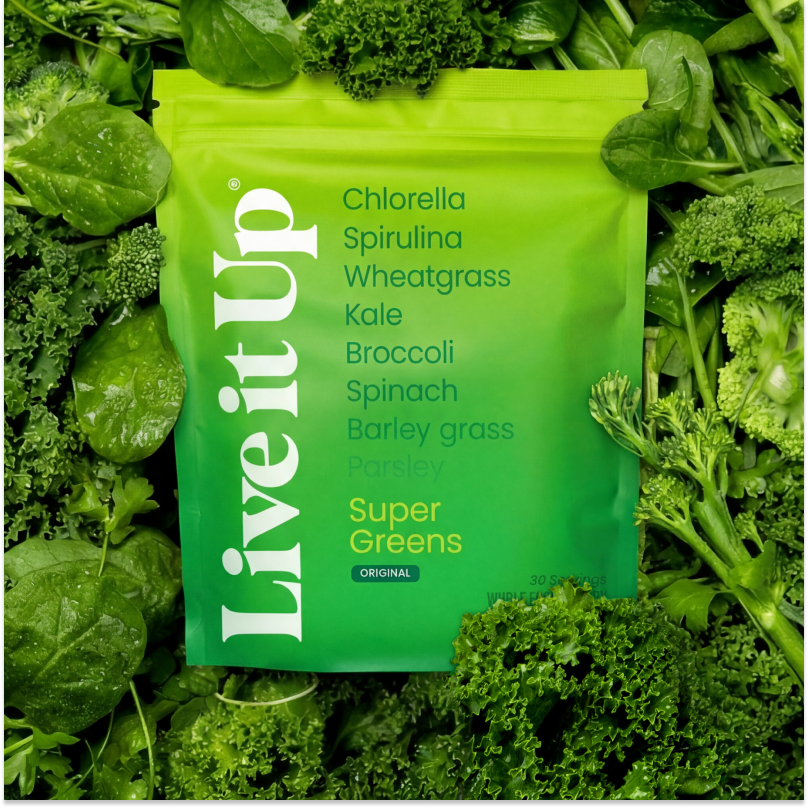
If you decide that a greens powder is the drink for you over matcha, I encourage you to give Live it Up Super Greens a try. As a registered dietitian, I love that this greens formula lives up to its claims:
- Two delicious flavors that are refreshing, free of a grassy taste, and mix easily with water or your morning smoothie.
- Affordable without sacrificing quality—the ingredients include organic superfoods and the formula is third-party tested, but you’re always paying a fair price.
- A variety of antioxidant-rich, nutritious superfoods, such as wheatgrass, kale, oat grass, nopal cactus, spirulina, broccoli, peppermint, and more!
- Probiotics, enzymes, and dietary fiber to support gut health
Of course, I recognize that everyone’s health needs and goals are unique; what works for you may be different than what works for me! But from my standpoint as a dietitian, Live it Up Super Greens is one of the most balanced, high-quality greens powders you can find. If you’re on the fence, give it a try and experience this greens powder for yourself!
FAQs about Matcha vs. Greens Powder
Still have questions about matcha versus greens powders? Let’s dive deeper into some frequently asked questions below.
Is matcha like greens powder?
No, matcha and greens powders are two different beverages. Matcha is a specific type of powdered green tea that is grown in Japan. Greens powders are health supplements that contain leafy greens and often a blend of other superfoods, probiotics, adaptogens, and prebiotics.
What is the difference between matcha powder and green tea powder?
Matcha powder is a type of green tea. This high quality variety is grown in shaded areas, giving the dried tea leaves a vibrant green color. Because of its unique growing conditions, matcha is higher in caffeine and offers a unique flavor that sets it apart from other green teas. Although you may find other types of powdered green teas, the powdered form does not necessarily make them matcha.
Is it okay to drink matcha every day?
Yes, it is okay to drink matcha every day especially since this tea offers a range of antioxidant benefits. Like all good things, limit your matcha intake to 1-2 cups per day to avoid any potential side effects that may be caused by the high caffeine dose or high catechin content.
Is greens powder actually good for you?
Yes, greens powder is actually good for you since it fills many of the superfood gaps left by the modern diet. Although some greens powders are better than others, whether that's because it uses organic ingredients or has a great taste, greens powders are a great way to supplement your diet to help your body feel its best. My favorite greens powder is Live it Up Super Greens.
Is green powder the same as matcha?
Although matcha technically comes as a green powder, it is not the same as green powder supplements. Green powder supplements contain leafy greens and other ingredients to support your overall health. Matcha is a powdered tea that, when whisked with water, makes for a delicious and distinct green tea.
This article is for informational purposes only and is not medical advice or individualized nutrition counseling. Please consult a qualified healthcare provider before making changes to supplements or medications. Any product or brand mentions are for general information and don’t guarantee results.
- https://www.amazon.com/dp/B01CKFH546/ref=sspa_dk_detail_0
- https://pmc.ncbi.nlm.nih.gov/articles/PMC7796401/
- https://www.health.harvard.edu/staying-healthy/matcha-a-look-at-possible-health-benefits
- https://pmc.ncbi.nlm.nih.gov/articles/PMC9792400/
- https://www.ncbi.nlm.nih.gov/books/NBK556002/
- https://pubmed.ncbi.nlm.nih.gov/24861099/
- https://naokimatcha.com/blogs/articles/how-matcha-is-made-in-japan
- https://www.cdc.gov/mmwr/volumes/71/wr/mm7101a1.htm
- https://www.ars.usda.gov/plains-area/gfnd/gfhnrc/docs/news-articles/2013/dark-green-leafy-vegetables
- https://www.everydayhealth.com/diet-nutrition/green-tea-vs-matcha-how-do-they-compare/
- https://www.mayoclinic.org/healthy-lifestyle/nutrition-and-healthy-eating/in-depth/caffeine/art-20045678