As a registered dietitian, I have spent years busting "hangover cure” myths. Truthfully, there is no magic pill, except time. The familiar symptoms of too much alcohol—headaches, muscle aches, sensitive stomachs, dizziness, and nausea—are often a direct result of dehydration, inflammation, oxidative stress, and your body being low on essential minerals.
The key to regaining your wellness after a night out is hydrating well and eating the right foods. Here's my list of foods and beverages that will help your mind and body return to peak form, while debunking a few hangover myths.
Why Hydration and Electrolytes Matter After Drinking Alcohol
Alcohol is a diuretic, meaning it increases the production of urine. This is what happens behind the scenes. The alcohol (which is ethanol) we drink blocks the anti-diuretic hormone (ADH). This "signals" the body to get rid of more fluid than it takes in, which can lead to rapid hydration loss. As our body goes into an overdrive of filtering water, it also loses essential electrolytes.
Drinking water, while hydrating, isn't always a holistic approach because:
- It doesn't provide the body with the essential nutrients. Electrolytes like sodium, potassium, calcium, and magnesium not only help restore fluid balance, but they are also crucial to cellular function and can help get your body back online.
- Plain water turns off the thirst sensors in the mouth, throat, and gastrointestinal tract. This means that when these sensors detect liquid, they send satiety signals to the brain, which prompts us to stop drinking before the water is actually absorbed by our cells.
Best Foods for Hangover
A more strategic approach to recovering from a hangover is to provide the body with a balanced dose of electrolytes and whole foods that may support hydration and nutrient depletion.
Electrolyte-Containing Foods and Drinks
Electrolyte foods and drinks can help replenish minerals lost to the body from drinking too much alcohol. These electrolytes are also crucial to numerous cellular processes. Research shows that a lack of electrolytes can compromise the body's ability to retain fluids and impact how food moves through the digestive tract, contributing to stomach upset, bloating, and acidity. Magnesium, on the other hand, plays a crucial role in supporting the body's inflammatory response to drinking.
Good sources of electrolyte-rich foods and drinks are:
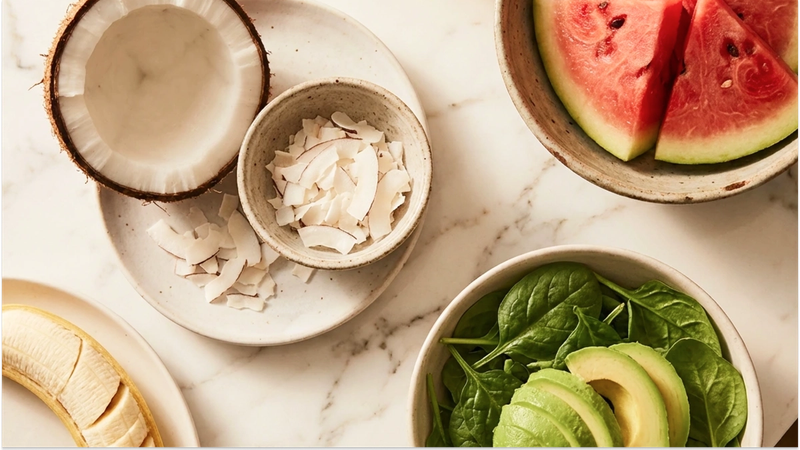
- Fruits like bananas and avocados
- Pickles or pickled juice
- Vegetables like spinach, sweet potatoes, and kale
- Yogurt
- Bone or soup broths
- Coconut water
- Green tea
- Electrolyte beverages like Live it Up Vital Minerals that provide balanced rehydration that’s faster than water


Dietitian Tip

A homemade concoction of herbs like turmeric, ginger, mint, lemon, and black pepper can also support an upset stomach. Boil the listed ingredients for 5-10 minutes, strain, and sip throughout the day. You can add a dash of honey if you like a sweeter option.
Fruits and Vegetables
Alcohol can create oxidative stress, and the antioxidants from fruits and vegetables can help neutralize these molecules and support the body's immune and inflammation response. Fruits and vegetables with high water content are an excellent way to get in fluids. The additional nutrients from these may also help with tiredness.
So think along the lines of the following water-rich foods with antioxidants like:
- Watermelon and cantaloupe
- Cucumbers
- Tomatoes
- Papaya
- Citrus like oranges and grapefruit
- Pomegranates
- Berries like strawberries, blueberries, and raspberries
Carbohydrates
Simple carbohydrates may help settle the stomach and provide starch and micronutrients that may help fight off sluggishness. Carbohydrates also contain natural sugars like fructose and lactose that the body needs to produce energy. Try to go for bland foods like
- Toast
- Crackers
- Bagels
- Rice
- Oats
Proteins
Quality protein sources like eggs, chicken, turkey, yogurt, and tofu can help restore metabolic processes like digestion and ensure essential nutrients reach the brain and muscles. Protein can also re-establish levels of a powerful antioxidant called glutathione, which plays an essential role in breaking down the alcohol in our bloodstream.
Dietitian Tip
To maximize recovery, consider pairing protein with vitamin C. My favorite combination is scrambled eggs with a side of strawberries, tomatoes, or orange juice.
Hydration Tips After a Night Out
So you've had a heavy drinking night, here's what you can do to help yourself with the fatigue, nausea, and headaches:
- Sip fluids throughout the day, rather than gulping them. When we gulp fluids, it sets off the "bolus effect," which signals our body to immediately flush out the excess amount. When we sip consistently, our cells do a better job at absorbing the liquids.
- Combine water with electrolyte mixes that not only restore fluids but also offer important minerals like sodium, potassium, and calcium.
- Include water-rich foods like cucumbers, watermelon, and oranges in your diet alongside some good proteins and complex carbohydrates.
Hangover Myths: Foods and Drinks to Avoid
While tempting, here are some foods you may want to avoid after excessive drinking.
Fatty and fried foods
It's a common myth that fried, greasy food will "soak up" the alcohol. On the contrary, science tells us that ethanol actually cuts through the grease from fried and oily foods like French fries, burgers, and cheesy pizzas. It may not slow down blood alcohol absorption and could aggravate your hangover.
Heavy meals like the popular "Big Fry Up breakfast" that include comfort items like fried bread, sausages, and bacon can further irritate a sensitive stomach and potentially lead to indigestion. Also, processed foods are linked to inflammation, which could hamper your recovery. The only redeeming quality of this approach is the protein content.
Caffeine
A cup of coffee may sound like a pick-me-up, but remember that caffeine is a stimulant. While there is no research on how caffeine aids hangovers, there is research on how mixing caffeine and alcohol doesn't help the adverse effects of alcohol. A 2015 study of university students suggested that mixing caffeine and alcohol doesn't prevent a hangover. Also, caffeine may disrupt sleep, which may further hamper your recovery process.
Carbonated sodas
A fizzy drink as a hangover fix is a common craving. Yes, sodas may help with burping, and the physical sensation of carbonation may aid with nausea, but they need to be approached with caution. These drinks often have a high sugar content, which can potentially worsen the dehydration symptoms. Also, as most alcoholic drinks already have a high sugar content, adding more sugar through soda could impact any weight management goals you may have.
Dietitian Tip
The bubbles from a carbonated drink may sound appealing to an uneasy stomach. If you need to reach for a fizzy drink, opt for sparkling water. You can even infuse your sparkling water with Live it Up Vital Minerals to help balance the electrolyte ratios and nutrients in your system.
Red meat
Studies suggest that the high-fat content of red meat can amplify your nausea and hangover symptoms. Fatty meats like beef, pork, and goat often take longer to digest and require more stomach acid and digestive enzymes to process. This can irritate the stomach lining, which is probably already inflamed due to the alcohol. As a by-product, your body's inflammatory markers will continue to rise, potentially prolonging recovery.
More alcohol
One of the oldest “remedies” in the book for an alcohol hangover is to "cure" it by drinking more alcohol. While this approach may make you feel better due to the hit of dopamine, it's temporary. In reality, you are simply delaying the inevitable, and consuming alcohol will compound your symptoms.
More alcohol directly impacts your body's glutathione stores. With compromised glutathione levels, your liver has a harder time breaking down the toxic byproducts of drinks. You're also forcing your liver to deal with newer toxins that you introduced with more drinks, instead of letting it focus on last night's "backlog."
Try Live it Up Vital Minerals to Help After a Hangover
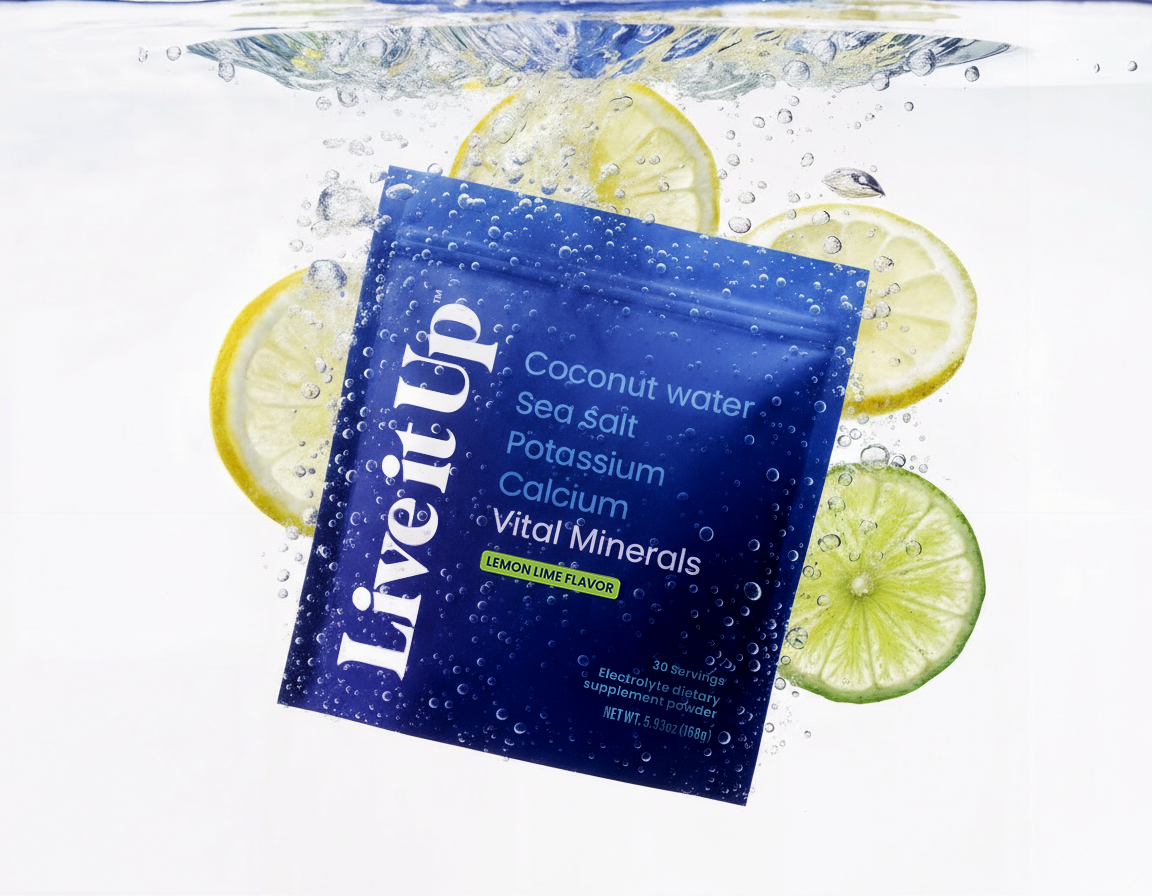
A night of heavy drinking doesn't just dehydrate us—it can trigger inflammation that may suppress our appetite. When our body rejects food, electrolytes can be a great alternative to kickstart hydration recovery.
Live it Up Vital Minerals is a kosher and halal-friendly electrolyte mix featuring essential trace minerals like sodium, potassium, and calcium. It's designed to help you feel refreshed by restoring electrolytes lost with alcohol. The blend also incorporates vitamin C, which can support natural energy metabolism and combat oxidative stress.
Other reasons that make Vital Minerals a wholesome choice are:
- It's third-party tested and made with non-GMO ingredients.
- There's no fillers, colors, artificial sweeteners, or added sugar.
- It's offered in five delicious flavors: Lemon Lime, Pomegranate Mango, Watermelon, Pineapple Coconut, and Strawberry Lemonade
- It’s formulated with coconut water powder and sea salt, which provide naturally occurring potassium and sodium.
Vital Minerals costs under a dollar per serving with a subscription, making it easy, affordable, and delicious to hydrate smarter, not harder.
FAQs About the Best Hangover Foods
Will "hair of the dog" cure a hangover?
It's a myth that drinking more alcohol (which is what "hair of the dog" is) will help hangover symptoms. Instead, increased alcohol consumption will strain your system and probably worsen your symptoms. It may also contribute to a cycle of alcohol dependence. There’s no quick cure to a hangover. The best thing you can do is give your body time, but the process can be aided by rehydration, sleep, and nutritious foods.
What food best soaks up alcohol?
No food will soak up alcohol after it's in your bloodstream. Instead, eating a protein or electrolyte-rich meal before a night of drinking can possibly delay how much alcohol is absorbed by the body.
What are the symptoms of a hangover?
Symptoms of a hangover begin once blood alcohol levels start to wear off and show up as dehydration, headaches, fatigue, vomiting, brain fog, and dizziness.
This article is for informational purposes only and is not medical advice or individualized nutrition counseling. Please consult a qualified healthcare provider before making changes to supplements or medications. Any product or brand mentions are for general information and don’t guarantee results.
- https://health.clevelandclinic.org/why-fried-food-is-bad
- https://www.herefordtimes.com/news/23182963.gp-explains-shouldnt-eat-fry-up-hungover/
- https://health.clevelandclinic.org/does-coffee-help-hangovers
- https://www.uchicagomedicine.org/forefront/gastrointestinal-articles/what-foods-cause-or-reduce-inflammation
- https://www.ncbi.nlm.nih.gov/books/NBK459280/
- https://pmc.ncbi.nlm.nih.gov/articles/PMC6770193/
- https://www.medicalnewstoday.com/articles/326196
- https://www.health.harvard.edu/staying-healthy/7-ways-to-cure-your-hangover
- https://pmc.ncbi.nlm.nih.gov/articles/PMC7019700/
- https://www.healthline.com/nutrition/best-foods-to-eat-before-drinking
- https://www.scientificamerican.com/article/does-thirst-start-in-the-mouth-or-the-gut
- https://www.healthline.com/nutrition/functions-of-protein#TOC_TITLE_HDR_3
- https://my.clevelandclinic.org/health/body/proteins
- https://pmc.ncbi.nlm.nih.gov/articles/PMC4818021/
- https://www.mdpi.com/1420-3049/21/1/64
- https://www.healthline.com/health/how-long-does-it-take-to-digest-food#impact-of-foods