As kids, we're told to eat bananas because they're chock full of potassium. However, it wasn't until I became a registered dietitian that I began to fully understand and appreciate the many benefits of potassium.
What's more, I learned that, besides eating bananas, there are countless other ways to increase potassium intake. You can add potassium-rich foods to your diet, take potassium supplements, and even consume electrolyte powder to boost your potassium levels.
Below, I'll address eight of the many potential benefits of potassium you may experience and how to add more of this mineral to your diet through food and electrolyte drinks like Live it Up Vital Minerals:
- Supports hydration
- May help with water retention
- Aids muscle function
- Helps with athletic recovery
- Supports bone health
- Aids energy production
- Supports brain health
- Helps with kidney function
What Is Potassium?
Potassium (K) is an essential mineral and electrolyte found in all living cells, including those in your body. In fact, potassium is in your muscles, bones, liver, and red blood cells.
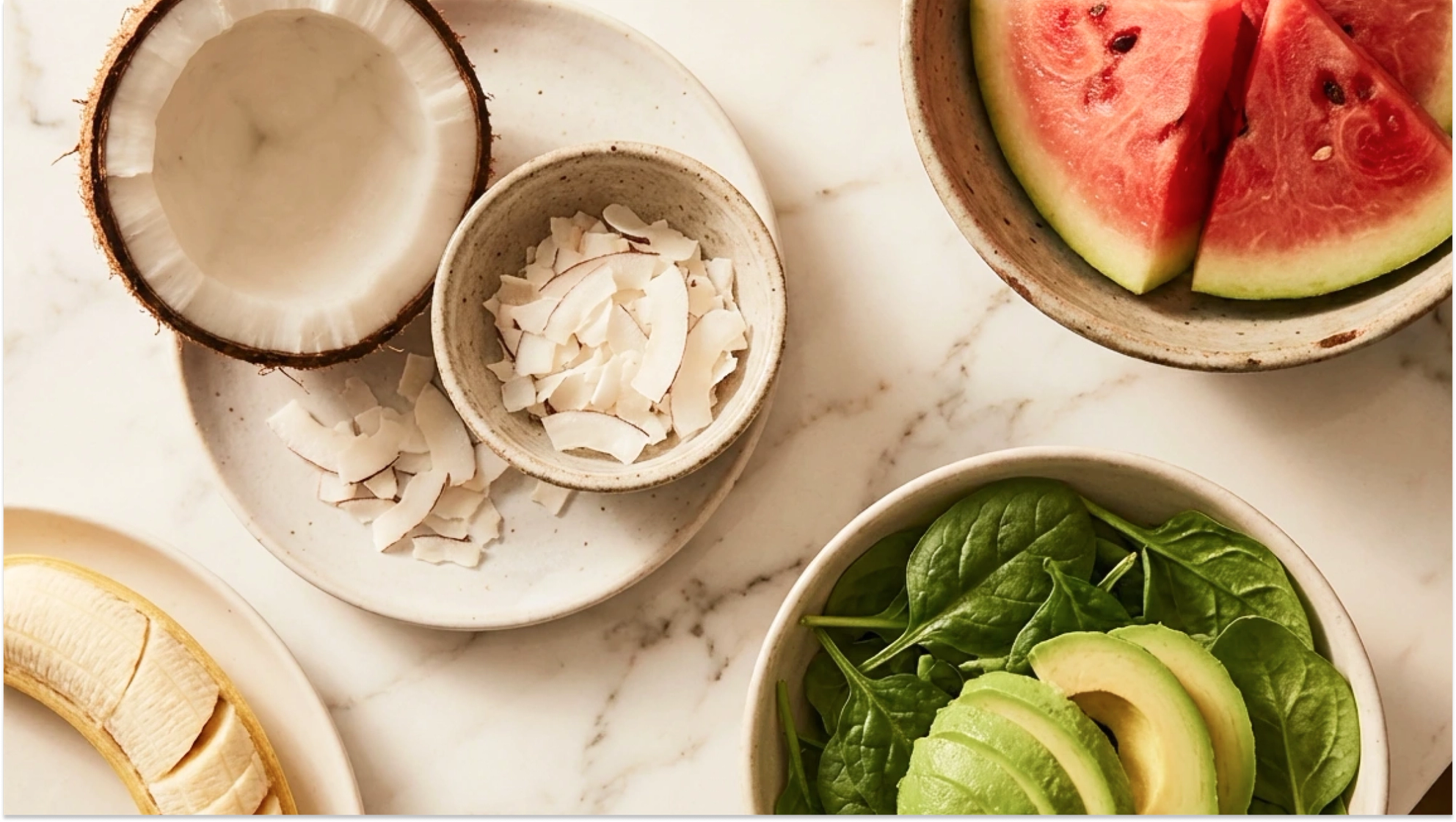
However, the nutrient is also naturally found in a variety of foods, such as dairy products, legumes, fruits, and vegetables. Some potassium-rich foods include bananas, spinach, lentils, and yogurt.
While most people who eat healthy, balanced diets will consume adequate amounts of potassium, you can increase your potassium intake by taking potassium supplements in liquid, tablet, and powder form.
How Much Potassium Per Day?
It's important to be mindful of how much potassium you're consuming on a daily basis, as too much—and too little of it—may negatively impact your health.
Men require slightly more potassium than women. The National Institutes of Health recommends:
- Men aged 19+ should consume 3,400 mg of potassium per day
- Women aged 19+ should consume 2,600 mg of potassium per day
8 Potential Potassium Benefits
Potassium is a powerful mineral with a variety of benefits, from helping hydrate your body after an intense workout to supporting your bone mineral density. Follow along to discover just eight of the many potassium benefits.
1. Supports Hydration
Potassium is an electrolyte, which means it carries an electric charge when dissolved in fluids. This electrical charge helps manage chemical reactions in your body. In simpler terms, electrolytes create impulses that tell your body what to do.
Electrolytes, like potassium, play an important role in hydration, as they are responsible for regulating the amount of water in your cells. Potassium helps manage water movement inside your cells , ensuring adequate fluid and electrolyte balance for proper cell function.
Potassium, in combination with other essential electrolytes, such as sodium, can help restore lost fluids. If you've sweated and lost fluids after spending time outdoors in a hot climate, completing an intense workout, or after an illness, potassium can help rehydrate your body.


Did You Know?

Sometimes regular water is not enough to rehydrate and restore fluid balance, especially after you've lost a lot of fluids. Consuming electrolytes, such as potassium and sodium, can help you recover optimal hydration.
2. May Help Reduce Water Retention
Just as potassium can restore lost fluids, it can also help reduce water retention in your body, which can occur when fluids are trapped in your tissue.
Because the mineral is responsible for maintaining fluid balance, it can stabilize your sodium intake, helping to prevent fluid buildup and swelling. Increasing your potassium intake may address bloating and help you feel less puffy.
3. Aids Muscle Function
Potassium also supports muscle function. This is due to the fact that it helps send electrical signals to the muscles, directing them to contract or relax. Potassium also manages the fluid inside your cells, ensuring your muscles are adequately hydrated so they can properly function. If you're low on potassium, you may experience muscle weakness, cramps, and spasms.
4. Helps with Athletic Recovery
Potassium may help you recover after physical activity in several ways.
The mineral can help rehydrate your body, restore electrolyte balance, and support muscle function, but it is also responsible for replenishing glycogen. Glycogen is a form of glucose, a source of energy, that can help repair and build your muscles, while preventing muscle fatigue and cramps. Potassium helps move glucose into the muscle cells, restoring the glycogen levels, which fuel the muscles. This process supports post-exercise recovery.
5. Supports Bone Health
Studies suggest that higher levels of potassium have a positive effect on bone health. Potassium helps your kidneys manage calcium, which is vital for building and maintaining strong bones. Potassium can prevent urinary calcium excretion and maintain calcium balance within the kidneys. This helps with calcium loss and neutralizes acid load, which can lead to normal bone mineral density.
6. Aids Energy Production
Potassium influences several metabolic processes in your body, which means it also supports energy production. Potassium supports the enzymes that convert carbohydrates into Adenosine Triphosphate (ATP). ATP is considered the energy currency of cells, providing usable energy for essential cellular activities. For example, your cells use ATP to help fuel muscle contraction.
7. Supports Brain Health
Furthermore, potassium may play a role in your brain health, as higher potassium levels are associated with normal cognitive function. Alternatively, low levels of potassium and lack of hydration may impair brain function. If you don't have adequate potassium levels, you may experience confusion or brain fog, making it difficult to focus and think clearly.
8. Helps with Kidney Function
Potassium and your kidneys have a symbiotic relationship. Potassium helps with inflammation and protects the kidneys from oxidative stress, while the kidneys help maintain the proper balance of potassium in your body. If you have too much potassium in your system, your kidneys will filter out the excess through urine.
Possible Side Effects of Potassium
Potassium is essential to your health, but excess potassium due to over-supplementation or certain medications can cause various symptoms, such as stomach discomfort, nausea, and diarrhea. If your potassium levels are too high, which is a condition known as hyperkalemia, you may experience more serious health issues like muscle weakness.
If you believe you may be experiencing symptoms of hyperkalemia, consult your doctor about your potassium levels and next steps.
Potassium-Rich Foods and How to Get More in Your Diet
Consuming foods high in potassium is one of the easiest ways to increase your potassium intake. The good news is that there are all kinds of electrolyte foods that contain this essential mineral, such as dairy, fish, nuts, seeds, fruits, and vegetables. Some examples include:
- Bananas, avocados, and dried apricots
- Leafy greens, like Swiss chard, spinach, and kale
- Potatoes (with skin), yams, and acorn squash
- Lentils, kidney beans, soybeans, and white beans
- Almonds, peanuts, and sunflower seeds
- Salmon, tuna, and halibut
- Milk and yogurt
Hydration powders, also called electrolyte powders, can increase potassium intake as well. These powders contain potassium, along with other vital electrolytes, such as sodium, calcium, or magnesium, and vitamins to help support hydration and replenish lost fluids.
The best hydration powders provide an easy and convenient way to support your potassium levels, especially after heat exposure or physical activity.
Boost Your Potassium Intake With Live it Up Vital Minerals
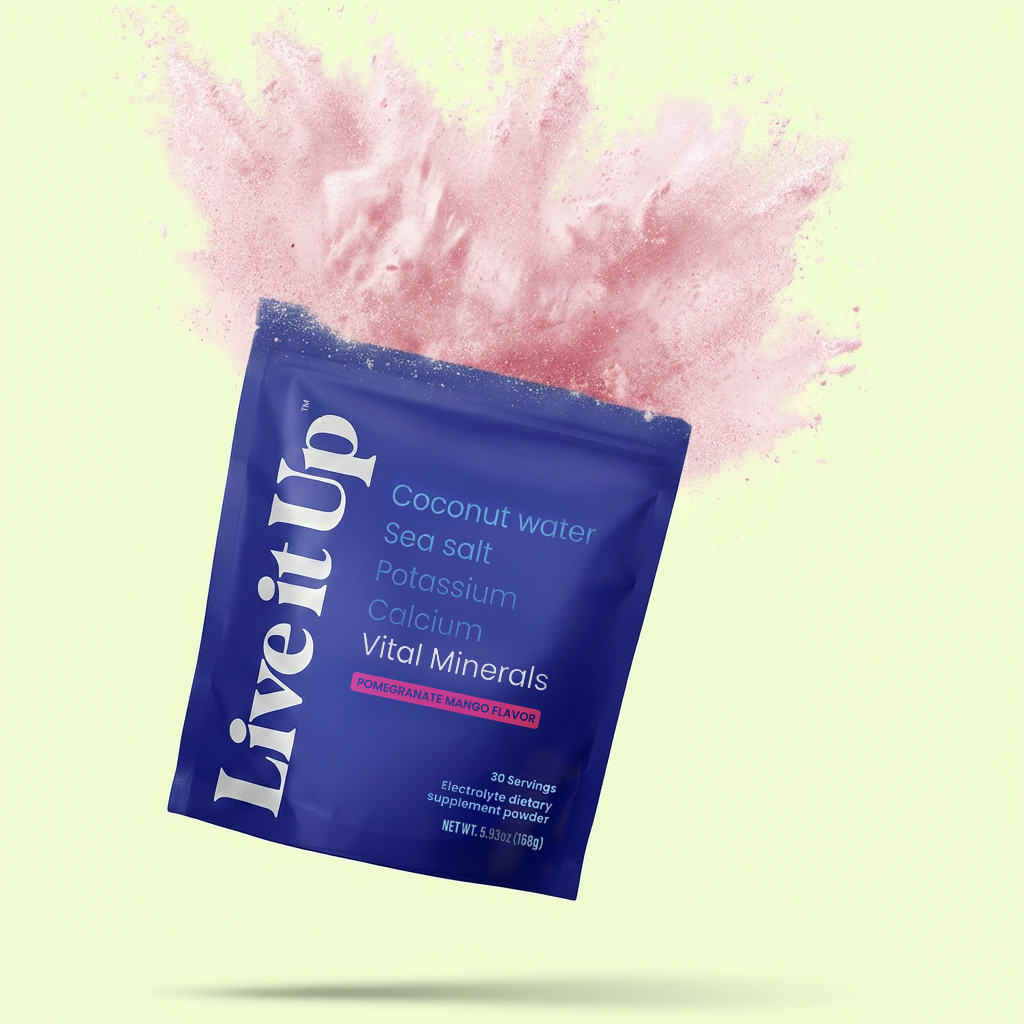
If you're looking for a convenient (and delicious!) way to add more potassium to your diet, try Live it Up Vital Minerals.
Vital Minerals is a hydration powder that contains 300 mg of potassium, along with sodium, calcium, vitamin C, and coconut powder. This non-GMO formula contains an excellent balance of electrolytes (a 2:1 sodium to potassium ratio) to support daily hydration.
It's also free of added sugar, artificial sweeteners, and artificial additives and comes in five refreshing flavors: Lemon Lime, Pomegranate Mango, Watermelon, Pineapple Coconut, and Strawberry Limeade.
While everyone's health goals and preferences differ, an electrolyte powder offers an excellent way to boost your potassium intake, replenish lost fluids, and hydrate your body. Give Live it Up Vital Minerals a try and see for yourself!
Potassium FAQs
Check out some frequently asked questions below to discover more about potassium.
What are five benefits of potassium?
Potassium can help support hydration, bone health, brain health, muscle function, and athletic recovery. These are just five of the many benefits of potassium, as this essential mineral supports various vital functions in your body, from maintaining fluid balance to contributing to metabolic processes.
What’s the difference between potassium chloride and potassium citrate?
Potassium chloride and potassium citrate are both types of potassium, but they have different uses. Potassium chloride is a dietary supplement designed to address hypokalemia (low potassium levels), while potassium citrate supplementation focuses on acidity in the kidneys and supports kidney health.
If you're taking a dietary potassium supplement or using an electrolyte hydration powder like Live it Up Vital Minerals, it will likely contain the mineral in the form of potassium chloride.
Why do I feel better after taking potassium?
When you're low on potassium, you may experience fatigue, bloating, and muscle weakness. Therefore, you may feel better after taking potassium because it helps to restore fluid and electrolyte balance in your body. This powerful mineral can help hydrate your body, which consequently can assist with brain health, energy levels, and muscle function.
What happens when your potassium is low?
When your potassium levels are low, you may experience a variety of symptoms, such as thirst, irregularity, fatigue, and muscle weakness and cramping. If you experience any of these health conditions, you may want to consider increasing your potassium intake. Speak with your healthcare provider about what’s best for you.
What foods are highest in potassium?
Some examples of foods with high levels of potassium include Swiss chard, potatoes, yam, spinach, and avocado. For instance, one cup of Swiss chard has 961 milligrams of potassium, while a baked potato with skin has 926 milligrams of potassium. You can also increase your potassium intake by consuming electrolyte powders like Live it Up Vital Minerals.
This article is for informational purposes only and is not medical advice or individualized nutrition counseling. Please consult a qualified healthcare provider before making changes to supplements or medications. Any product or brand mentions are for general information and don’t guarantee results.
- https://www.mdpi.com/2075-1729/12/2/301
- https://www.healthline.com/nutrition/what-does-potassium-do#uses
- https://ods.od.nih.gov/factsheets/Potassium-Consumer/
- https://my.clevelandclinic.org/health/diagnostics/21790-electrolytes
- https://health.clevelandclinic.org/potassium
- https://www.healthline.com/nutrition/6-ways-to-reduce-water-retention
- https://www.mayoclinic.org/symptoms/low-potassium/basics/when-to-see-doctor/sym-20050632
- https://pmc.ncbi.nlm.nih.gov/articles/PMC3905295/
- https://my.clevelandclinic.org/health/articles/23509-glycogen
- https://pmc.ncbi.nlm.nih.gov/articles/PMC6997142/
- https://pubmed.ncbi.nlm.nih.gov/28093633/
- https://www.ncbi.nlm.nih.gov/books/NBK553175/
- https://doralhw.org/dementia-and-brain-health-the-role-of-key-minerals/
- https://my.clevelandclinic.org/health/diseases/17740-low-potassium-levels-in-your-blood-hypokalemia
- https://pubmed.ncbi.nlm.nih.gov/17634402/
- https://www.kidney.org/news-stories/six-steps-to-controlling-high-potassium
- https://pmc.ncbi.nlm.nih.gov/articles/PMC5053786/
- https://my.clevelandclinic.org/health/diseases/15184-hyperkalemia-high-blood-potassium
- https://journals.physiology.org/doi/full/10.1152/ajprenal.1998.274.5.F868
- https://www.goodrx.com/well-being/supplements-herbs/potassium-chloride-vs-potassium-citrate-whats-the-difference
- https://www.sharp.com/health-news/where-to-find-potassium-other-than-bananas