Moringa and matcha are green, leafy herbs with rich histories in traditional herbal medicine. As a dietitian, I get quite a few questions about whether they’re beneficial to take daily.
While both supplements offer an abundance of antioxidants, it’s important to consider the drawbacks of each to understand which may best suit your individual needs. After thorough research, I've found that moringa wins this superfood comparison as it contains much more nutrition.
Below, I’ll review the pros and cons of moringa vs. matcha, including potential health benefits and possible side effects, to help you find the best supplement match.
Moringa vs. Matcha Powder at a Glance
Moringa Powder | Matcha Powder | |
|---|---|---|
Best for | People looking to fill nutrient gaps | People looking for an energy boost |
Nutrient quality (per 1 Tbsp powder) |
|
|
Taste | Light veggie flavor, slightly spicy, more savory | Earthy, slightly sweet, grassy undertones |
Supplement form | Live it Up Super Greens | Powder, capsules |
What Is Moringa Leaf Powder?
Officially known as Moringa oleifera and unofficially known as the tree of life or miracle tree, the moringa tree grows in tropical and sub-tropical regions worldwide. Considered highly nourishing, almost all parts of this herbaceous plant are rich in essential nutrients, though most moringa supplements are made from nutrient-dense leaves ground into a fine powder.
In addition to calcium, potassium, and iron, moringa oleifera leaves also contain magnesium and vitamins C, B6, B2, and A. With such an abundance of nutrition, it’s no wonder this tree has been used for thousands of years in traditional medicine.
Moringa Pros
- High all-around nutritional value
- Rich in antioxidants
- Caffeine-free
- Potential health benefits include: helping inflammation, supporting brain health, binding with arsenic in the body
Moringa Cons
- Contains tannins that may reduce iron absorption
What Is Matcha Powder?
An important part of Japanese culture, matcha is a type of Japanese powdered green tea specially cultivated to contain a plethora of bioactive compounds. Shading the camellia sinensis tea plant from sunlight allows for high chlorophyll content, additional theanine, and essential amino acids. The leaves are then dried and ground to produce the vibrantly colored powder we know as matcha.
Matcha is rich in several types of antioxidants, including the phenolic compound epigallocatechin-3-gallate (ECGC), the powerful phytonutrient green tea is renowned for. Some types of matcha may also contain vitamin C, though there are not many other vitamins or minerals in measurable amounts.
Matcha Pros
- Rich in antioxidants
- Potential health benefits may include: helping inflammation, supporting cognitive function, and supporting a healthy metabolism
Matcha Cons
- Contains caffeine (could be a pro depending on your needs)
- Contains tannins which are considered antinutrients
- High doses of catechins may impact liver function
Potential Health Benefits of Moringa vs. Matcha
As herbal remedies used in traditional medicine, moringa and matcha have a storied history dating back thousands of years.
While scientists still have a long way to go in discovering all the benefits these two plants may offer, here are a few research-backed reasons to include these superfood powders in your daily routine.
Moringa Health Benefits
- Excessive inflammation in the body is a foundation of poor long-term health. Moringa can target inflammation due to its strong antioxidants and phyto-compounds that help to protect against free radical damage.
- Moringa may also work to support brain health. The leaves contain polyphenols, glycosides, and terpenoids that help to increase dopamine while also helping to down-regulate compounds that contribute to cognitive decline.
- Interestingly, Moringa may also bind to arsenic and help carry it out of the body. Arsenic is a naturally occurring element found in water, air, and soil, and exposure to too much arsenic may pose a threat to our health.
- In addition to these health benefits, moringa may support immune function through its many micronutrients.
Matcha Health Benefits
Matcha is well-known for its biologically active phytocompounds, specifically theanine, caffeine, and various antioxidants.
- Because matcha is grown in the shade, it has an abundance of theanine. This amino acid is not only partially responsible for matcha’s interesting taste, but may also help with concentration, mood, and stress.
- What matcha is most known for is its high concentration of epigallocatechin-3-gallate, or EGCG. This antioxidant has been linked with neuroprotective effects; potentially helping to slow cognitive decline and helping reduce oxidative stress in the brain.
- Interestingly, matcha may also support a healthy metabolism. One study indicated that women who drank matcha before walking tended to burn more fat during exercise. While this was a small study and, therefore, not a good representation of what may happen to the general public, it’s a compelling area to watch for more research.
Possible Side Effects
As with all supplements, vigilance is needed to weigh whether the benefits of adding a product outweigh any potential side effects. While your primary care professional can help you navigate how a supplement may interact with any current health conditions, here are some possible side effects of matcha and moringa to be aware of.
Moringa Side Effects
While Moringa is generally considered safe with few side effects, some people may experience GI discomfort, such as gas and bloating.
Moringa also contains tannins, which are plant compounds that bind to iron, reducing how much we can absorb and use. With that said, studies show that while tannins may acutely impact iron absorption, such as at one meal, people’s long-term iron status is likely not affected.
Matcha Side Effects
As with moringa, matcha is generally safe to take, with the caveat that some people may experience
- GI distress, such as diarrhea
- Anxiety or sleep pattern disturbances from the caffeine content
Additionally, while catechins such as EGCG may provide benefits, they may also be linked with drawbacks. For example, a recent study indicated that green tea may negatively impact liver health in some people. Catechins, like tannins, may also impact our ability to absorb iron.
How to Use Moringa vs. Matcha
Matcha and moringa can be taken as powders or capsules. Helpfully, many greens powders already include matcha and/or moringa in their nutrient profile.
While both superfood powders have similar earthy and slightly bitter flavors, their distinct flavor undertones truly drive how these supplements are added to the diet.
Matcha taste and how to use
High-quality matcha has a slightly sweet taste with a lighter grassy undertone. Since the caffeine content of matcha powder is about 40-80mg per 8 ounces, matcha is often taken during low-energy times of the day.
The most common preparation method is adding matcha to a warmed beverage, such as hot water, milk, or a milk alternative, and drinking it as matcha tea or a matcha latte. Other ways to enjoy matcha include
- Adding it to smoothies
- Mixed into yogurt
- Added to baked goods
- Sprinkled on strawberries
Moringa taste and how to use
Moringa has a slightly deeper vegetable taste with spicy undertones, lightly reminiscent of horseradish or arugula.
Because of this flavor profile, moringa may work better with savory foods, such as adding it to hummus, eggs, or other savory dishes. However, moringa also works well mixed into juice or smoothies.
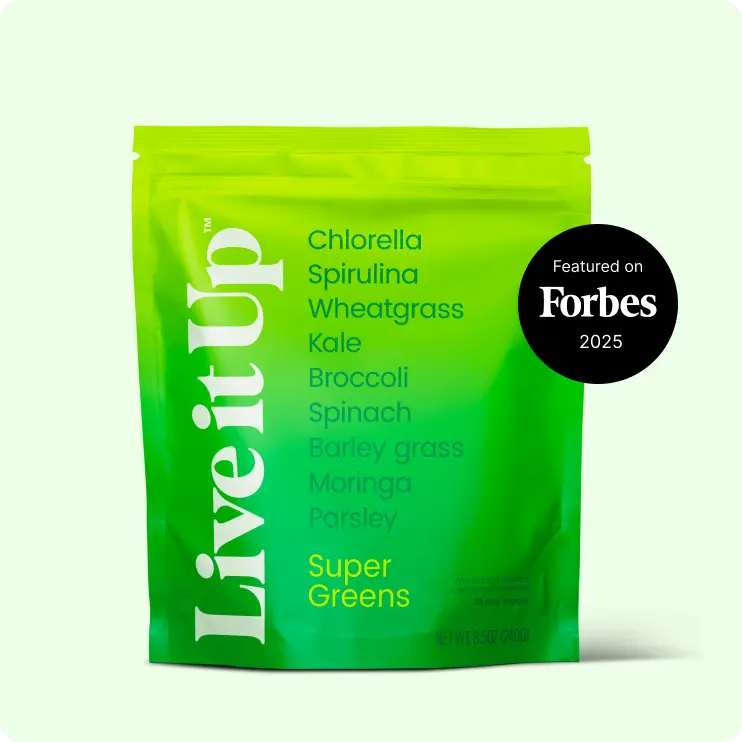
Dietitian Tip: A great way to try moringa powder is in great-tasting greens powder. In Live it Up Super Greens, moringa is paired with other nutritious superfoods in a delicious greens blend that comes in fresh mint or wild berry flavors.
Why Try Moringa-Rich Live it Up Super Greens
Overall, both matcha and moringa are chock-full of antioxidants and have the potential to provide a trove of health benefits. But as a dietitian, I usually recommend moringa over matcha as it is a more well-rounded and nutritive plant, providing more comprehensive support.
How can you fit moringa into your daily routine? The great news is that Live it Up Super Greens contains moringa, making taking this powder convenient and tasty. Not only that, but Super Greens is packed with a variety of effectively dosed superfoods, 5 billion CFU probiotics, and 3 digestive enzymes—adding even more nutrition to your everyday diet.
It’s important to keep in mind that everyone’s needs are unique. While moringa may work well in many diets and for several goals, be sure to chat with your dietitian or health care professional to understand what supplements may work best with your goals and current health.
Frequently Asked Questions
Still having trouble deciding between matcha vs. moringa powder? Check out our FAQs below.
Which is better, moringa or matcha?
While both these plants have quite a dose of antioxidants, in a head-to-head match-up of moringa vs. matcha, moringa wins. This superfood contains more vitamins, minerals, and essential amino acids, making it a more well-rounded and nutrient-rich plant.
In terms of side effects, matcha may have more than moringa. First, matcha contains caffeine, which may or may not align with your health goals. Additionally, while matcha and moringa contain tannins that could affect iron absorption, matcha also contains the antioxidant EGCG, which in high amounts may negatively impact liver function.
Can you mix matcha and moringa together?
Absolutely. Mixing Moringa oleifera and matcha may be a combination that works well for your individual goals. Incorporating half moringa and half matcha will help boost your antioxidant intake while also getting more micronutrients from moringa. You may mix them together in a beverage, as part of a smoothie, or as an enhanced matcha latte.
While both matcha and moringa are generally well-tolerated, some people may experience more side effects from taking too much matcha, so be aware of your dosing and stay within safe limits. For example, caffeine acts on the nervous system, potentially causing sleep disruptions or anxiety.
Is it okay to drink Moringa every day?
Yes, it is usually considered safe to consume moringa daily. Most supplements are available in either capsule or powder form. One of the most convenient ways to take moringa is combined with a daily, nutrient-packed greens powder like Live it Up Super Greens. Always check with your healthcare provider before starting a new supplement.
Can moringa reduce belly fat?
No, moringa supplements cannot target belly fat. However, some studies indicate that when combined with exercise and diet, moringa may support healthy weight goals. In this study and another, participants were given a supplement combining moringa, turmeric, and curry, so more research is needed on which may have had the most impact on weight.
For weight loss, the most important factors are dietary changes to include more whole foods within a calorie deficit, as well as increasing physical activity.
Is moringa the healthiest?
Moringa’s benefits may include aiding inflammation, supporting brain health, and binding with arsenic in the body to help remove it. Some studies show that it may play a role in supporting a healthy metabolism. Additionally, moringa is quite nutritious, containing many vitamins, minerals, and antioxidants that can promote overall well-being.
This article is for informational purposes only and is not medical advice or individualized nutrition counseling. Please consult a qualified healthcare provider before making changes to supplements or medications. Any product or brand mentions are for general information and don’t guarantee results.
- https://fdc.nal.usda.gov/food-details/2398189/nutrients
- https://fdc.nal.usda.gov/food-details/2398187/nutrients
- https://www.healthline.com/nutrition/6-benefits-of-moringa-oleifera#TOC_TITLE_HDR_2
- https://pmc.ncbi.nlm.nih.gov/articles/PMC7796401/
- https://pmc.ncbi.nlm.nih.gov/articles/PMC7231151/
- https://pmc.ncbi.nlm.nih.gov/articles/PMC9030530/
- https://pmc.ncbi.nlm.nih.gov/articles/PMC9916933/
- https://pubmed.ncbi.nlm.nih.gov/20661662/
- https://www.who.int/news-room/fact-sheets/detail/arsenic
- https://pmc.ncbi.nlm.nih.gov/articles/PMC7796401/
- https://pmc.ncbi.nlm.nih.gov/articles/PMC9792400/
- https://pubmed.ncbi.nlm.nih.gov/29345213/
- https://pmc.ncbi.nlm.nih.gov/articles/PMC5998341/
- https://onlinelibrary.wiley.com/doi/10.1155/2022/2307486
- https://pubmed.ncbi.nlm.nih.gov/29923305/
- https://pubmed.ncbi.nlm.nih.gov/22995673/
- https://fdc.nal.usda.gov/food-details/2398189/nutrients
- https://fdc.nal.usda.gov/food-details/2398187/nutrients
- https://www.healthline.com/nutrition/6-benefits-of-moringa-oleifera#TOC_TITLE_HDR_2
- https://pmc.ncbi.nlm.nih.gov/articles/PMC7796401/
- https://pmc.ncbi.nlm.nih.gov/articles/PMC7231151/
- https://pmc.ncbi.nlm.nih.gov/articles/PMC9030530/
- https://pmc.ncbi.nlm.nih.gov/articles/PMC9916933/
- https://pubmed.ncbi.nlm.nih.gov/20661662/
- https://www.who.int/news-room/fact-sheets/detail/arsenic
- https://pmc.ncbi.nlm.nih.gov/articles/PMC7796401/
- https://pmc.ncbi.nlm.nih.gov/articles/PMC9792400/
- https://pubmed.ncbi.nlm.nih.gov/29345213/
- https://pmc.ncbi.nlm.nih.gov/articles/PMC5998341/
- https://onlinelibrary.wiley.com/doi/10.1155/2022/2307486
- https://pubmed.ncbi.nlm.nih.gov/29923305/
- https://pubmed.ncbi.nlm.nih.gov/22995673/