As a registered dietitian, I strive to educate my clients on the various vitamins and minerals that can support their health, so they understand which nutrients to look for in the foods they consume.
While you're probably somewhat familiar with vitamin K, I believe this vitamin doesn't receive nearly as much attention as it deserves. After all, this powerhouse vitamin offers numerous health benefits, such as supporting healthy bones and aiding blood clotting.
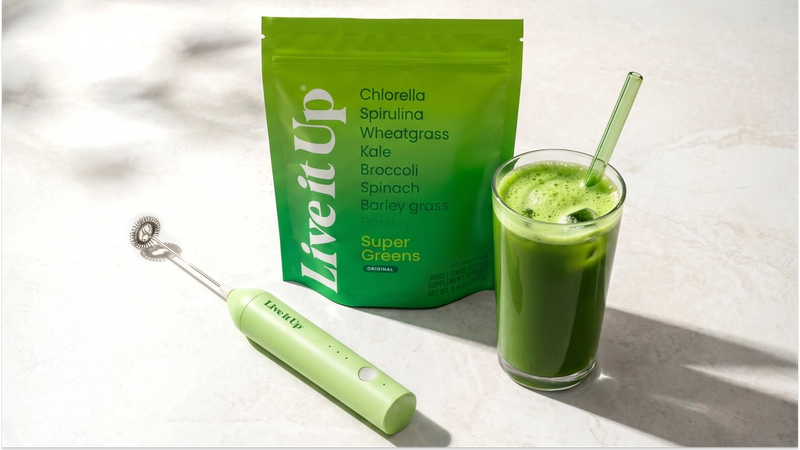
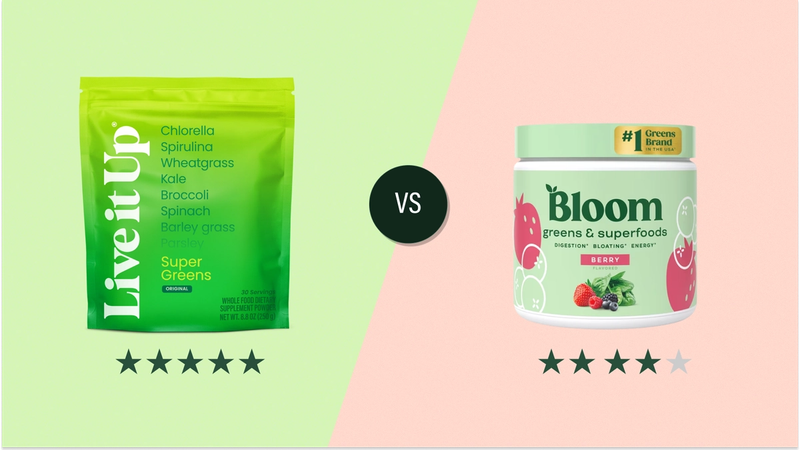
Below, I'll address everything you need to know about vitamin K and discuss ways to receive an adequate intake of this nutrient each day through your diet or even a supplement like Live it Up Super Greens.
Potential benefits of vitamin K at a glance:
- Supports bone health
- Aids blood clotting
- May help cognitive function
- Promotes mood regulation
- High in antioxidant properties
- May assist immunity
What Is Vitamin K?
Vitamin K is a fat-soluble vitamin. It helps produce a protein called prothrombin, which is responsible for supporting bones and helping blood coagulate.
Vitamin K comes in two primary forms:
- Vitamin K1 (phylloquinone): Found in vegetables, especially green leafy vegetables.
- Vitamin K2 (menaquinone): Found in fermented foods, dairy foods, and organ meats, but gut bacteria can also naturally produce it during fermentation.


Did You Know?

Fermented foods are an excellent source of vitamin K, but they're also rich in probiotics, which help maintain a healthy, balanced gut and support immune function.
How Much Vitamin K Per Day?
According to the Food and Nutrition Board (FNB), the Recommended Dietary Allowance (RDA) for vitamin K is 120 mcg for adult men and 90 mcg for adult women.
To reach your daily vitamin K intake values, I recommend consuming foods rich in vitamin K or taking vitamin K supplementation, such as a greens powder.
6 Potential Health Benefits of Vitamin K
Vitamin K is a powerful vitamin that can support your body in numerous ways. The following are just a handful of the many health benefits of vitamin K.
1. Supports Bone Health
Vitamin K plays a key role in bone health. It can help with low bone density and reduce the risk of bone fractures. The vitamin supports bone metabolism, the process by which bones are formed and broken down, as well as bone mineralization, which helps regulate calcium and support bone growth.
Remember, teeth are bones, too. Therefore, vitamin K can also support dental health. Vitamin K, along with vitamins D and A, helps your teeth absorb calcium, which may strengthen them and resist decay.
2. Aids Blood Clotting
Vitamin K is renowned for its role in blood clotting and helping to prevent blood loss. The vitamin produces proteins in the liver called clotting factors that help blood to clot. Some studies have found that vitamin K's role in coagulation may help promote wound healing; however, further research is needed to confirm these results.
Did You Know?
Newborn babies are born with low levels of vitamin K, so many receive a vitamin K injection immediately after birth to prevent and stop bleeding.
3. May Help Cognitive Function
Vitamin K, particularly K2, may influence cognitive function. Some studies have found that it may support cognitive performance and memory, particularly in older people. Other studies have found that vitamin K may also support neurogenesis, the process by which new neurons are formed in the brain's hippocampus, the memory center.
4. Promotes Mood Regulation
Vitamin K may have antidepressant-like effects. While further research is needed, some initial studies suggest that the vitamin may regulate blood glucose levels, which can have a negative impact on the nervous system. This means that the vitamin may help reduce depression and anxiety symptoms in those with elevated glucose levels.
Furthermore, the gut can produce vitamin K2, which helps maintain a balanced microbiome. It's important to foster a healthy gut environment, as the gut is directly connected to the brain through the gut-brain axis. This pathway of communication between the brain and gut helps regulate moods, so when the gut is healthy and balanced, it can encourage the production of serotonin and dopamine.
5. High in Antioxidant Properties
Vitamin K possesses antioxidants that assist with inflammation throughout the body. Some studies report that the vitamin helps suppress the production of pro-inflammatory cytokines, which trigger inflammation. Additional research shows that vitamin K2 may help "reduce the activation of nuclear factor κB (NFκB)," further aiding healthy inflammation responses.
These same antioxidants can help neutralize free radicals and combat oxidative stress. Research suggests that vitamin K may play a crucial role in protecting brain cells against oxidative damage. The dietary vitamin may also inhibit lipid peroxidation, which can cause cell injury and death.
6. May Assist Immunity
Lastly, vitamin K may also support immune function. Although research is limited, some studies have revealed that the vitamin can help regulate immune cell function. Vitamin K acts as a "cofactor in several plasma proteins," allowing it to support immune responses.
This, in combination with the vitamin's inflammatory properties and ability to help balance the gut, suggests that vitamin K may aid the immune system in various ways.
Possible Side Effects of Vitamin K
While vitamin K offers a variety of health benefits, it's essential to be aware of potential side effects when consuming this vitamin. The following are a few possible side effects associated with vitamin K:
- Interactions with prescriptions, such as blood thinning medications or those that reduce the absorption of fat-soluble vitamins like vitamin K
- Upset stomach and diarrhea
- Dizziness
- Sweating
- Difficulty breathing or swallowing
If you experience any adverse side effects, please consult your healthcare professional for medical advice.
It's also essential to avoid taking too much vitamin K, as you could potentially megadose on the vitamin, leading to adverse health effects and even toxicity. If you're unsure if you're consuming the right amount for you, contact your healthcare professional.
Dietitian Tip:
Before trying a new supplement (even a greens powder), make sure you know your vitamin K needs and check the nutrition facts to see if it’s within the recommended daily levels.
Vitamin K Foods and How to Get More in Your Diet
So, how do you increase your vitamin K levels? One of the easiest ways to increase your vitamin K intake is to consume foods that are naturally rich in this vitamin.
Food Sources of Vitamin K1
The following are just a few of the plant foods you can consume to increase your vitamin K1 intake:
- Dark leafy vegetables, such as spinach, collard greens, and kale
- Iceberg lettuce
- Parsley
- Broccoli
- Turnips
- Vegetable oils, like soybean and canola oil
- Greens powder, such as Live it Up Super Greens
Food Sources of Vitamin K2
As discussed, vitamin K2 is more often found in fermented foods and animal foods, such as the following:
- Sauerkraut and natto (fermented soybeans)
- Swiss, gouda, parmesan, and edam cheese
- Liver and other organ meats
- Egg yolks
- Fatty fish, such as salmon, tuna, and sardines
- Grass-fed animals, like chickens and cows
Get Your Plant-Based Vitamin K With Live it Up Super Greens
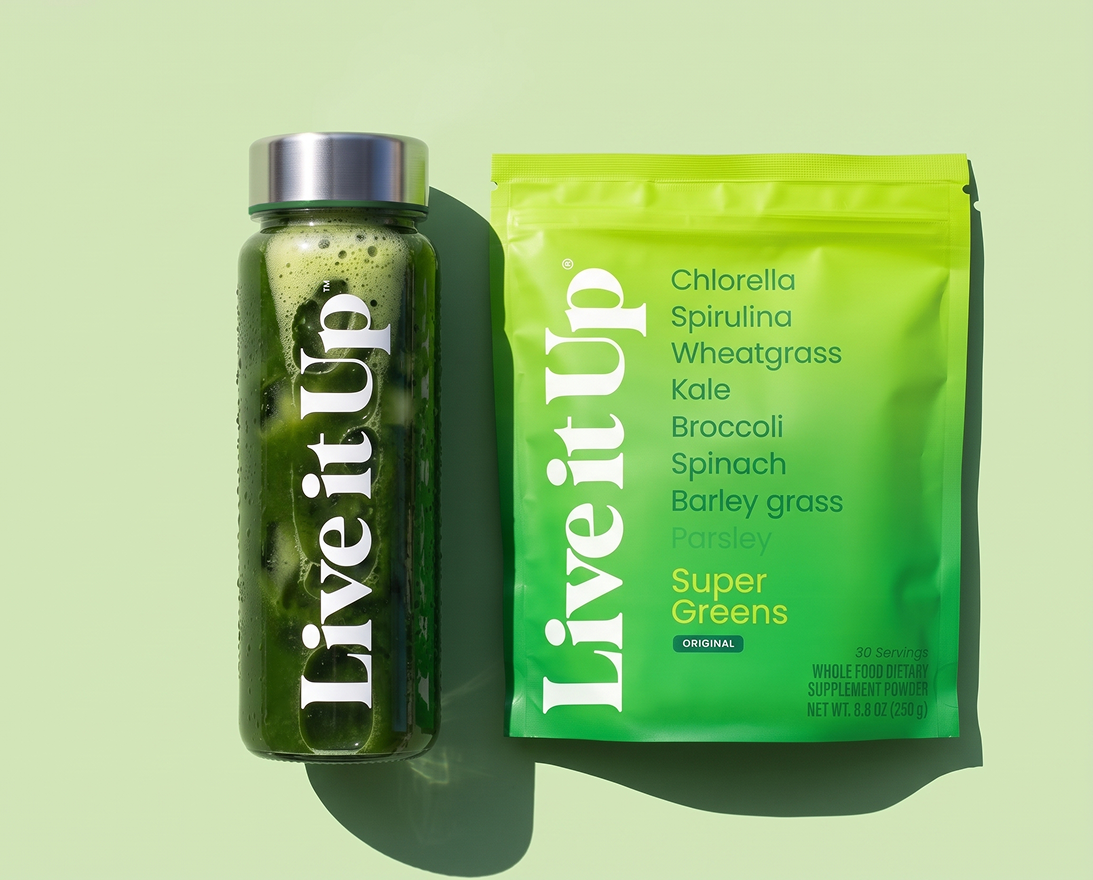
While I encourage all my clients to eat a balanced diet, I understand that's often easier said than done. If you're looking for an easy way to fill gaps in your diet and help reach your vitamin K levels, I recommend taking Live it Up Super Greens.
Easily my favorite dietary supplement, Live it Up Super Greens is a delicious and affordable greens powder packed with essential vitamins and minerals like vitamin K. It contains organic leafy green vegetables, algae, cereal grasses, and herbs, plus probiotics and digestive enzymes.
Although greens powder can be an excellent addition to your daily routine, it’s not meant to replace a healthy diet, so be sure to try your best to continue eating balanced meals with whole foods.
FAQs About Vitamin K
Follow along to find out the answers to your frequently asked questions about vitamin K.
What does vitamin K do to your body?
Vitamin K can support your body in various ways. For example, it may affect bone health and bone mineral density, aid cognitive function, aid inflammation, and help with mood regulation. It's also celebrated for its antioxidant properties, as well as its ability to aid in blood clotting.
What are the symptoms of a vitamin K deficiency?
One of the signs of a vitamin K deficiency is excessive bleeding because your body doesn't have enough of the vitamin to support blood clotting. Other symptoms of a vitamin K deficiency may include drowsiness, bruising, vomiting, pale skin, nosebleeds, and even seizures. If you're concerned that you may be vitamin K deficient, consult your healthcare professional.
What foods are high in vitamin K?
The good news is that many foods contain vitamin K. Dark green leafy vegetables, such as kale and spinach, are rich in vitamin K1, as are turnips, broccoli, and vegetable oils. Meanwhile, fermented foods and certain animal foods, such as some cheeses, egg yolks, and organ meats, are good sources of vitamin K2. You can also consume greens powders, such as Live it Up Super Greens, to further increase your vitamin K intake.
Who should not take vitamin K?
If you're taking blood thinners, experts recommend avoiding vitamin K supplements, as they may interact with your medication. Vitamin K can interact with other medications, such as those that interfere with vitamin K absorption. Therefore, please consult your health professionals before adding these supplements to your diet.
Is vitamin K okay to take every day?
Yes, it's generally considered safe to consume vitamin K daily, as long as you follow the recommended dietary allowance (RDA): 120 mcg for men and 90 mcg for women. While vitamin K has a low potential for toxicity, it's still important to be mindful of how much you consume daily.
This article is for informational purposes only and is not medical advice or individualized nutrition counseling. Please consult a qualified healthcare provider before making changes to supplements or medications. Any product or brand mentions are for general information and don’t guarantee results.
- https://www.medicalnewstoday.com/articles/325059#functions
- https://ods.od.nih.gov/factsheets/VitaminK-HealthProfessional/
- https://pubmed.ncbi.nlm.nih.gov/11684396/
- https://www.sciencedirect.com/science/article/abs/pii/S0899900701007092#
- https://www.longviewfamilydental.com/2024/07/19/the-role-of-vitamin-k-in-tooth-decay/
- https://www.cdc.gov/vitamin-k-deficiency/fact-sheet/index.html
- https://pubmed.ncbi.nlm.nih.gov/36532748/
- https://www.sciencedirect.com/science/article/abs/pii/S0378512216300196
- https://www.youtube.com/watch?v=eonLtqRxI8Y
- https://pubmed.ncbi.nlm.nih.gov/28068285/
- https://www.nuvancehealth.org/health-tips-and-news/the-gut-mental-health-connection#
- https://pmc.ncbi.nlm.nih.gov/articles/PMC5026413/
- https://pubmed.ncbi.nlm.nih.gov/20149620/
- https://pmc.ncbi.nlm.nih.gov/articles/PMC6741273
- https://www.sciencedirect.com/science/article/pii/S1097276522009583
- https://www.researchgate.net/publication/363903202_Vitamin_K_and_The_Immune_System
- https://www.drugs.com/sfx/vitamin-k-side-effects.html#
- https://letsliveitup.com/blogs/supergreens/can-you-overdose-on-vitamins
- https://my.clevelandclinic.org/health/diseases/21132-vitamin-k-deficiency-bleeding
- https://health.clevelandclinic.org/vitamin-k