Electrolyte powders went from sports-medicine footnote to wellness staple in just a few years. Do you really need added electrolytes? Here's my honest dietitian answer: If you're a generally healthy adult who eats regular balanced meals and drinks water, you may already be meeting your electrolyte needs. Then again, most Americans are regularly under hydrated, so an electrolyte supplement would be useful.
There are common situations where added electrolytes genuinely improve how well you hydrate, and a moderate daily formula like Live it Up Vital Minerals can help in those moments. The trick is knowing how much you need and when.
What Are Electrolytes and Do You Need Them?
Electrolytes are minerals that carry an electrical charge when dissolved in fluid. That charge lets them move water in and out of your cells, transmit signals throughout your body, and trigger muscle contractions.
You can't function without them. But needing electrolytes and needing an electrolyte supplement are separate questions. Most people with a healthy lifestyle get enough electrolytes from food and normal fluid intake. For example, sodium is everywhere in the food supply, with the average American adult taking in roughly 3,400 mg daily, well above requirement. Potassium comes from fruits, vegetables, beans, and dairy; magnesium from nuts, seeds, legumes, and leafy greens.
Many healthy people likely don't need an electrolyte supplement every day, but there are situations where one makes a meaningful difference in meeting your hydration goals.


Did You Know?

Sodium is the electrolyte most responsible for helping your body hold onto the water you drink, which is why plain water isn't always the most efficient rehydration fluid after heavy sweating.
When You Need Electrolytes
The following are some scenarios when you should consider hydrating and replenishing your electrolytes:
- Exercise lasting longer than an hour. Below that, research shows little difference in performance between an electrolyte drink and plain water. Past the one-hour mark, especially in heat, added sodium helps with fluid retention and palatability.
- Hot, humid weather. Sweat losses climb fast, and sweat is salty. Whenever you sweat in hot weather, you're losing sodium and chloride, not just water.
- Salty sweaters. If your shirt dries with white streaks, you're losing more sodium than average while sweating.
- Travel, especially flying. Dry cabin air, disrupted sleep, and inconsistent fluid intake make it easy to land under-hydrated.
- Feeling run down or a hangover. Long stretches without enough fluid can pull your sodium and potassium down together. This is the classic case for oral rehydration.
- You struggle to drink plain water. Avoiding water just because you don’t like the taste of it can severely impact your hydration levels, but adding a flavored electrolyte powder to regular water can make it more enjoyable.
What Electrolytes Do You Need?
Let’s take a closer look at some of the best electrolytes for your body and how they support hydration:
- Sodium drives fluid balance and water retention.
- Potassium works opposite sodium to regulate fluid inside cells.
- Chloride partners with sodium on fluid balance and blood pH.
- Magnesium participates in more than 300 enzyme reactions, including muscle function.
- Calcium is known for bone health but is essential to muscle contraction.
- Phosphorus supports fluid balances and helps distribute water inside and outside of the cells.
How Much Electrolytes Do You Need a Day?
There's no single daily electrolyte target. Needs shift with age, activity level, climate, diet, and health status, and official recommendations exist for individual minerals rather than "electrolytes" as a category.
Mineral | General daily amount for adults | Notes |
|---|---|---|
Sodium | 1,500 mg (Adequate Intake) | Most adults should stay under 2,300 mg |
Potassium | 2,600 mg (women) / 3,400 mg (men) | No upper limit set for healthy adults |
Chloride | 2,300 mg (ages 19–50) | Declines with age; comes largely from salt |
Magnesium | 310–320 mg (women) / 400–420 mg (men) | Many adults fall short here |
Calcium | 1,000–1,200 mg | Varies by age and sex |
Phosphorus | 700 mg (ages 19+) | Varies by age |
Most healthy adults hit these through diet alone. And it's worth saying plainly: drinking more electrolyte powder than your body needs won't make you more hydrated. The excess gets filtered out by your kidneys, and stacking servings can push sodium higher than you'd want.
Dietitian Tip
Pick a moderate-sodium formula for daily use and save the high-sodium athletic blends for days you really need them.
Boost Your Electrolytes with Live it Up Vital Minerals
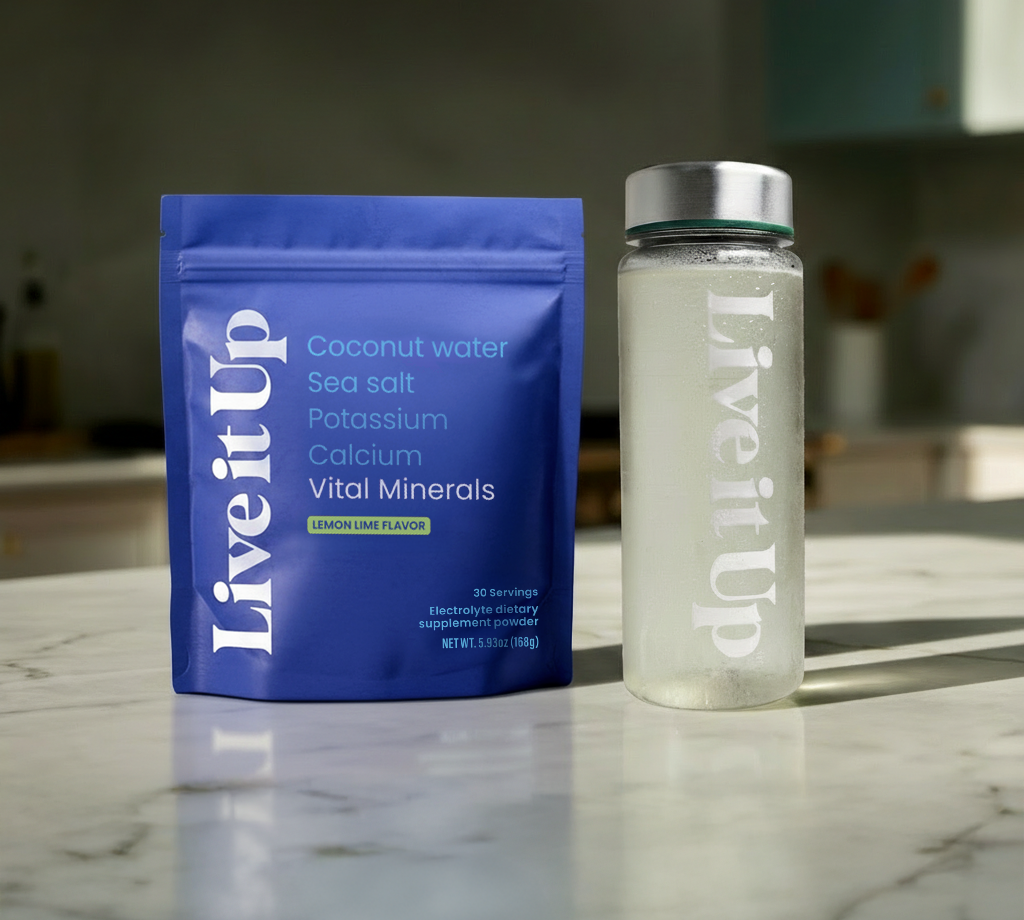
Whether you need to rehydrate after an intense workout or want daily hydration support, I recommend Live it Up Vital Minerals. This electrolyte powder contains coconut water, sodium, potassium, calcium, and vitamin C to support rapid hydration. Its balanced electrolyte formula is designed for daily use and may also keep you feeling revitalized.
The low-calorie, non-GMO, delicious electrolyte powder has no added sugar or artificial sweeteners and comes in five refreshing flavors: Pineapple Coconut, Strawberry Lemonade, Watermelon, Pomegranate Mango, and Lemon Lime.
When you need to hydrate and replenish lost fluids, there’s no better choice than Live it Up Vital Minerals.
Frequently Asked Questions
Do electrolytes hydrate faster than water?
In some situations, yes. Sodium-containing beverages are retained better than plain water. In one post-exercise trial, an electrolyte-rich rehydration solution retained about 30% of the fluid consumed while water finished net negative. The mechanism is retention rather than speed, and the advantage shows up mainly when you're already depleted.
Are electrolyte powders better than sports drinks?
Yes, because of what they leave out. Sports drinks are built around carbohydrates for fueling endurance exercise, which means sugar you don't need on a normal day. Electrolyte powders deliver the minerals without the added sugar, artificial colors, and flavors that many sports drinks include.
Can you drink electrolytes every day?
Yes, if the formula is designed for it. Sodium level is what matters: daily-use products sit in a moderate range while athletic formulas can exceed 1,000 mg per serving. Check the label against your total daily sodium, and if you're managing blood pressure or kidney issues, talk to your provider first.
Do I need electrolytes if I don't exercise?
Probably not as a daily supplement. In a temperate climate, eating regular meals, food and water cover it. The exceptions are if you're feeling unwell, very hot environments, and chronically low fluid intake.
This article is for informational purposes only and is not medical advice or individualized nutrition counseling. Please consult a qualified healthcare provider before making changes to supplements or medications. Any product or brand mentions are for general information and don’t guarantee results.