Recently, I have seen several influencers highlight vitamin C as a “special ingredient in 10-step skincare routines, serums, and cleansers. While they are accurate in pointing out vitamin C’s role in skin, a lot of them rely on topical application. As a registered dietitian, I know it’s equally essential to put vitamin C in our bodies as this vital nutrient supports a lot more bodily functions.
In the following article, I’ll highlight the science of why vitamin C is essential to our vitality. I’ll also explain why we need to rely completely on external sources (food and supplements like Live it Up Vital Minerals) to benefit, and why we shouldn’t take too much.
The purported benefits of vitamin C:
- Works as an antioxidant
- Supports immunity
- May assist with cognitive wellness
- Aids iron absorption
- Supports skin health
- Supports a healthy inflammatory response
- Contributes to energy production
What Is Vitamin C?
Vitamin C, scientifically known as L-ascorbic acid, is a water-soluble vitamin. This means the vitamin doesn’t have the potential to accumulate in the body as vitamin K (a fat soluble vitamin). The body automatically gets rid of what it can’t use.
However, our bodies can’t produce this nutrient, and therefore, we have to rely on food and supplements. Vitamin C is found in citrus fruits, guavas, berries, yellow and red bell peppers, and green vegetables like kale.
Vitamin C is essential to human vitality, as it’s a cofactor to several enzymes that aid body functions like energy, skin, and immune response.
How Much Vitamin C Per Day?
The Recommended Dietary Allowance (RDA) is as follows:
For anyone 19 and above, the recommended intake is 90 mg for males and 75 mg for females. There are some differences in daily requirements based on age.
One point to note here is that people who smoke require 35 mg more vitamin C because smoking introduces more free radicals that deplete the body’s antioxidant stores.
The upper limit for vitamin C intake is 2000 mg.


Did You Know?

More vitamin C doesn’t mean better. Your body has a ceiling for how much vitamin C it can efficiently process. Studies show that blood absorption capabilities become significantly less post 200 mg a day.
7 Potential Vitamin C Benefits
Here’s the science behind how vitamin C potentially supports your body.
1. Works as an Antioxidant
Vitamin C has been long studied for its antioxidant properties due to its ability to donate an electron. The vitamin is not only an important free radical scavenger, but it also promotes the activities of other important antioxidants, especially vitamin E. Vitamin C appears to strengthen the body’s defence mechanism against daily stressors by activating the intracellular antioxidant systems. The vitamin can also regulate inflammatory pathways like NFκB and TNFα.
2. Supports Immunity
Vitamin C supports both innate (our first line of general defense) and adaptive (more specialized) immune systems in a multitude of ways. As established earlier, vitamin C is key to collagen production, which strengthens skin barriers and therefore may hinder pathogens from entering our body. Neutrophils, the white blood cells that are first to arrive at a cut or infection, hoard vitamin C and use it to help the body’s natural defenses.
Scientists have noted low vitamin C being linked to impaired immunity levels. Research shows that vitamin C can promote creation and activity of B-cells and T-cells, which drive our antibody responses.
3. May Assist with Cognitive Wellness
Our brain needs a steady supply of vitamin C to function. A 2026 cross-sectional study showed that adequate levels of vitamin C in blood correlate with gray matter volume and the brain’s ability to make stronger network connections in areas governing memory and thinking. In another study of 2801 adults over the age of 60, subjects with the highest consumption of vitamin C supplements performed better on processing speed, attention, and memory tests.
4. Aids Iron Absorption
The fact that iron plays a role in oxygen transport, energy production, athletics performance, muscle health, and much more is widely accepted. What most don’t recognize is that iron, especially non-heme, needs vitamin C to be absorbed by the body. Studies show that the amount of non-heme iron absorbed by the body is directly proportional to the amount of vitamin C present. Vitamin C aids iron absorption by donating an electron and changing the non-absorbable iron to an absorbable form (Fe2+). The vitamin can also potentially manage the effect of phytates and polyphenols from grains, coffee, and tea that may hinder iron absorption.
Dietitian Tip
Pair your non-heme iron food groups, like spinach, kale, or peas with a vitamin C food. It could be as simple as having orange juice or a bowl of kiwi with your iron fortified cereal. Or having your meat with a side of bell peppers.
5. Supports Skin Health
The most well-known function of vitamin C is that it’s a cofactor to prolyl hydroxylase and lysyl hydroxylase, two enzymes that build and stabilize collagen, but they need iron to work. Vitamin C helps with iron absorption and therefore aids collagen production. Data collected from 4000 women, aged 40-74, demonstrated a positive correlation between vitamin C intake and healthy skin aging.
Vitamin C’s prowess in skin health can also be attributed to its antioxidant capabilities, which enables it to fight free radicals that come in direct contact with our skin. One study showed that consistent use of vitamin C formulation for at least three months encouraged skin repair. In a similar clinical trial, topical vitamin C application had a positive impact on skin pigmentation.
6. Supports a Healthy Inflammatory Response
Oxidative stress is linked with inflammation. When free radicals outpace our body’s ability to manage them, inflammatory markers rise. Vitamin C, as an antioxidant, mitigates oxidative stress by neutralizing free radicals and managing the NF-κB, a protein that serves as a master switch for the body’s inflammatory response.
In a trial of 400 subjects, 1000 mg of vitamin C treatment over 2 months, reported a 25% decrease in CRP levels, a marker of inflammation. In a 2021 clinical trial of elderly women who underwent an exercise program, vitamin C administration decreased the pro-inflammatory marker, IL-6 mRNA.
7. Contributes to Energy Production
Vitamin C, unlike carbohydrates, doesn’t produce energy itself, but it’s a required cofactor for two enzymes that produce carnitine. Carnitine is the molecule that transports fat into your mitochondria, the powerhouse of the cell. Once in the mitochondria, the fat will be used as fuel for energy. Also, vitamin C’s role in iron absorption helps ensure proper oxygen delivery, indirectly keeping your body’s energy levels functioning normally.
Possible Side Effects of Vitamin C
When we overdo anything, there can be some repercussions. While our body does a good job of flushing out unused vitamin C through urine, we don’t want to consistently push the upper limit.
Going over 1000-2000 mg of vitamin C daily may lead to:
- Flatulence
- Increased stool frequency or loose stools
- Heartburn
- Headache
- Stomach discomfort
- Swelling of the esophagus
- Kidney stones
Vitamin C-Rich Foods and How to Get More in Your Diet
Our bodies can’t make vitamin C, so we need to get every possible milligram from food and drink sources. Luckily, it’s not that complicated. A half a cup of chopped cantaloupe or one cup of strawberries will help you fulfill the daily requirement.
Now, most people associate oranges and lemon with vitamin C, but there are other strong sources of this vitamin:
- Fruits like guavas, kiwi, kakadu plum, lychee, blackberry, blackcurrant, papaya, strawberry, persimmon, and cantaloupe
- Vegetables like bell peppers, kale, spinach, broccoli, cauliflower, potato, winter squash, and brussel sprouts
- Fortified food items like breakfast cereals, energy bars, and fruit juices
You can also get vitamin C through tablet and gummy supplements. Many electrolyte drinks, like Live it Up Vital Minerals, also serve as an excellent source of this vitamin. This is a convenient way to support hydration and meet the daily vitamin C requirement if you are constantly on the go, in multiple trainings, or need to replenish after a hot day.
Dietitian Tip
Vitamin C is heat sensitive, so the vitamin C potency of vitamin C-rich food can get lost the longer you cook it. To gain maximum benefit, try to have these fruits and vegetables in their raw form. If you prefer them cooked, then opt for steaming or microwaving over boiling or grilling.
Get Your Vitamin C with Live it Up Vital Minerals
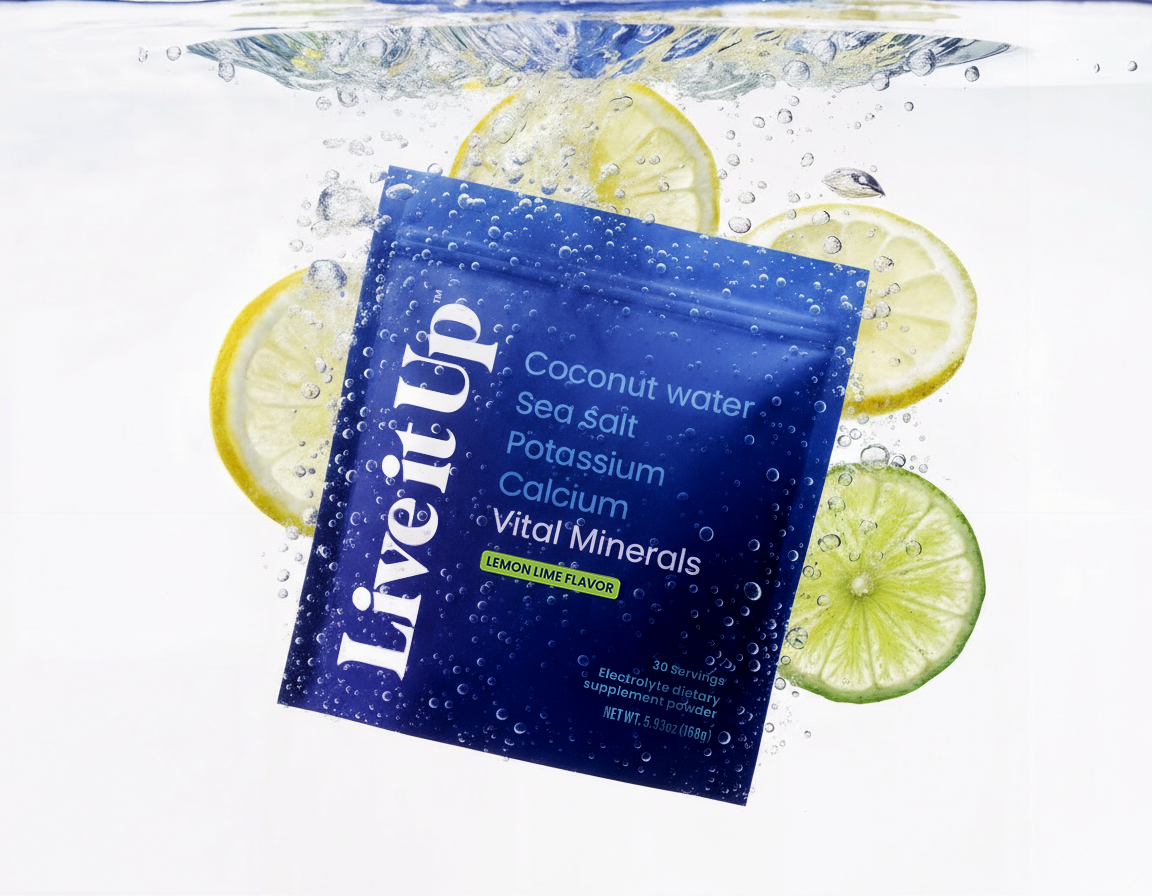
There’s a reason why most of us reach for a vitamin C gummy or orange juice in the winter months. But, as established earlier, this vitamin’s role extends far beyond immune function and skin health.
While it’s easy to get the necessary amount of vitamin C through a wide range of fruits and vegetables, one of my preferred ways to meet the DRI is by having Live it Up Vital Minerals.
There are several reasons why I pick Vital Minerals over other supplements:
- Contains 76% of recommended daily vitamin C intake
- Features other key electrolytes like sodium, potassium, and calcium that help you hydrate faster than plain water
- Five natural flavors without any artificial sweeteners or colors
- No GMOs, artificial fillers, sugar, gluten, dairy
- Per-serving price is under $1 (with subscription) plus free shipping
In a nutshell, Vital Minerals is a convenient, accessible, and affordable way to get a moderate (not excessive) daily dosage of vitamin C.
Vitamin C Benefit FAQs
Learn more about vitamin C benefits through these commonly asked questions.
What are the benefits of vitamin C serum?
Vitamin C serum may help with skin health as it’s a powerful antioxidant that can neutralize free radicals from UV rays, pollution, and other environmental triggers. The vitamin C from real food is also tied to collagen production, which is central to healthy skin aging.
What are the signs of low vitamin C?
Although rare in the U.S., low vitamin C levels can show up as fatigue, reopening of old wounds, inflammation of gums, and red or purple dots on the skin. If you have concerns, consult your healthcare provider before self-supplementing.
Should you take vitamin C every day?
While most people don’t need to take vitamin C supplement every day, you do need enough of it. Our body can neither produce nor store this nutrient. A varied diet of fruits like kiwis, cantaloupe, and strawberries, alongside vegetables like broccoli, kale, and spinach will do the job. Supplements may only be necessary if you have higher requirement amounts. Speak to your healthcare provider or a registered dietitian to understand your nutrient needs.
This article is for informational purposes only and is not medical advice or individualized nutrition counseling. Please consult a qualified healthcare provider before making changes to supplements or medications. Any product or brand mentions are for general information and don’t guarantee results.
- https://www.health.harvard.edu/diet-and-nutrition/myths-and-truths-about-vitamin-c
- https://www.mayoclinic.org/drugs-supplements-vitamin-c/art-20363932
- https://pmc.ncbi.nlm.nih.gov/articles/PMC5579659/
- https://www.healthline.com/nutrition/vitamin-c-benefits
- https://lpi.oregonstate.edu/discovery-shows-new-vitamin-c-health-benefits
- https://www.mayoclinic.org/healthy-lifestyle/nutrition-and-healthy-eating/expert-answers/vitamin-c/faq-20058030
- https://www.healthline.com/nutrition/vitamin-c-foods
- https://www.webmd.com/food-recipes/ss/slideshow-vitamin-c-sources
- https://www.health.harvard.edu/blog/why-is-topical-vitamin-c-important-for-skin-health-202111102635
- https://impactfactor.org/PDF/IJDDT/16/IJDDT,Vol16,Issue43s,Article12.pdf
- https://pmc.ncbi.nlm.nih.gov/articles/PMC9598715/
- https://www.healthline.com/nutrition/kakadu-plum-benefits
- https://pmc.ncbi.nlm.nih.gov/articles/PMC5622720/
- https://www.youtube.com/watch?v=JFaSSn4faYE&t=33s
- https://www.sciencedaily.com/releases/2026/06/260626030428.htm
- https://pmc.ncbi.nlm.nih.gov/articles/PMC4179190/
- https://pmc.ncbi.nlm.nih.gov/articles/PMC5707683/
- https://medicopublication.com/index.php/ijfmt/article/view/12429
- https://www.researchgate.net/publication/328358774_A_Meta-analysis_of_Randomized_Control_Trials_The_Impact_of_Vitamin_C_Supplementation_on_Serum_CRP_and_Serum_hs-CRP_Concentrations
- https://www.healogics.com/blog/the-role-of-vitamin-c-for-wound-healing/
- https://www.biocyte.com/en/blogs/news/vitamin-c-and-fatigue
- https://www.health.harvard.edu/diet-and-nutrition/myths-and-truths-about-vitamin-c
- https://ods.od.nih.gov/factsheets/Carnitine-HealthProfessional/