Sodium has gone from villain to victor overnight. As a dietitian, this has felt like nutritional whiplash for my clients. Advertisements for high-sodium hydration drinks are trying to convince us that more is better. And some research even questions if the recommended sodium limit is too low.
On the one hand, we know that too much sodium can make us feel bloated and uncomfortable. Plus, there’s abundant research on the negative health effects of a high-sodium diet. On the other hand, we’re now being told that more sodium is better for our cellular hydration.
So what are you supposed to believe? In this article, I’ll shake out the truth about salt: whether sodium hydrates or dehydrates us, what happens when we have too much, and when higher salt intake is actually better.
Hydration Basics: Does Salt Hydrate or Dehydrate You?
While the amount of water you drink is the most important factor in hydration, essential electrolytes play a crucial role in helping maintain proper hydration. Salt is a compound made of two minerals: sodium and chloride. Both are electrolytes, but sodium has one of the biggest impacts on our fluid balance at both the cellular level as well as total body hydration.
Sodium plays key roles in the body:
- Generating electrical impulses between cells
- Contracting and relaxing muscles
- Keeping the right balance of fluids
It’s estimated that we only need about 500 mg of sodium per day to help accomplish these vital functions.
How Does Sodium Help with Hydration?
Sodium is mostly found outside the cell, so it plays a big role in helping maintain the volume in our extracellular fluid and blood. This mineral works in tandem with potassium via the sodium-potassium pump.
Our cells are constantly pumping sodium out into the extracellular fluid and pulling potassium into the intracellular fluid. This in and out flow is key to cellular hydration. Since sodium is a bigger compound (solute), it is very osmotically active and draws fluids out of the cell to help maintain fluid balance.
If your balance of sodium and total body fluids is off, it can potentially cause reductions in your extracellular fluid and blood volumes, possibly leading to side effects related to dehydration.
Can Sodium Dehydrate You?
Definitely. Too much sodium creates a huge drive to push more fluid out of the cell, meaning that you may not have enough left behind for your cells to be hydrated. This is because a high concentration of sodium needs to be diluted for the body to maintain appropriate balance and homeostasis.
This shift in fluid balance can lead to cell shrinkage, or dehydration on the cellular level. And keeping sodium levels too high for too long may lead to additional damage as the cells try to compensate and adapt.


Did You Know?

Nearly 100% of the sodium we consume from foods and beverages is absorbed into the body during digestion. While we can sweat some sodium out during extreme physical activity or heat, most sodium is excreted through the kidneys via urine.
When Salt Makes a Difference
There are times when having more salt (sodium) is absolutely beneficial and can make a meaningful difference in your performance and health.
1. Intense exercise: Prolonged intense exercise (longer than 60-75 minutes) increases sodium loss via sweat. Getting enough sodium before, during, and after exercise has been shown to help support athletic performance, hydration status, and fluid replenishment during recovery.
2. Extreme environments: Being exposed to hot / humid environments for extended periods of time, especially when being active or performing manual labor, may also increase our need for sodium and enough electrolytes.
3. Specific diets: People following low-carb or keto-diets may need to focus on getting adequate sodium in their diet. This is because when these diets are followed appropriately, insulin levels may be reduced, which also impacts how our kidneys regulate our body’s sodium levels. For some, this may mean less sodium being retained by the body.
4. Feeling unwell: When you're feeling under the weather, you may experience increased electrolyte and fluid loss. These must be replaced to help your body feel its best.
Find the Right Electrolyte Balance for You
Even within the above categories, sodium needs vary from person to person and situation to situation. Large amounts of sodium are not always needed, and may even make the situation worse, especially when combined with not consuming enough fluids.
You can’t just add salt to your water and expect to stay hydrated. While sodium is one of the most important electrolytes, it’s not the only one that helps manage fluid balance:
- Potassium is the most abundant intracellular electrolyte, helping to manage hydration within the cell.
- Chloride is an extracellular electrolyte that assists with fluid balance.
- Magnesium and calcium do not have as strong a role in hydration, but they work synergistically with the other electrolytes. The good news is that we don’t lose these at a very high rate, so their replacement is not as critical.
Balance is key, as is drinking enough fluids so your electrolytes (like from an electrolyte powder) can work properly! For intense hydration situations, it’s best to chat with your healthcare provider or a registered dietitian for individual recommendations.
Did You Know?
Chloride is an important mineral, being the second most abundant electrolyte in our extracellular fluid. While chloride may not be listed on all hydration products, if the product contains salt (sea salt, Sel Gris, Himalayan salt, etc), it also contains chloride. This is because the compound salt is made of 60% chloride and 40% sodium.
How Much Sodium Is Too Much?
Decades of research confirm that diets high in sodium are linked to poor health outcomes. One of the main problems is that the more sodium we consume, the more our body holds onto water to help dilute it. This means that excess sodium may increase blood volume outside of the normal ranges.
- Where does most sodium in the diet come from? Around 70% of sodium in American’s diets come from processed and packaged foods.
- How much sodium is in the typical American diet? An average of 3,600 mg per day.
- What is a healthy limit of sodium per day? The Dietary Guidelines for Americans recommends sticking to about 2,300 mg per day, while the American Heart Association recommends less than 1,500 mg.
Is There Too Much Sodium in Some Hydration Drinks?
Some hydration drinks boast quite a lot of sodium per serving, and even recommend multiple servings per day as needed! This could blow your sodium levels through the roof.
What could be considered too much sodium? I personally do not recommend more than 600 mg per serving for daily use. Brands like LMNT exceed this with 1,000mg per serving.
Why do some hydration drinks provide so much sodium? Turns out, sodium recommendations have become quite controversial, and it all stems back to a study that found that both high and low sodium intakes may lead to poor health effects. The authors concluded that staying in the “sweet spot” between 3,000 and 6,000 mg of sodium is best.
The problem? There were some significant limitations to this study. Let’s take a look at just two.
1. The study used only one urine sample to estimate that person’s total daily sodium intake.
Why does this matter?
First, because one urine sample could lead to a huge potential for error. For example, that one urine sample will be very different depending on whether the person had pizza or a salad the night before (The standard criteria is a 24-hour urine sample).
Second, because using one urine sample to make conclusions about your long-term health and disease risk is really stretching it.
Let me put it this way: That’s like me seeing you eat pizza one time, not taking into account anything else you’ve eaten, and then blaming your health outcomes two years later on that one meal. Leaves a bit of room for error, doesn’t it?
2. The study includes people with illnesses related to high sodium intake.
Why does this matter?
People who are already sick and have been told to follow a low sodium diet are already at higher risk. This could have skewed the results because their doctors could have told them to follow a low sodium diet because of their higher risk. So of course there is a higher potential for more poor outcomes at a lower sodium intake if the participants were already sick.
Bottom line: While this is an interesting hypothesis on sodium, there’s just not enough information right now to change the long-established sodium recommendations. More is not (yet?) better.
When High Sodium Is Unnecessary
Most of the time, using a high-sodium hydration drink is simply unnecessary. Here are a few examples of when sticking to moderate to low sodium is best:
- Everyday hydration: For the average person in everyday life (not sweating heavily or experiencing large fluid losses), just plain water and a balanced diet with whole foods is sufficient.
- Regular exercise: There is a big difference between the electrolyte loss from a regular 60-90 minute workout (minimal electrolyte loss), and training for longer periods of time much more intensely. Heavy-duty sodium replacement isn’t usually necessary unless you’re training intensely for multiple hours.
- High sodium diet: If you already consume more than enough sodium, consuming a high sodium hydration drink may not be the best choice, especially for sodium-sensitive individuals. Potential issues include kidney stress, fluid retention, and other concerns.
Why I Recommend Live it Up Vital Minerals
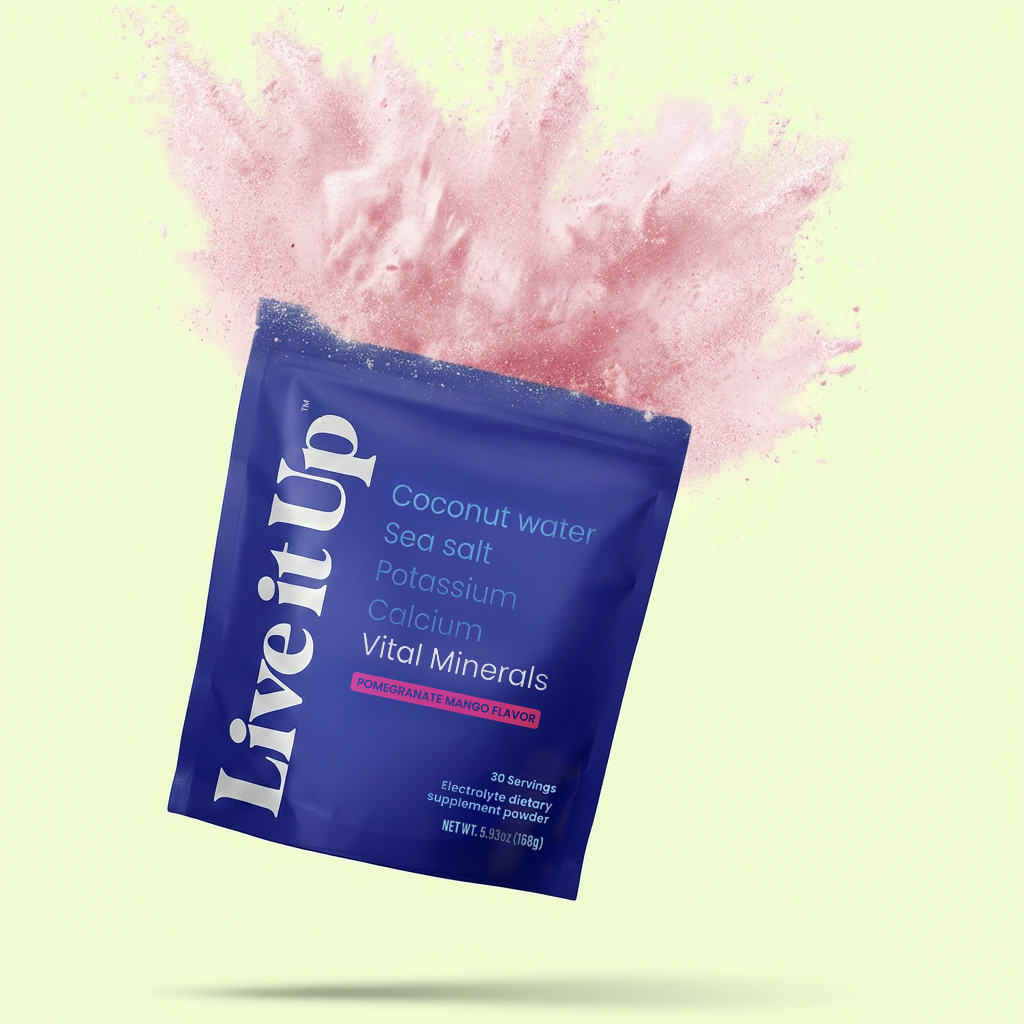
Hydration and electrolyte powders are blowing up in popularity. What sets each apart is how much sodium they contain, how they balance the additional electrolytes, and what else they add to it. Each of these factors will play a role in how well it meets your individual needs.
My personal favorite is Live it Up Vital Minerals because it balances these three factors so well:
1. Moderate sodium level: At 510 mg of sodium, it has a good amount for daily hydration without pushing you over your daily goals.
2. Balanced electrolytes: With an excellent ratio of sodium to potassium, along with chloride and calcium, Vital Minerals looks at the whole picture of electrolyte equilibrium.
3. Nothing artificial and no added sugars: When possible, I try to choose products without artificial sweeteners, added sugars, and artificial colors and flavors. Vital Minerals fits the bill.
4. Bonus points:
- Vitamin C for immune support
- Third-party tested and GMP-certified
- Five delicious flavors (Lemon Lime, Watermelon, Pomegranate Mango, Strawberry Lemonade, Pineapple Coconut)
While I encourage everyone to get most of their electrolytes from a well-balanced diet, adding a hydration drink to replenish electrolytes can help close gaps for these essential minerals. Supplementing your diet with them shouldn’t mean pushing you into an unhealthy place, but rather gently helping you reach proper hydration. Which is exactly what Vital Minerals aims to do.
Salt Hydration FAQs
Learn a little more about how sodium helps (or hinders!) your hydration.
Is salt bad for you?
Salt is a compound that gives us both sodium and chloride, both of which are essential minerals. This means our body needs them for critical functions, including hydration and muscle contractions, and we must get them from the diet.
While getting enough sodium is important, too much may tip our body closer to potential health concerns. Since most Americans consume far too much sodium, particularly from processed and packaged foods, it’s important to be aware of where your sodium is coming from.
How much salt is recommended? One teaspoon, or about 2,300 mg of sodium daily.
Does adding salt to my water actually help me hydrate better?
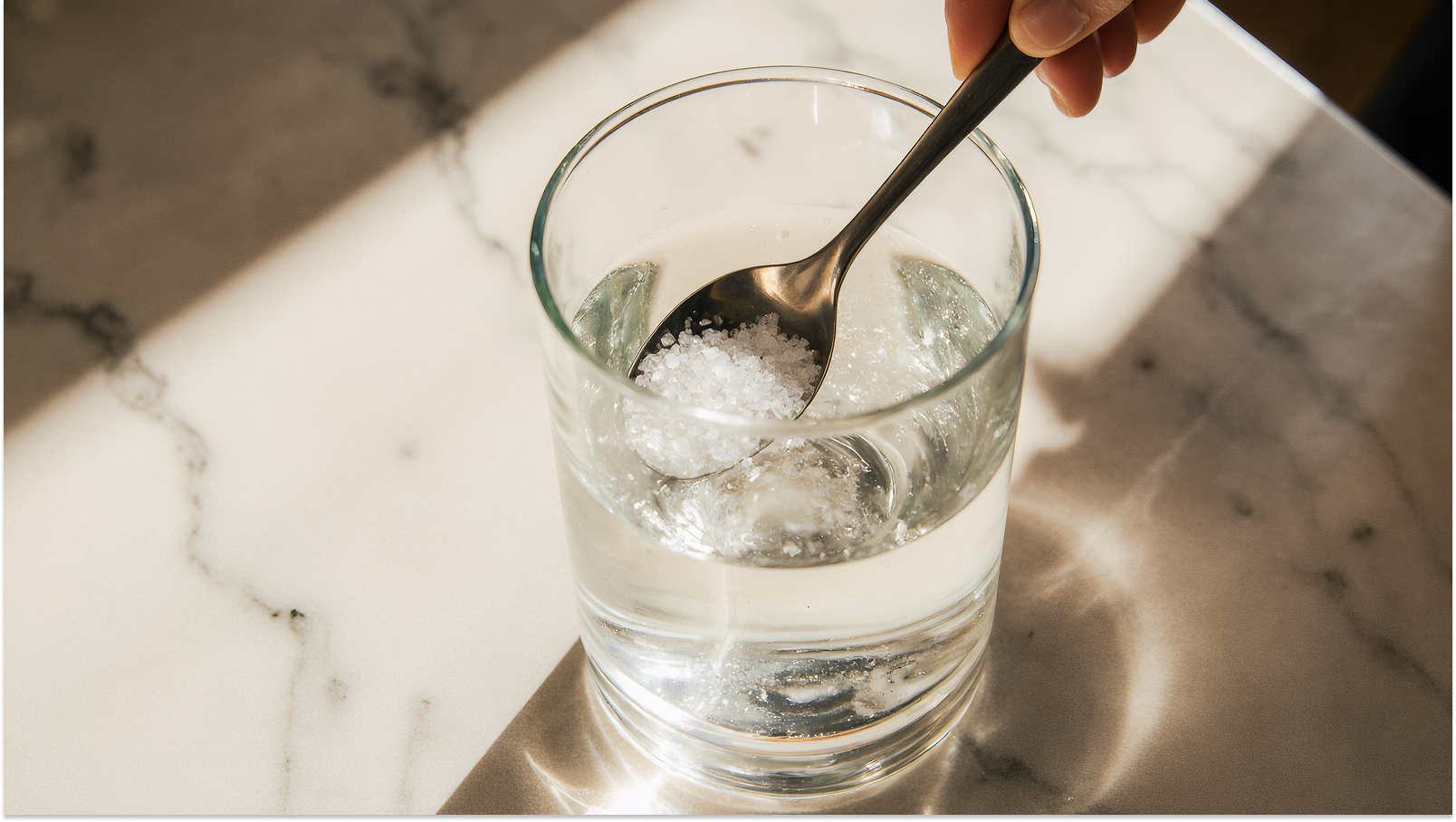
No. Adding table salt to your water is a fad that I’d love to see fade away.
Why? Because adding just a pinch of salt to each of your glasses of water will increase your sodium quickly, and most people are already getting too much. Plus, sodium alone is not the only electrolyte important for proper hydration.
What’s better? Drinking water, and enough of it. This is the most important factor for hydration. Should you want to close electrolyte gaps, find a hydration drink, such as Live it Up Vital Minerals, that has a balance of electrolytes without over-doing it on sodium.
Put the salt shaker down; no need to drink salty water.
How much sodium do I need each day for proper hydration?
The body only needs about 500 mg sodium each day to perform its vital functions, such as muscle contractions, cellular hydration, blood volume, and acid-base balance.
The Dietary Guidelines for Americans recommends we aim for 2,300 mg of sodium per day, while the American Heart Association recommends as little as 1,500 mg. These amounts can provide plenty of sodium for optimal hydration in daily life.
Hydration or sports drinks to replace lost electrolytes and fluids may be needed for athletes who train for multiple hours at a time, people who work in hot and humid environments, and those who have certain medical conditions that cause electrolyte losses.
How much plain water for proper hydration? At least eight glasses, give or take, depending on your activity level, your body weight, and the weather.
Can too much sodium harm my hydration or health?
Yes, consuming sodium in excess has been linked to hydration and health issues. Excessive sodium pulls water out of our cells, potentially causing cellular shrinkage and symptoms of dehydration. While our cells can overcome this fluid imbalance by pulling sodium into the cell to help draw water back in, prolonged exposure to excess sodium within cells can lead to cellular dysfunction.
My take: Drinking salt water is not usually necessary, but adequate electrolyte levels with balanced essential nutrients are. Get enough whole foods, drink enough water, and add in a sensible electrolyte powder as needed.
Do you need more salt if you drink a lot of water?
Possibly, yes. Drinking too much water can dilute the amount of sodium in the body. If your diet is low in sodium and/or you are losing sodium at a high rate, and you are drinking too much water, this is when extra sodium (extra salt!) may be beneficial.
- https://jamanetwork.com/journals/jama/fullarticle/1105553
- https://www.ncbi.nlm.nih.gov/books/NBK133290/
- https://www.ncbi.nlm.nih.gov/books/NBK470386/
- https://www.ncbi.nlm.nih.gov/books/NBK541123/
- https://pmc.ncbi.nlm.nih.gov/articles/PMC6419289/
- https://performancenutrition.biomedcentral.com/articles/10.1186/s44410-025-00011-9#
- https://pmc.ncbi.nlm.nih.gov/articles/PMC2267797/
- https://journals.physiology.org/doi/full/10.1152/ajprenal.00149.2007
- https://pmc.ncbi.nlm.nih.gov/articles/PMC7185384/
- https://pmc.ncbi.nlm.nih.gov/articles/PMC7015090/
- https://ods.od.nih.gov/factsheets/Potassium-HealthProfessional/
- https://nutritionsource.hsph.harvard.edu/salt-and-sodium/
- https://www.nature.com/articles/s41371-025-00990-1
- https://www.fda.gov/food/nutrition-education-resources-materials/sodium-your-diet
- https://www.dietaryguidelines.gov/sites/default/files/2020-12/Dietary_Guidelines_for_Americans_2020-2025.pdf
- https://jamanetwork.com/journals/jama/fullarticle/1105553
- https://onlinelibrary.wiley.com/doi/10.1080/17461391.2022.2083526
- https://www.cdc.gov/salt/about/index.html
- https://www.cdc.gov/mmwr/preview/mmwrhtml/mm6452a1.htm
- https://www.heart.org/en/healthy-living/healthy-eating/eat-smart/sodium/effects-of-excess-sodium-infographic
- https://www.cdc.gov/salt/sodium-potassium-health/index.html
- https://pubmed.ncbi.nlm.nih.gov/26045497/