Fiber isn't a nutrient most people hone in on when evaluating foods and supplements. From a dietitian's perspective, however, it's one of the most important. Fiber impacts our overall health and provides many potential benefits. You may think of fiber as a digestive aid, and while it does play a key role in digestion, it also does so much more.
In this guide, I'll explain the benefits of fiber in more detail as well as the potential side effects. I'll also offer tips for how to incorporate fiber-rich foods in your daily diet.
Let's take a closer look at fiber and the ways it may benefit you.
- Helps Regulate Bowel Movements
- Curbs Hunger
- Feeds Good Gut Bacteria and Helps Immune Function
- May Help With Cognition and Mood
- May Combat Hemorrhoids
- May Aid Metabolism
What Is Fiber?
Fiber is a type of carbohydrate typically found in plant foods. Unlike other nutrients, the human body can't break down fiber during digestion. There are two main types, soluble and insoluble fiber:
- Soluble fiber dissolves in water to form a gel-like material that slows digestion. It serves as food for prebiotic gut bacteria living in your digestive tract and is essential for maintaining digestive health.
- Insoluble fiber doesn't dissolve in water. It adds bulk to stool while keeping it soft, helping to regulate bowel movements and aid with constipation.
How much dietary fiber is right for you? The USDA Dietary Guidelines recommend anywhere from 22-35 grams of fiber per day depending on your age and gender. If you’re not sure what amount is right for your needs, talk to a registered dietitian or a healthcare professional.


Did You Know?

When you consume a prebiotic, you’re consuming fiber. However, not all dietary fiber is prebiotic. Inulin and soluble fibers are both prebiotics since they feed the probiotic bacteria in your gut microbiome, also called your gut flora. Insoluble fiber, however, is not prebiotic.
6 Potential Fiber Benefits
Dietary fiber is a vital part of a healthy diet, and for good reason. Here are just some of the many potential benefits of dietary fiber.
1. Helps Regulate Bowel Movements
Different types of fiber affect bowel movements in different ways. Insoluble fiber helps add bulk to stool, increasing its weight and size, but still keeping it soft. The resulting stool is generally easier and more comfortable to pass, which can be especially beneficial to those experiencing constipation.
2. Curbs Hunger
Foods that are high in fiber also tend to be less filling and take longer to eat. If your diet is rich in fiber, you're more likely to eat less and feel satisfied for longer periods. This also tends to mean that you'll consume fewer calories throughout the day. Eating less in conjunction with exercise can help those seeking to maintain a healthy body weight.
3. Feeds Good Gut Bacteria and Helps Immune Function
Our stomachs don't digest fiber because they lack the enzymes needed to properly break it down. Instead, fiber reaches the colon unchanged from when we eat it. There, it serves as nutrition for the beneficial bacteria living in our guts, which have the enzymes needed to digest it.
When these bacteria are healthy and present in the right levels, they can help with gut inflammation and produce much-needed nutrients for the rest of the body. The gut microbiome and immune system are also linked, and a diversity of gut bacteria supported by a fiber-rich diet can positively affect immune system regulation.
4. May Help With Cognition and Mood
Some research has shown that a healthy gut microbiome may also be key to supporting brain function. The bacteria in our gut are thought to be connected to the brain via a two-way communication system called the gut-brain axis. Supporting gut health by consuming prebiotics, probiotics, and fiber may impact gut-brain communications to support memory, attention, reaction times, and mood regulation.
5. May Combat Hemorrhoids
Hemorrhoids are swollen, often painful or irritating veins that may form due to constipation or straining during bowel movements. Because fiber helps make it easier to pass stool, it may also help reduce the risk of hemorrhoid formation and help existing hemorrhoids from getting worse. Keep in mind that fiber alone cannot treat hemorrhoids.
6. May Aid Metabolism
Some research shows that consuming a certain type of soluble fiber called inulin may help the liver perform its natural metabolic processes. The liver produces antioxidants that help protect it and the rest of the body from harmful free radicals. This, in turn, can help with inflammation.
Possible Side Effects of Fiber
As with anything we eat, consuming too much fiber or increasing your intake suddenly can cause certain side effects, including:
- Increased gas: As gut bacteria break down and ferment fiber, they produce gas. This can lead to symptoms of bloating and increased flatulence, which may decline as the body gets used to the fiber intake.
- Stomach discomfort: Another potential side effect of fiber fermentation is abdominal cramping and discomfort. Like gas, this may subside over time.
- Constipation: While insoluble fiber can help ease symptoms of constipation, it requires adequate water intake to do so. Unless you drink plenty of water, eating too much fiber can lead to stools that are harder in consistency and harder to pass.
- Dehydration: Again, without enough water intake, fiber's tendency to absorb water in the intestines can lead to dehydration and related symptoms like thirst, headaches, and fatigue.
- Diarrhea: Certain stomach conditions can cause people to react adversely to excess dietary fiber. Diarrhea is one possible side effect of this.
- Intestinal blockage: This rare side effect can result from extremely high fiber intake and dehydration, as well as in certain individuals with more narrow intestines. Signs of intestinal blockage include severe abdominal cramping and swelling, vomiting, constipation, and gas. Seek medical attention right away if you experience these symptoms.
Dietitian Tip
It’s always possible to have too much of a good thing, and that goes for any food or substance. Whenever you add a new supplement to your diet, look at the label for safe dosage information and to ensure that the product has been third-party tested for safety and quality.
How to Eat More Fiber
Fiber is readily available in many food sources. Here are some tips for how to incorporate more fiber in a balanced diet.
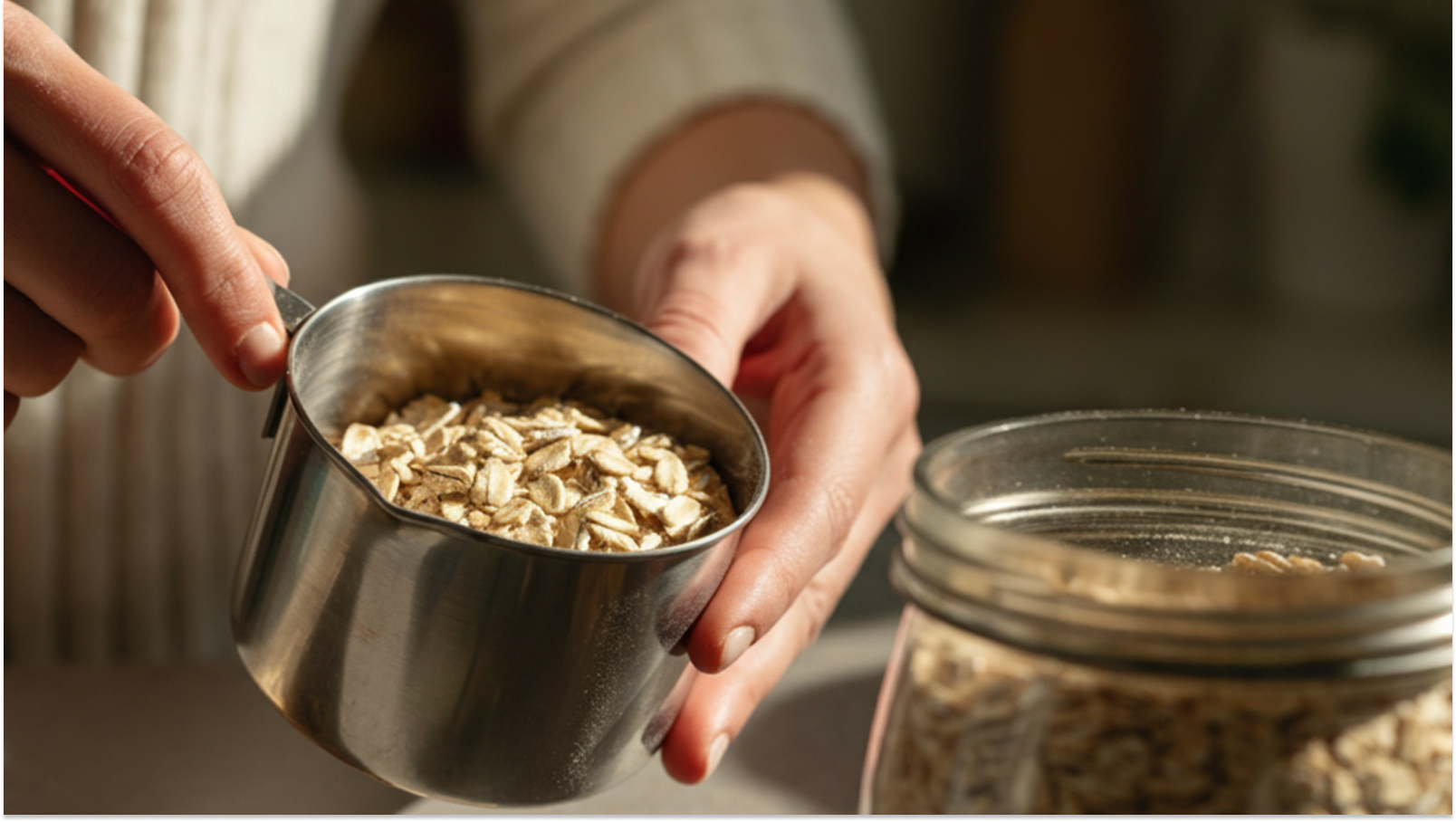
- Whole grains: Barley, brown rice, wild rice, quinoa, wheat bran, whole-wheat flour, whole-wheat bread, and whole-wheat pasta are all great substitutes for foods made with white flour.
- Fruits and veggies: Fresh, frozen, dried or canned broccoli, avocado, raspberries, figs, strawberries, squash, and mushrooms are high in fiber content.
- Legumes: Black beans, split peas, and lentils are rich in both fiber and protein.
- Nuts and seeds: Flax seeds, almonds, peanuts, and sunflower seeds for snacks or toppings.
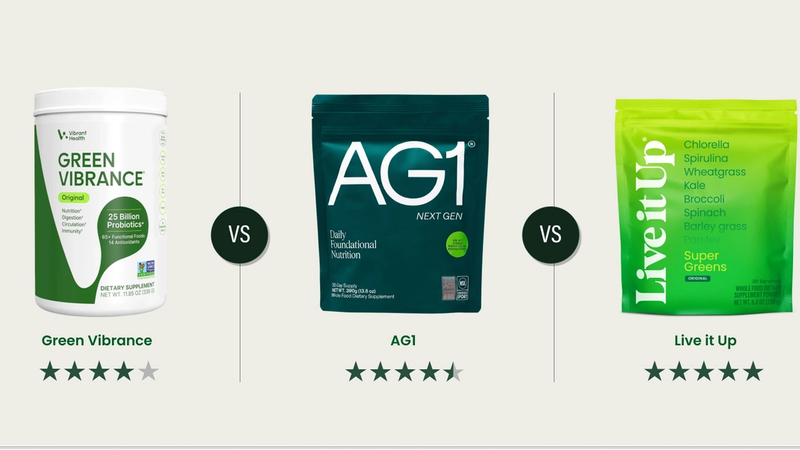
- Greens powders: Certain greens supplements, including Live it Up Super Greens, are a great way to supplement your fiber intake with small amounts of fiber.
Refined or processed foods tend not to contain much fiber. This includes refined grains and even fruit with the skin or pulp removed.
Eating a high-fiber diet can be fun and simple. When it comes to how much fiber to consume, I advise taking it slowly at first. Try new foods in small portions, and not at every meal. As your body adjusts, you can eat more. Talk to your healthcare provider for recommendations. Here are a few ways to add fiber to your meals:
- Cook soups or stir-fries that incorporate whole-grain rice or noodles as well as different veggies.
- Top dishes such as salads with beans, nuts, seeds, or a sprinkle of greens powder.
- Choose a high-fiber breakfast cereal made with real whole grains and top it with fruit.
- Switch your favorite sandwich bread to a whole-grain option.
- Make a hearty bean salsa and use it as a dip for whole-grain tortilla chips or veggies.
- Reach for fruit, whole-grain crackers, or a handful of nuts when you need a quick snack.
Add to Your Dietary Fiber Intake With Live it Up Super Greens

Eating a nutritious, balanced diet with fiber-rich foods is the best way to support your fiber intake. If you're in need of a convenient way to help you work toward that goal, I recommend Live it Up Super Greens. It contains a blend of potent superfoods and organic vegetables and provides 3 grams (11% DV) of natural dietary fiber per serving. While this isn't even close to all the fiber you need in a day, it's a good way to supplement an otherwise balanced diet, especially when you're on the go.
Live it Up is also low in carbs with no added sugar and contains more than 20 other vitamins and nutrients important for a balanced diet. I particularly like its probiotics and digestive enzyme complex, which support a healthy gut and may help make the transition to eating more fiber easier on your body.
Fiber Benefits FAQs
What foods are highest in fiber?
The fiber content of any given food will depend on the serving size and the amount you eat. Some of the most fiber-rich foods include beans, artichokes, peas, whole grains such as oatmeal or bran cereals, berries, unpeeled apples and pears, chia seeds, flax seeds, and nuts.
Does fiber help belly fat?
Fiber does not directly help with belly fat, but increased fiber intake in conjunction with healthy eating and exercise can have other effects that may support weight loss goals. One of the important health benefits of a fiber-rich diet is that high-fiber foods tend to keep you fuller longer. This can help you feel more satisfied with fewer calories per meal. Additionally, fiber feeds and supports a healthy gut microbiome, which in turn supports your body's overall health.
Is it good to take fiber every day?
Yes, it is good to take fiber every day. Fiber should be a part of your healthy diet, and the majority of fiber you consume should come from whole foods, such as grains, vegetables, and legumes.
Why is fiber important in digestion?
Fiber is important for the digestive system because it can act as food for the beneficial bacteria living in your gut. When their levels are healthy and balanced, these bacteria can help with gut inflammation and produce nutrients.
Certain fiber types can also make it easier to pass bowel movements. Insoluble fiber increases stool weight and size while softening it so it's easier and more comfortable to pass. This also helps with constipation.
Does fiber really cancel out carbs?
No, fiber does not cancel out carbs. Fiber is actually a type of carbohydrate, but the human body can't digest it and turn it into glucose in the same way it does with other carbohydrates.
If you're counting carbs, this means that carbs from fiber can be subtracted from your total carb intake. While the body doesn't break down carbs, beneficial bacteria in your gut feed on it and can digest it to provide nutrients and other possible benefits.
Does fiber remove toxins?
No, fiber does not remove toxins from the boy. In fact, no food or supplement can do this, and you should be wary of products that claim to "detox" or "cleanse" your body in any way. Your body has a natural detoxification process that it performs via the liver and kidneys without the aid of outside substances. However, certain nutrients can support the liver's metabolic processes, and the fiber inulin is one.
- https://wicworks.fns.usda.gov/resources/eye-nutrition-fiber
- https://www.needhamgastro.com/articles/how-does-fiber-help-hemorrhoids
- https://www.mayoclinic.org/healthy-lifestyle/nutrition-and-healthy-eating/in-depth/fiber/art-20043983
- https://www.healthline.com/nutrition/why-is-fiber-good-for-you
- https://www.uclahealth.org/news/article/want-to-boost-immunity-look-to-the-gut
- https://pmc.ncbi.nlm.nih.gov/articles/PMC8719029/
- https://www.medicalnewstoday.com/articles/gut-brain-connection
- https://medschool.uci.edu/news/understanding-how-fiber-improves-metabolic-health
- https://pmc.ncbi.nlm.nih.gov/articles/PMC4526841/
- https://www.sciencedirect.com/science/article/pii/S1756464622004376#s0045
- https://www.healthline.com/health/ibs/irritable-bowel-syndrome-high-fiber-diet
- https://www.mayoclinic.org/diseases-conditions/intestinal-obstruction/symptoms-causes/syc-20351460
- https://www.nccih.nih.gov/health/detoxes-and-cleanses-what-you-need-to-know
- https://www.dietaryguidelines.gov/sites/default/files/2021-03/Dietary_Guidelines_for_Americans-2020-2025.pdf
- https://wicworks.fns.usda.gov/resources/eye-nutrition-fiber
- https://www.needhamgastro.com/articles/how-does-fiber-help-hemorrhoids
- https://www.mayoclinic.org/healthy-lifestyle/nutrition-and-healthy-eating/in-depth/fiber/art-20043983
- https://www.healthline.com/nutrition/why-is-fiber-good-for-you
- https://www.uclahealth.org/news/article/want-to-boost-immunity-look-to-the-gut
- https://pmc.ncbi.nlm.nih.gov/articles/PMC8719029/
- https://www.medicalnewstoday.com/articles/gut-brain-connection
- https://medschool.uci.edu/news/understanding-how-fiber-improves-metabolic-health
- https://pmc.ncbi.nlm.nih.gov/articles/PMC4526841/
- https://www.sciencedirect.com/science/article/pii/S1756464622004376#s0045
- https://www.healthline.com/health/ibs/irritable-bowel-syndrome-high-fiber-diet
- https://www.mayoclinic.org/diseases-conditions/intestinal-obstruction/symptoms-causes/syc-20351460
- https://www.nccih.nih.gov/health/detoxes-and-cleanses-what-you-need-to-know
- https://www.dietaryguidelines.gov/sites/default/files/2021-03/Dietary_Guidelines_for_Americans-2020-2025.pdf