As a registered dietitian, I love sharing the surprising uses and health benefits of common foods with my clients. Cinnamon is one of these unassuming pantry staples that is packed with numerous potential health benefits. For centuries, this spice has been used around the world for its lightly spicy flavor in various dishes and in traditional herbal medicine.
Packed with antioxidants, vitamins,, and minerals, cinnamon extracts can contribute to many areas of our well-being. In this article, I’ll walk you through science-baked ways cinnamon could affect your health. Plus, I’ll share some of my favorite ways to add cinnamon to your diet, from adding a dash of cinnamon to desserts and stews, to enjoying it in a warm cup of Live it Up Golden Hour.
Potential cinnamon benefits at a glance:
- Supports a healthy immune system
- May help with digestion
- May help with inflammation
- Supports eye health
- Offers antioxidants to fight cell damage
- May support cognition
What Is Cinnamon?
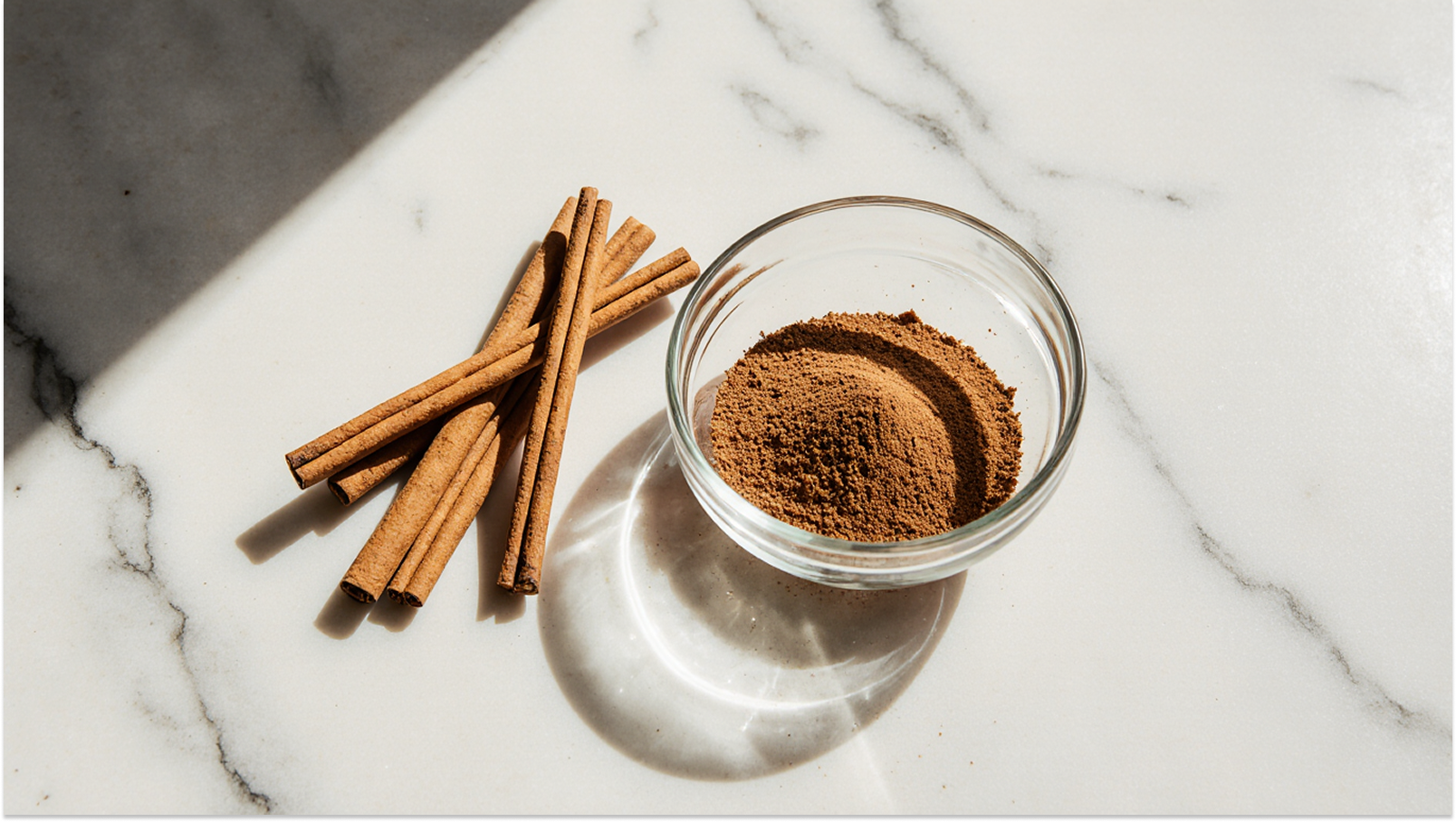
Popular in kitchens around the world, cinnamon is a spice known for its slightly spicy, warming flavor and aroma. Cinnamon comes from the dried bark of Cinnamomum trees and is widely used as dried cinnamon sticks or as a ground powder.
There are two widely used cinnamon varieties:
- Ceylon cinnamon, or “true cinnamon” comes from Cinnamomum verum trees and is commonly grown in Sri Lanka and southern India
- Cassia cinnamon, also called “Chinese cinnamon,” comes from the Cinnamomum cassia tree in Southern Asia—this variety is most commonly sold in North America
Prior to appearing on supermarket shelves, cinnamon was used in Chinese herbal medicine and other traditional medicine practices for its potential effects on the body. Today, this spice is less popular in the health and wellness space than turmeric and ginger, but it still deserves just as much attention for its amazing potential benefits.
It's important to note that most research on cinnamon powder and its health impact is done on Ceylon cinnamon (or true cinnamon), which is less common in the United States than cassia cinnamon. Although this is not a dealbreaker, it is important to know that more research is generally needed on this well-loved spice.
Cinnamon Nutrition Facts
One tablespoon of ground cinnamon powder has:
- Calories: 17.75
- Sugars: 0.15g
- Carbohydrates: 5.43g
- Fiber: 3.69g
- Vitamin A: 19.04 IU
- Vitamin K: 2.12mcg
- Calcium: 83.5mg
- Iron: 2.59mg
- Magnesium: 3.81
- Potassium: 34mg
Potential Benefits of Cinnamon from a Dietitian
Cinnamon is more than just delicious—it offers numerous potential health benefits. Let’s dive in.
1. Supports a Healthy Immune System
Thanks to compounds that provide support for inflammation, cinnamon aids immunity. Cinnamaldehyde is a natural compound in cinnamon that gives this spice its distinctive taste and flavor. According to research, cinnamaldehyde was shown specficially to help with staphylococcus, E. coli, salmonella, and candida. Based on this research, cassia and ceylon cinnamon supplements may support your body's immune defense abilities.
Additionally, cinnamon is high in vitamin A, which adds to its potential for immune support. Studies show that vitamin A is essential for the formation of immune cells, so seeking food sources rich in this nutrient is an amazing way to support the body's natural defenses.
2. May Help with Digestion
For centuries, cinnamon has been used to aid digestive upset, and for good reason. A 2021 study suggested that cinnamon supplementation may help occasional upset stomach like indigestion, bloating, and diarrhea.
The active compounds in cinnamon that help with inflammation may also soothe the digestive tract. Additionally, thanks to the compounds that naturally occur in this spice, cinnamon may promotes the growth of healthy gut bacteria. When combined, cinnamon supplements may equip your body with the elements for healthy digestion.


Dietitian Tip

Inflammation in the gut can be caused by a lack of healthy gut bacteria. To support a healthy gut microbiome, try incorporating probiotics and probiotic-rich foods into your diet, plus prebiotics and dietary fiber.
3. May Help with Inflammation
Research suggests that cinnamon supplements may help with inflammation thanks to the compounds E-cinnamaldehyde and o-methoxycinnamaldehyde. These compounds may help inflammation throughout the body, making cinnamon an excellent way to support your natural defenses. Studies show that both cinnamon powder and cinnamon extract offer the same inflammation-targeting compounds.
4. Supports Eye Health
Thanks to being filled with antioxidants and compounds that help with inflammation, cinnamon may offer support for your eyes by helping with retinal damage caused by oxidative stress and inflammation. This popular spice is also a significant source of vitamin A, which is an essential vitamin for creating rhodopsin in the retina (a compound allowing for low light vision). Vitamin A also protects against dry eyes and overall eye health.
5. Offers Antioxidants to Fight Cell Damage
Compared to other foods and spices, cinnamon ranks among the highest for its antioxidant content, making it an excellent addition to your diet for overall health. Antioxidants work to repair damage caused by free radicals and oxidative stress, making them essential for repairing cells throughout the body. In addition, cinnamon’s antioxidants help support all areas of health from supporting brain function to helping with the appearance of the skin, slowing the aging process, and possibly aiding other health issues.
6. May Support Cognition
Studies suggest that cinnamon may offer support for cognitive health thanks to its antioxidants, compounds for inflammation, and components like eugenol, cinnamaldehyde, and cinnamic acid. In a 2024 study, results showed that cinnamon may support memory and learning among memory care patients. Although a similar clinical study had inconclusive results, more studies are needed to determine the true value of this nutrient-rich spice.
Possible Side Effects of Cinnamon
Cassia cinnamon and ceylon cinnamon are both generally safe, especially since this spice is often consumed in small amounts. However, there are some potential risks to be aware of ahead of time, especially if you plan on dramatically increasing your intake of this spice through cinnamon supplements or cinnamon extracts.
Possible side effects of cinnamon include:
- Irritation of the gastrointestinal tract: If taken in larger quantities than what’s typically used in cooking, cinnamon’s compounds may cause GI tract irritation, including digestive upset, nausea, bloating, and other signs of discomfort.
- Allergic reactions: Although rare, allergic reactions may include swelling or hives. If applied topically to the skin, such as cinnamon oil, allergic reactions may include itchiness, swelling, rashes, or dryness.
- Liver damage or irritation: If taking cassia cinnamon, know that this variety is high in coumarin, a bioavailable chemical that can harm the liver if consumed in large quantities.
- Interactions with medications: If taking any medication regularly or in the short-term, consult with your doctor to avoid possible interactions.
How to Use Cinnamon
Cinnamon is safe for most people when consumed as a flavoring agent or a spice. Often, these amounts are minuscule, but for those looking to up their cinnamon intake, aim for ½ to 1 tsp of the spice per day.
Of course, there is no set cinnamon dose, so if you go above this intake slightly, you'll likely be okay. However, know that consuming too much cinnamon can put you at higher risk of the negative effects of cinnamon. Alternatively, opt for cinnamon supplements and follow the manufacturer's recommended dose.
Perhaps one of the best effects of cinnamon is the spicy, warming flavor it imparts. Here are some of the best ways to add this spice to your diet:
- Add ½ to 1 teaspoon to pancake batter, cakes, cookies, homemade granola, and other baked goods.
- Make a curry filled with warming spices like cinnamon, turmeric, and ginger root.
- When roasting veggies, add a dash of cinnamon, salt, and drizzle of olive oil to the vegetables before roasting for a deep, warming flavor.
- Deepen the flavor of stews, soups, and chilis with a pinch of ground cinnamon.
- Enjoy in a cup of cinnamon tea—purchase cinnamon tea bags at your grocery store, or add one cinnamon stick to hot water.
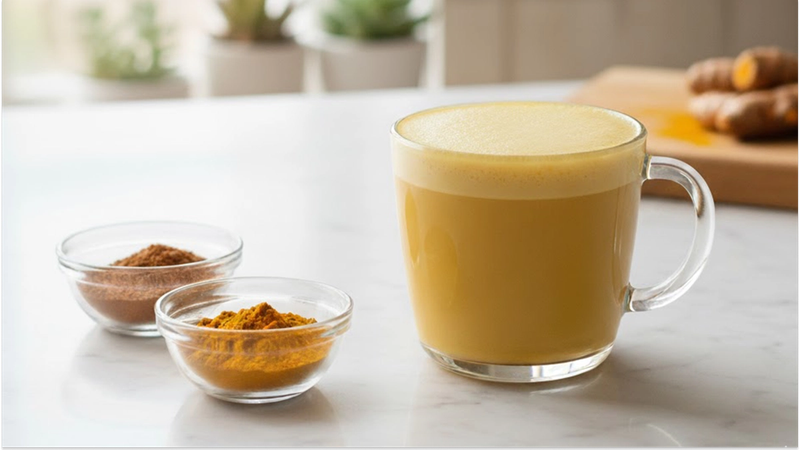
- Sip on golden milk before bed to calm your body—make your own golden milk powder or buy a pre-mixed bag.
- Add a dash of cinnamon to a morning smoothie filled with your favorite fruits and veggies.
- Add a pinch to a homemade simple syrup for your morning coffee.
- Stir hot chocolate or apple cider with a cinnamon stick to infuse with added flavor.
- When making quinoa, rice, or other grains, add a cinnamon stick to the pot when cooking; remove before serving.
- Try cinnamon supplements.
Dietitian Tip
You’re more likely to notice the potential health effects of superfoods if you consume them regularly as part of a balanced diet. Try finding a few dishes, drinks, or supplements you love and can commit to having every week in order to support your long-term health!
Consider Trying Live it Up Golden Hour
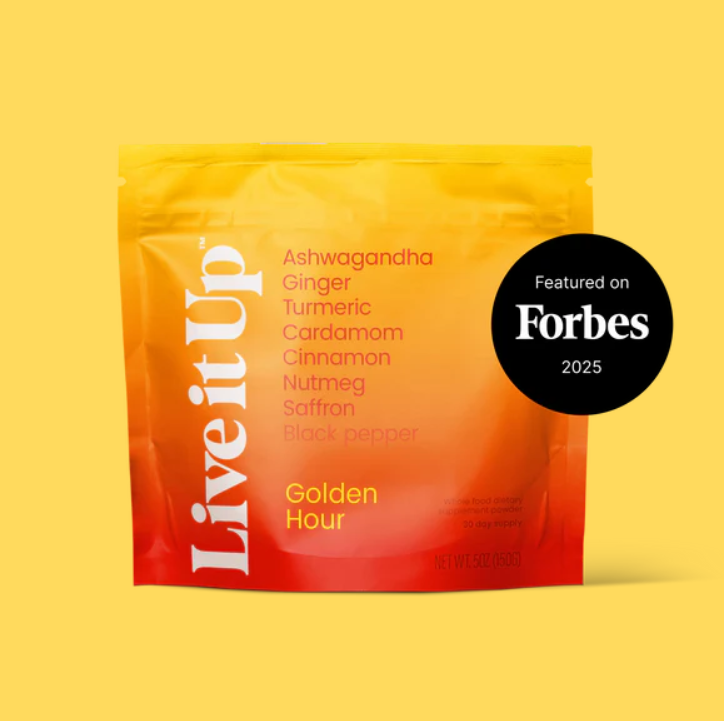
Cinnamon is just one of many spices that are beneficial for your health and well-being. Since keeping track of each one can be hard, Live it Up Golden Hour makes it easy to incorporate a small amount of cinnamon and other potent superfoods into your daily diet.
Featuring turmeric, ashwagandha, ginger, cardamom, nutmeg, saffron, and cinnamon, this golden milk mix is a delicious way to drink nutrient-rich spices. Turmeric and ashwagandha, in particular, offer antioxidant properties and compounds to help with inflammation and sleep quality, making these spices an excellent complement to the potential health benefits of cinnamon.
Aside from the nutrient-rich ingredients in Golden Hour, one of my favorite things about it is the price—often, my clients worry that health requires numerous expensive supplements. But, at $1.33 per serving, Golden Hour is an affordable, accessible way to support your body’s relaxation, rest, and everyday wellness. I highly encourage anyone seeking more balance in their routine to give Live it Up Golden Hour a try!
Cinnamon Benefit FAQs
There is a lot to know about cinnamon’s health benefits! Find the answers to frequently asked questions below.
What are the benefits of cinnamon?
Thanks to its rich antioxidant properties, cinnamon may help inflammation, provide immune support, support eye health, support cognition and memory, promote healthy digestion, and support overall wellness.
What cannot be mixed with cinnamon?
For the most part, cinnamon is safe to mix with most food products and spices. However, if taking high doses of cinnamon as a supplement, check with your doctor beforehand since cinnamon can have negative interactions with certain medications.
What does cinnamon taste like?
Cinnamon has a warm, slightly spicy, and lightly sweet flavor. Depending on the quality and type you buy, some varieties may have woody, floral, or citrus undertones.
What is the best way to take cinnamon daily?
Cinnamon is easy to take regularly if incorporated into foods and drinks. You can add cinnamon powder to baked goods, desserts, oatmeal, and granola, or add it to savory dishes for added warmth and depth of flavor. Or, opt for a golden milk mix that features cinnamon in addition to turmeric and ginger. Some people looking for higher doses may consider cinnamon supplements. However, it is important to consult your health provider before adding cinnamon supplementation to your routine.
What are the pros and cons of cinnamon powder?
Generally, there are more pros to cinnamon than cons. Pros of cinnamon include:
- An array of vitamins and minerals like vitamin A, K, calcium, and magnesium.
- A high quantity of antioxidants and compounds to help with inflammation
- Warming, slightly spicy flavor that lends depth to drinks and other dishes
- Support for immunity, eye health, cognition, and overall health
Possible cons of cinnamon include:
- Potential interactions with medications, especially if consuming cinnamon in large quantities
- Flavor may not be to your personal preference
- Extreme consumption of cinnamon may cause stomach irritation, allergic reactions, or liver damage in certain individuals. Be sure to talk with your doctor about how much is right for you.
This article is for informational purposes only and is not medical advice or individualized nutrition counseling. Please consult a qualified healthcare provider before making changes to supplements or medications. Any product or brand mentions are for general information and don’t guarantee results.
- https://www.nccih.nih.gov/health/cinnamon
- https://www.urmc.rochester.edu/encyclopedia/content?contenttypeid=76&contentid=02010-1
- https://www.sciencedirect.com/science/article/abs/pii/S1756464618304353
- https://pmc.ncbi.nlm.nih.gov/articles/PMC3943007/
- https://pmc.ncbi.nlm.nih.gov/articles/PMC8137295/
- https://pubmed.ncbi.nlm.nih.gov/25629927/
- https://pubmed.ncbi.nlm.nih.gov/30379176/
- https://pmc.ncbi.nlm.nih.gov/articles/PMC11590939/
- https://visionscienceacademy.org/spice-for-eyes-a-flavourful-approach-to-eye-health/
- https://medlineplus.gov/ency/imagepages/18096.htm
- https://www.webmd.com/diet/supplement-guide-cinnamon
- https://pmc.ncbi.nlm.nih.gov/articles/PMC5745491/
- https://pubmed.ncbi.nlm.nih.gov/36652384/
- https://pubmed.ncbi.nlm.nih.gov/29258915/
- https://www.nccih.nih.gov/health/cinnamon
- https://www.urmc.rochester.edu/encyclopedia/content?contenttypeid=76&contentid=02010-1
- https://www.sciencedirect.com/science/article/abs/pii/S1756464618304353
- https://pmc.ncbi.nlm.nih.gov/articles/PMC3943007/
- https://pmc.ncbi.nlm.nih.gov/articles/PMC8137295/
- https://pubmed.ncbi.nlm.nih.gov/25629927/
- https://pubmed.ncbi.nlm.nih.gov/30379176/
- https://pmc.ncbi.nlm.nih.gov/articles/PMC11590939/
- https://visionscienceacademy.org/spice-for-eyes-a-flavourful-approach-to-eye-health/
- https://medlineplus.gov/ency/imagepages/18096.htm
- https://www.webmd.com/diet/supplement-guide-cinnamon
- https://pmc.ncbi.nlm.nih.gov/articles/PMC5745491/
- https://pubmed.ncbi.nlm.nih.gov/36652384/
- https://pubmed.ncbi.nlm.nih.gov/29258915/