We all want to lead a healthy life that energizes and empowers us, but getting all the nutrients we need in a day through fruits and veggies alone isn't always possible. Between a greens powder vs. multivitamin, what’s better to help bridge this gap?
Both multivitamin supplements and greens powders have the potential to help you get more nutrients. This is critical, because getting the right amount of essential vitamins means supporting our immune system, enhancing our energy, and promoting overall health.
With my background in nutrition, I analyzed both supplement options, breaking down what to look for depending on your specific wellness needs so you can make the right choice for you. And while there are pros and cons to each, find out why greens powders stand out to me as the most supportive supplement.
Greens Powder vs. Multivitamin at a Glance
Greens Powder | Vitamin & Mineral Supplement | |
|---|---|---|
Bioavailability | Most nutrients and antioxidants derived naturally from whole foods are more bioavailable than those in supplement form. | Because these are the synthetic forms, some micronutrients in supplements may not be absorbed well. |
Additives | A quality greens powder will not contain additives, sugars, or artificial flavors and colors. | Most micronutrient supplements contain fillers and food additives to keep their shape and stability. Gummy vitamins may also have added sugars and colors. |
Superfood Content | Most contain plants and superfoods that provide naturally-derived antioxidants, fiber, and micronutrients. | Most don’t contain plants. If they do, they’re usually in small doses. |
Potential for taking more than recommended | A greens powder that has naturally-derived vitamins and minerals has a low risk for taking in too much, as opposed to greens with high-dose added vitamins. | Some micronutrient supplements contain hundreds of percentages more than recommended. |
Why greens powder wins. As a dietitian, I believe that the right greens powder can be a better option than a multivitamin. This is because they consist of only natural compounds—especially brands like Live it Up Super Greens that are made with organic vegetables and no filler additives—and they provide more health-benefiting components, such as plants, antioxidants, and fiber.
What Are Greens Powders?
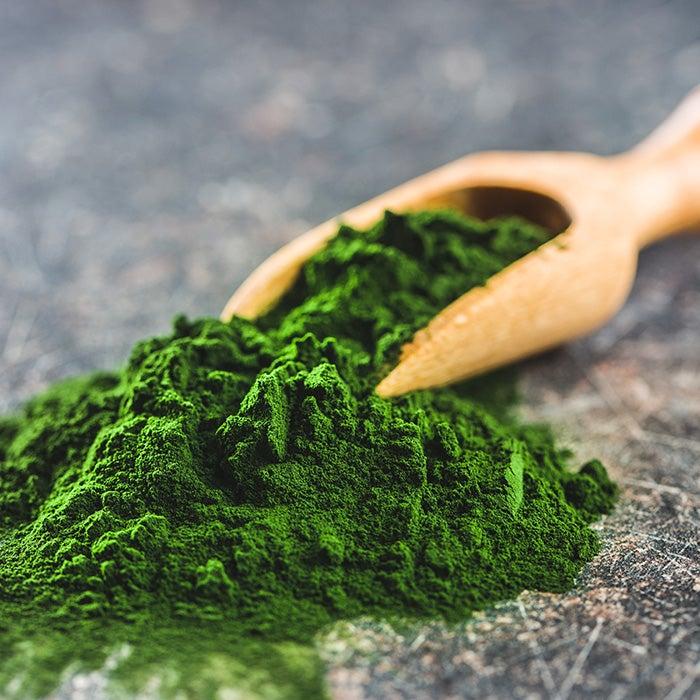
Greens supplements are whole plant foods, such as leafy greens, vegetables, adaptogens, fruits, herbs, and roots, that are dehydrated and ground into a powdered form. They provide an easy way to get more plants, which are vital for a healthy diet and lifestyle. Common high-nutrient ingredients in greens powders include organic spirulina, barley grass, nopal cactus, and wheatgrass.
Many brands recommend adding greens to your morning routine by mixing with your beverage of choice or a smoothie, helping to elevate your nutrition and start your day with intention to health.
It’s important to note that a greens powder should not replace fresh produce and other plants in your diet, but rather be used as a way to boost your veggie and antioxidant intake.
Greens Powder Pros and Cons
- Made with whole fruits, vegetables, and green superfoods for added nutrition
- Supports energy production
- Promotes digestive health with beneficial bacteria and digestive enzymes
- Micronutrients can aid your immune system
- Easily mixed into a delicious drink
- No artificial sweeteners, added sugar, fillers, additives, or synthetic vitamins in many products
- Many products like Super Greens are GMP-certified and third-party tested for quality standards
- Might not provide all the nutritional needs of everyone
- Not appropriate for significant, specific nutrient deficiency correction
- Some have a grassy, earthy, or off-putting taste
- Some have added lab-made vitamins and minerals in very high doses
What Are the Health Benefits of Greens Powders?
Although the formulas and purported benefits can vary greatly by brand, here are some potential advantages many powders offer:
- Promote a more balanced diet. Many greens powders can support overall health by providing essential vitamins and minerals, antioxidants, and gut-benefiting compounds. However this all depends on the ingredients (and corresponding doses) within the powdered greens you purchase.
- They are made of whole foods. Greens powders are packed with dried greens, roots, and herbs, offering nutrients the way nature intended.
- They offer hard-to-find nutrients. Greens supplements often contain plants that we normally wouldn’t be eating, such as kelp, nopal cactus, chlorella, and nutritional grasses, giving you antioxidants, micronutrients, and phytocompounds that are otherwise difficult to get.
- They may positively impact your health. These plants and their essential nutrients may also aid digestion, immune support, healthy aging, inflammation, and normal energy levels.
What Are Multivitamin Supplements and What Are They Made Of?
There are 13 vitamins and 15 minerals essential for optimal health. While a balanced diet may help us get most of these, a multivitamin or mineral supplement can provide those that we may not be getting enough of.
Multivitamin supplements take the form of pills, gummies, liquids, or powders that add vitamins and minerals to your diet. Multivitamins don't replace full meals. They're similar to greens powder because neither can fully replace whole foods and beverages, but rather aid in bridging gaps in the diet.
The main difference between green supplements and multivitamin and mineral supplements is in the ingredients and construction:
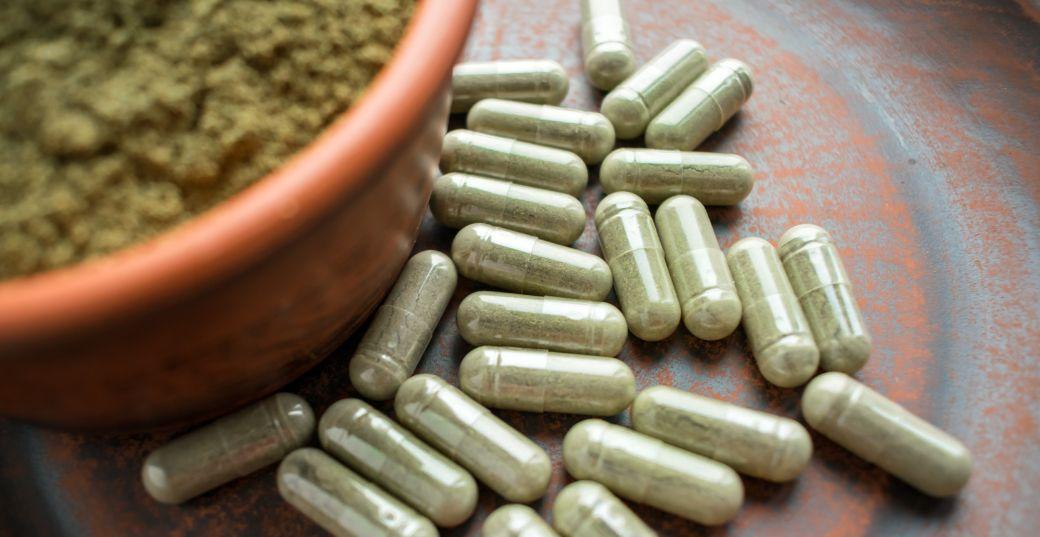
- Powdered greens typically consist of natural, whole-food plants, dried and ground into powder, which then contains the vitamins and minerals naturally found in the plants.
- Multivitamins are comprised of only the vitamins and minerals themselves. These may be “natural” in that they are extracted from plants, or synthetically made in a lab.
Multivitamins can offer an extensive list of vitamins and minerals, such as calcium, iodine, iron, and zinc, and vitamins A, B, C, D, E, and K. However, there is some debate on whether some lab-made vitamins and minerals may work the same way in the body as their naturally derived originals.
Another potential concern is taking too many vitamins or minerals. It's best to consult your physician or a registered dietitian nutritionist before integrating high doses and to always follow the recommended dosing instructions.


Did You Know?

Unlike water-soluble vitamins, fat-soluble vitamins, such as vitamin A, vitamin D, vitamin E, and vitamin K, are stored within our fat and liver. This means if we take in too much over a long period of time, the excess may build up in the body.
Multivitamin Pros and Cons
- Help address specific nutrient needs
- Provide essential vitamins and minerals that may be lacking in your diet
- Easy to consume as pills, liquids, or gummies
- Specific types based on need: prenatal, for men, for women, etc.
- Many products are USP-verified and third-party tested for quality standards
- Some synthetic vitamins may not be as beneficial as whole-food nutrients
- Potential for consuming over the recommended daily amount
- Gummy and liquid micronutrients may be more unstable
- Many contain additives and fillers (gummy vitamins often contain added sugar)
What Are the Benefits of Multivitamins?
While well-balanced and healthy food patterns should always be the primary source of nutrients, taking a multivitamin nutritional supplement can help provide micronutrients we may not be getting enough of.
This is especially true for people following diets that may not provide enough of certain nutrients, such as vegetarianism or a very low-calorie diet. Or for those who are at higher risk for nutrient inadequacies, such as pregnant women, older adults, or people with nutrient absorption issues.
While taking individual vitamins and minerals for at-risk groups is important, studies are contradictory on a multivitamin’s true benefits, and there are some cases of potential harm depending on the dose. Benefits may include:
- Normal immune function
- Brain and eye health
- Energy maintenance
- Skin health
- Muscle performance
The specific benefits will vary depending on the ingredients in the multivitamin and the individual taking the supplement. It’s best to consult a qualified healthcare professional to determine if a multivitamin supplement is right for you.
What’s Better, Greens Powders or Multivitamins?
While everyone’s needs are individual and may require a unique approach, if you’re looking for everyday health support and nutritional benefits, then a greens powder may be the best choice. With that said, there are many instances when individual vitamin supplements may be the required choice.
Here are key considerations when opting for a greens powder or multivitamin.
Similar Benefits
Super greens powders’ and vitamin supplements’ similarities include:
- Help fill superfood gaps in a diet
- May help support a healthy immune system and energy production
- Easy to consume
Potential for Additives
While some super greens powders may include additives such as silicon dioxide and guar gum or xanthan gum, many high-quality greens do not.
Contrast that with multivitamin dietary supplements. Binding these micronutrients together in a capsule or tablet requires additional ingredients, such as cellulose gel, gellan gum, silica, modified food starch, and maltodextrin. Gummy vitamins require quite a few ingredients to hold their shape, not to mention sugar or artificial sweeteners to help with flavor.
Where Vitamin Supplements Excel
Because these dietary supplements can be concentrated sources of specific nutrients, these are excellent for helping to meet precise vitamin or mineral needs, as directed by a healthcare professional.
Times when an individual or multi- vitamin or mineral supplement would be valuable:
- Vegan or vegetarian diets
- Low calorie or very restrictive diets
- Pregnancy
- Older adults
- People with malabsorptive issues or specific disease
Where Greens Powders Excel
Super greens powders are more geared toward everyday, overall wellness. From my perspective as a dietitian, the right greens powder provides our body with so many more benefits, including:
- Naturally-derived antioxidants and micronutrients
- Fiber
- Gut-benefiting ingredients, such as probiotics and digestive enzymes
It’s difficult to find a singular multivitamin supplement that provides the same level of all-around support.
Why Try Live it Up Super Greens?
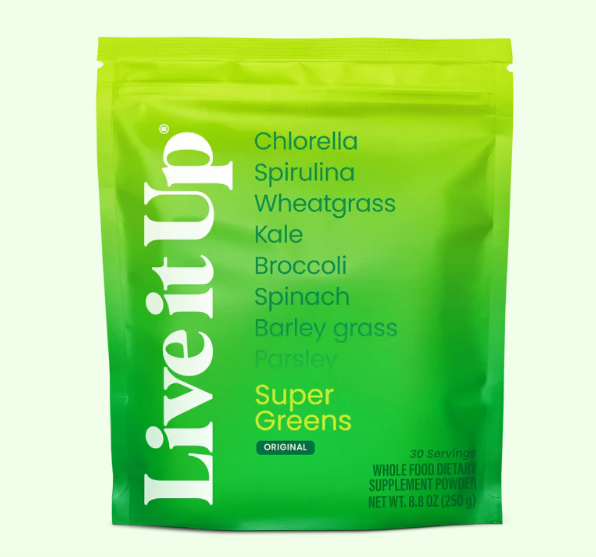
If your focus is on everyday health and wellness, then I highly recommend Live it Up Super Greens over a multivitamin. With no fillers, nothing artificial, and no added sugar, it’s a great choice to add to your daily health routine.
It includes over vitamins and minerals naturally derived from the plants included in the formula, none of which are lab-made.
But more than just a way to bridge our dietary gaps, Super Greens also supports gut health. With 5 billion CFU probiotics, 3 grams of fiber (including from prebiotic sources), and digestive enzymes, the formula is an excellent way to help give your gut the care and foundation it needs to work optimally.
As a dietitian, I understand that most antioxidants and micronutrients are utilized by the body best when they work synergistically with other plant-based nutrients. This is another reason why I support the use of a quality greens powder, such as Super Greens.
Your body is unique, as are your needs. Whether you choose a greens powder vs. multivitamin should be an individual choice. With that said, good nutrition from a diet rich in enough fruits, vegetables, and plants is essential to a balanced, nutrient-packed eating pattern, and greens powder or multivitamins should never replace these important foods.
FAQs About Greens Powders vs Multivitamins
Here are some common questions related to greens supplements and multivitamins.
Can you take both greens powder and multivitamins?
In short, you can, but there are some precautions to follow when taking green powders and certain vitamin and mineral supplements together. Taking both is only beneficial if the multivitamin focuses on particular nutrients the greens powder doesn't have. If they match, it may not be necessary to take both.
Consuming too many supplements may risk going over the recommended daily intake of vitamins or minerals. Also, note that taking too many supplements may result in stomach upset. Consult your doctor about the right doses for your health needs.
Are greens powders worth it?
Yes! While what's beneficial might be subjective for each individual, adding greens powders can help bridge plant gaps in your diet. Depending on the brand, the greens may also provide probiotics, digestive enzymes, adaptogens, and other nutritive plants and compounds.
Green supplements are a great way to enhance daily nutrition and antioxidant intake to help support overall wellness and supplement a healthy diet.
When choosing a green powder, look for one that is third-party tested and produced in a GMP-certified facility for quality, like Live it Up Super Greens. You may also consider one made with organic greens for a cleaner product.
Are greens powders better than multivitamins?
For those looking to enhance their overall wellness, green powders offer a more well-rounded choice than a multivitamin. This is because it contains more beneficial ingredients such as plants and superfoods, naturally derived micronutrients and antioxidants, and gut health-supporting probiotics fiber.
Multivitamins are a better choice if you need to correct specific nutrient inadequacies with a targeted individual supplement. They are also beneficial if you know which micronutrient you may be lacking due to your diet or health. Choosing a greens powder vs multivitamin should be done with your unique needs and dietary preferences in mind.
What is a multivitamin used for?
Multivitamins are often taken as “insurance” to help ensure someone is fulfilling all their nutritional needs for optimal health. They provide essential vitamins and minerals necessary for all bodily functions. However, many multivitamins contain amounts that are much higher than the Recommended Dietary Allowance (RDA).
Additionally, each supplement has its own array of vitamins and minerals to help differentiate it from other brands, but this can be confusing for consumers, as someone may think they’re getting what they need, but in fact, it might be missing some key nutrients.
When choosing a multivitamin, ensure that it is USP-certified for safety. And if you are looking to avoid banned substances, look for a supplement that is NSF Certified for Sport. It’s always important to consult with your healthcare professional to ensure the supplement you choose fits your individual needs.
- https://www.nature.com/articles/s41591-022-01970-5
- https://journals.asm.org/doi/10.1128/msystems.00031-18
- https://www.fda.gov/consumers/consumer-updates/fda-101-dietary-supplements
- https://www.nccih.nih.gov/health/using-dietary-supplements-wisely
- https://pubmed.ncbi.nlm.nih.gov/12936943/
- https://www.hilarispublisher.com/open-access/challenges-in-preserving-vitamin-stability-in-gummy-supplements-97609.html
- https://ods.od.nih.gov/factsheets/MVMS-HealthProfessional/
- https://www.healthline.com/nutrition/synthetic-vs-natural-nutrients
- https://www.nccih.nih.gov/health/vitamins-and-minerals
- https://pmc.ncbi.nlm.nih.gov/articles/PMC9710417/
- https://www.healthline.com/nutrition/do-multivitamins-work#ingredients
- https://www.ncbi.nlm.nih.gov/books/NBK216054/
- https://www.usp.org/verification-services/verified-mark